
 EN
EN
 ar
ar bg
bg hr
hr cs
cs da
da nl
nl fi
fi fr
fr de
de el
el hi
hi it
it ko
ko no
no pl
pl pt
pt ro
ro ru
ru es
es sv
sv tl
tl iw
iw id
id lv
lv lt
lt sr
sr sk
sk sl
sl uk
uk vi
vi et
et hu
hu th
th tr
tr fa
fa ms
ms hy
hy ka
ka ur
ur bn
bn mn
mn ta
ta kk
kk uz
uz ku
ku
Shielded Hydrological Cable
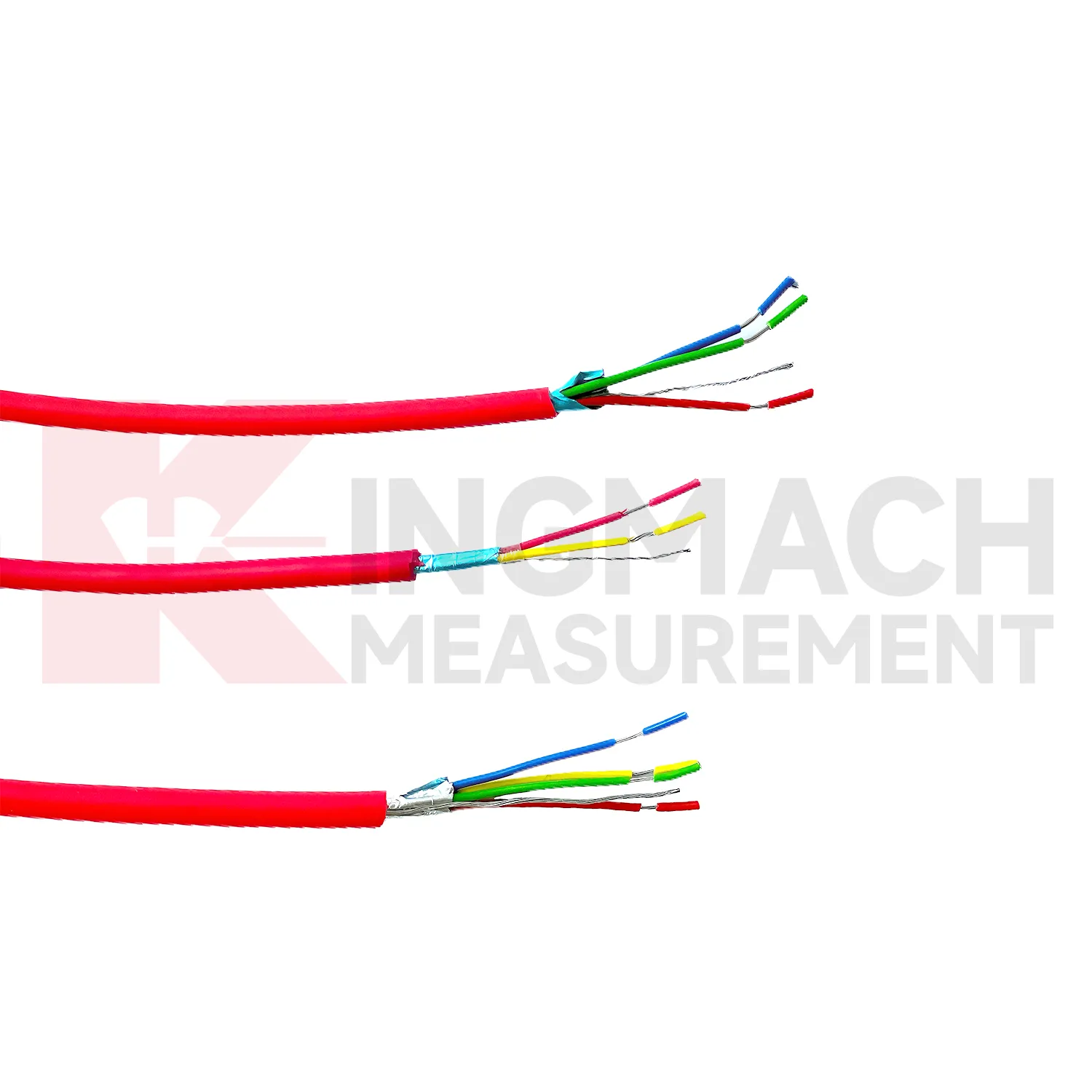
Model selection inside the Kingmach cable range starts with field exposure. If the project involves fine sensor signals around power equipment, temporary machines, or cabinet wiring, JMZX-XPX gives the route a shielded structure for cleaner transmission. If the path enters wet galleries, water-level areas, conduits with pulling stress, or other hydraulic sections, JMZX-XSX brings sealing, water resistance, and tensile strength into the design. This split helps engineers assign each cable by risk condition instead of using one generic wire across every part of the site.
Application of Shielded Hydrological Cable
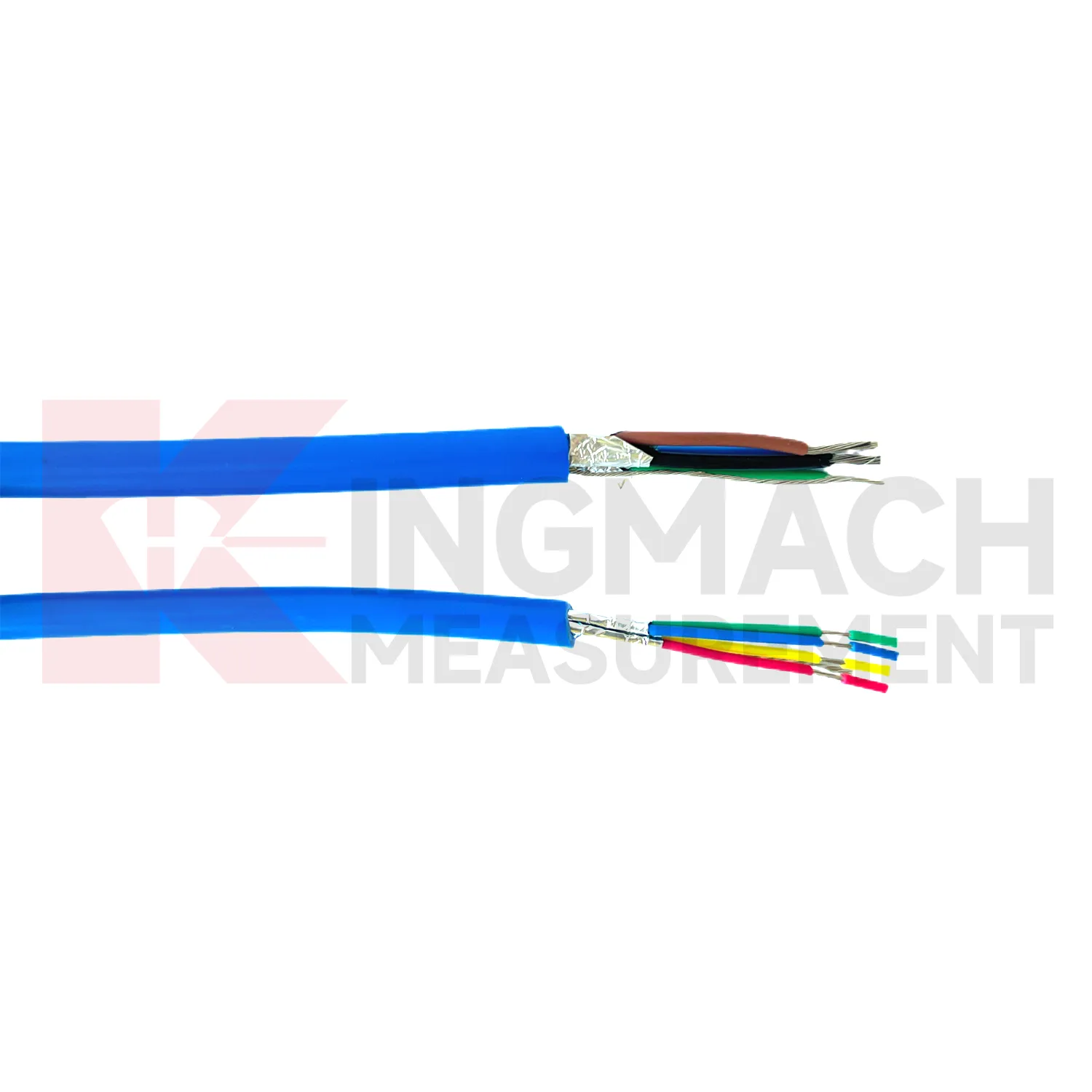
Dam and hydraulic engineering projects place special demands on Kingmach Shielded Hydrological Cable. Galleries, seepage areas, water-level points, and wet inspection routes require stronger sealing and water resistance than ordinary indoor wiring. JMZX-XSX is suited to these conditions because it uses multi-layer sealing and water-resistant insulation, with higher waterproof and tensile properties. It can support power or signal transmission where moisture, pressure, and cable pulling need attention. Careful termination and cabinet entry sealing are critical so water does not travel along the route into monitoring equipment.
The future of Shielded Hydrological Cable
As IoT monitoring grows, Kingmach Shielded Hydrological Cable will support denser sensor layouts and more cabinet connections. A site may place many instruments around one structure, with data moving through acquisition modules, DTUs, gateways, and cloud platforms. The cable route has to remain orderly so technicians can trace channels when the online system reports abnormal data. Multi-core options, cable markings, and consistent installation records will become more important as monitoring networks move from small projects to long-running asset programs.
Care & Maintenance of Shielded Hydrological Cable
For hydraulic JMZX-XSX cable, maintenance should focus on sealing, pulling stress, abrasion, and wet-route protection. Check sections that pass through galleries, conduits, water-level areas, drainage channels, or submerged zones. Look for sheath wear, tight bends, stretched sections, and water tracking toward junction boxes. When replacement is needed, document the old condition and the new first stable reading. This keeps future reviewers from mistaking a cable repair effect for a change in dam, water-level, or hydraulic structure behavior.
Kingmach Shielded Hydrological Cable
Kingmach Shielded Hydrological Cable should be treated as engineered components of the monitoring system. They connect physical instruments to data review, alarms, reports, and maintenance decisions. JMZX-XPX, with layered shielding for test use, supports accurate signal transmission in noisy or precise sensor applications. JMZX-XSX, with added waterproof and tensile properties, supports hydraulic engineering and humid field sections. Both product lines are available in two-core, three-core, four-core, six-core, seven-core, nine-core, and ten-core forms, with common delivery lengths of 2 m or 6 m depending on core count. Used with proper routing and documentation, they help keep structural monitoring data steady over long service periods.
FAQ
Q: What should be confirmed before placing an order?
A: Confirm project quantity, required core format, expected delivery length, packaging demand, payment terms, and receiving schedule.
Q: What minimum order quantity is shown?
A: The local product pages list a minimum order quantity of one piece.
Q: How is pricing handled?
A: Pricing is listed as negotiable, so the buyer should confirm quantity, model, packaging, and project delivery details with Kingmach.
Q: What delivery term appears in the local files?
A: Shipment is listed within 30 days after full payment receipt, subject to the order and project arrangement.
Q: What certifications are shown?
A: The product information lists ISO9001, ISO14001, and ISO45001 certification for Kingmach.
Reviews
James Thompson
The tiltmeters and accelerometers are very sensitive and provide precise data. Perfect for our structural health monitoring system.
Joshua Clark
We ordered a full monitoring solution including sensors and data loggers. Everything works seamlessly together. Great supplier!
Latest Inquiries
To protect the privacy of our buyers, only public service email domains like Gmail, Yahoo, and MSN will be displayed. Additionally, only a limited portion of the inquiry content will be shown.
Olivia***@gmail.comUnited States
Hello, we are currently sourcing high-precision strain gauges and load cells for a bridge monitoring...
Amelia***@gmail.comSingapore
Hello, I am looking for visualization software for monitoring system data analysis. Please let me kn...