
 EN
EN
 ar
ar bg
bg hr
hr cs
cs da
da nl
nl fi
fi fr
fr de
de el
el hi
hi it
it ko
ko no
no pl
pl pt
pt ro
ro ru
ru es
es sv
sv tl
tl iw
iw id
id lv
lv lt
lt sr
sr sk
sk sl
sl uk
uk vi
vi et
et hu
hu th
th tr
tr fa
fa ms
ms hy
hy ka
ka ur
ur bn
bn mn
mn ta
ta kk
kk uz
uz ku
ku
Vibrating Wire Signal Acquisition System
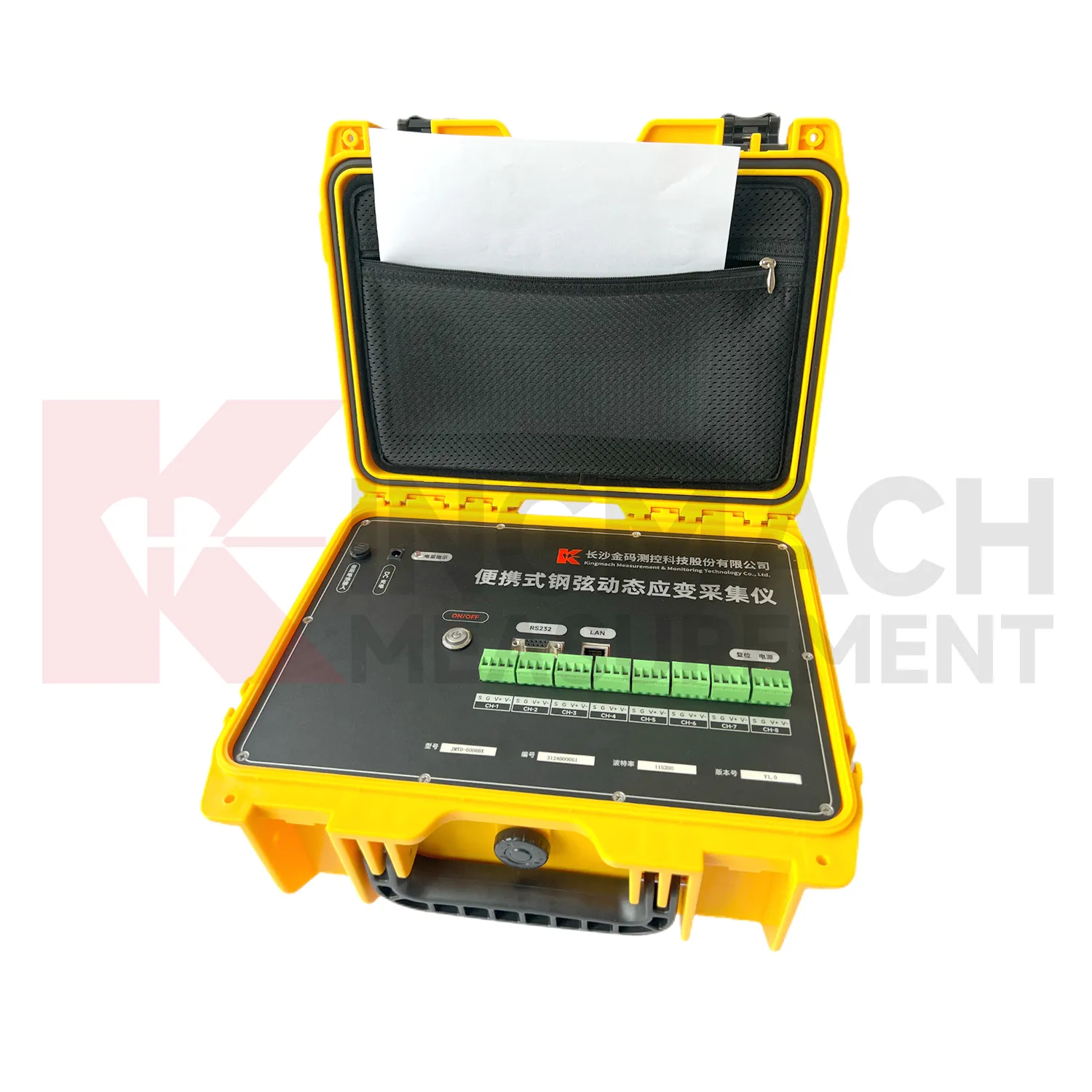
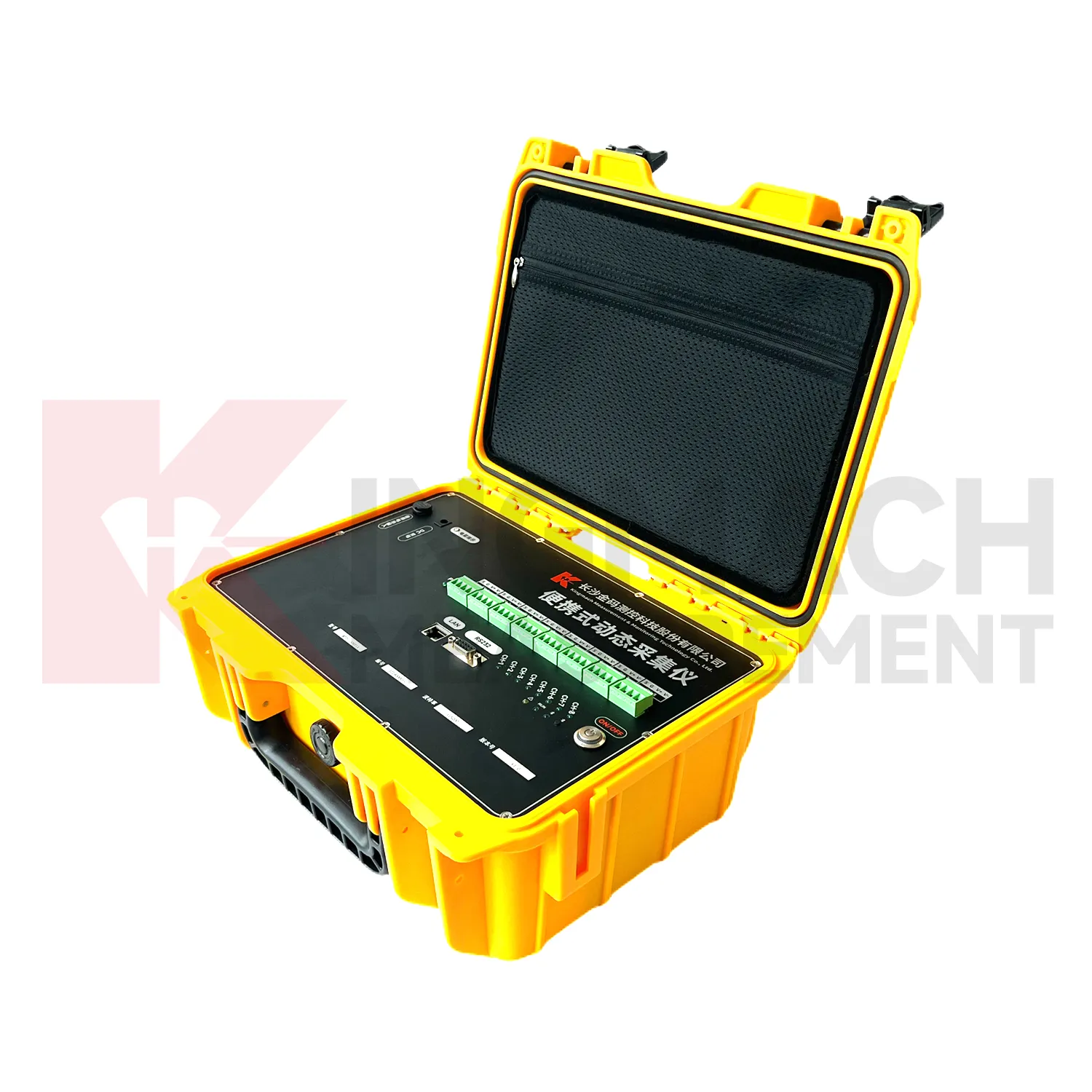
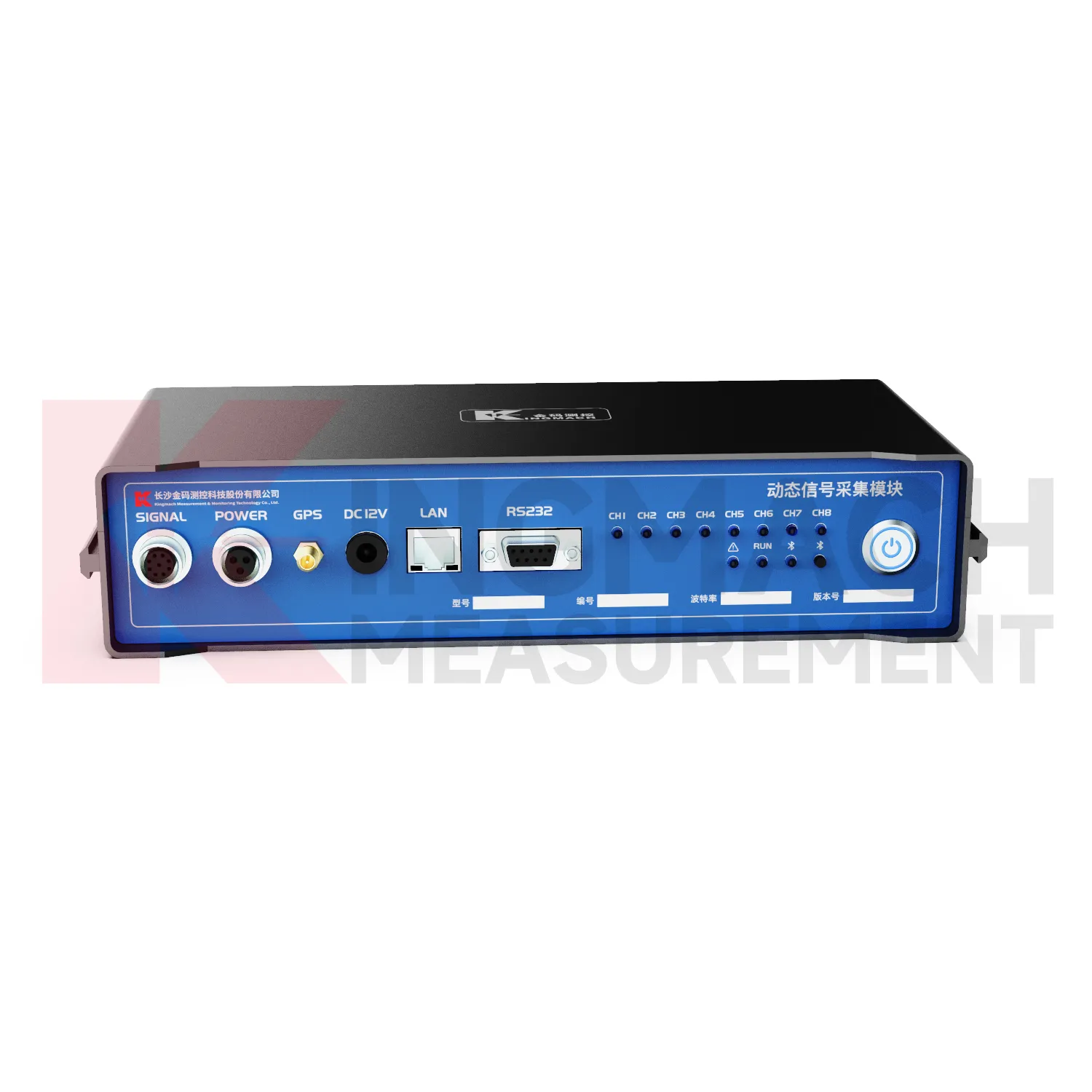
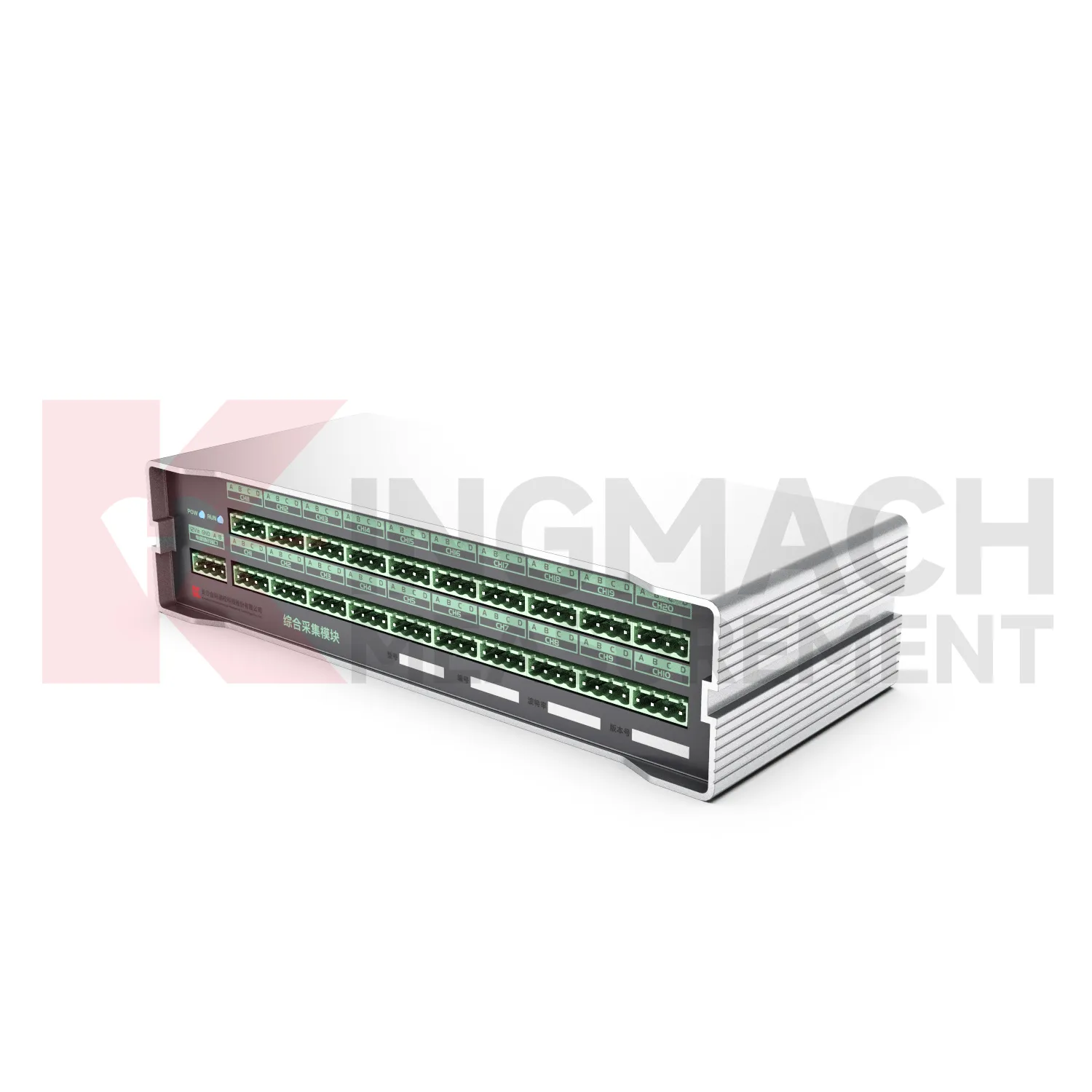
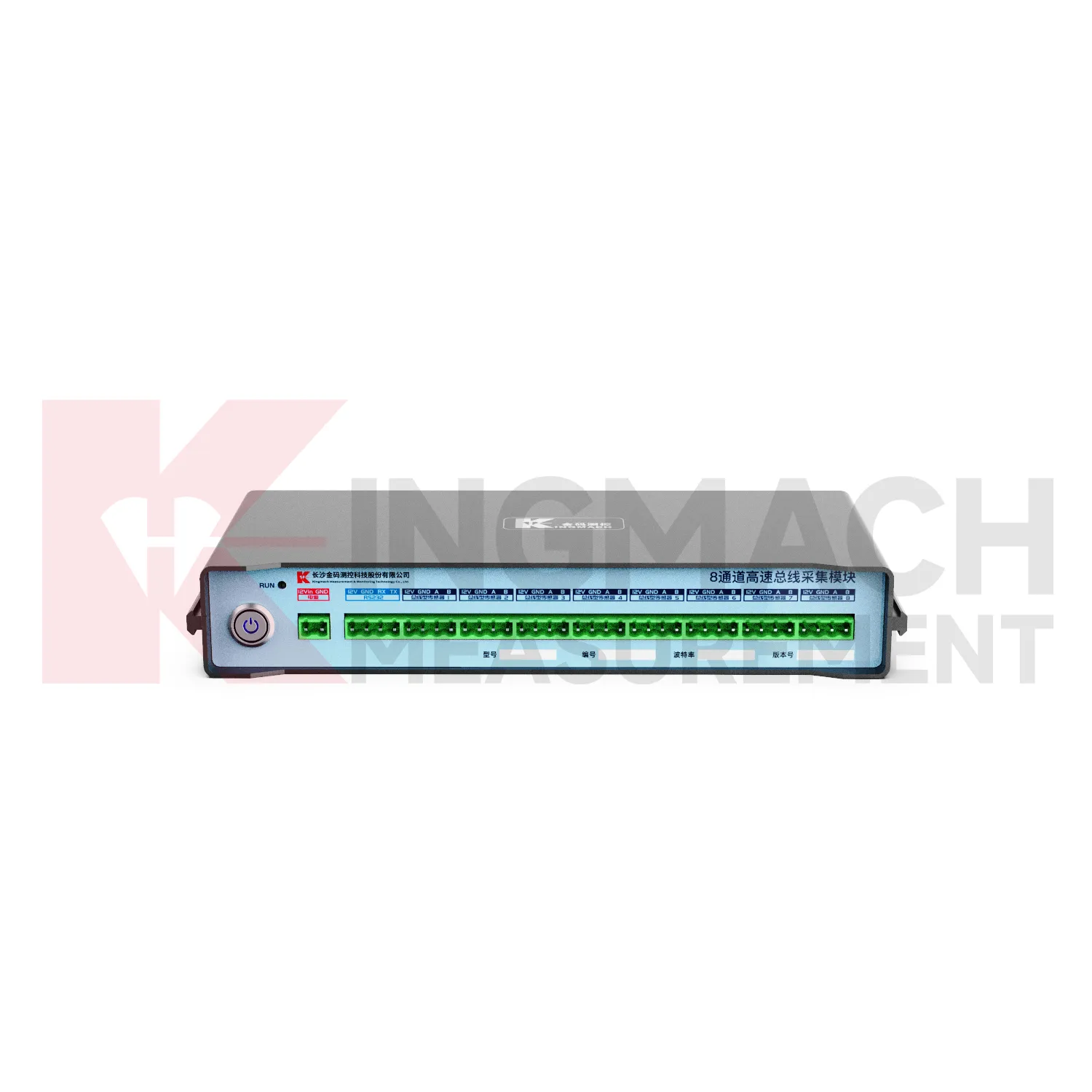
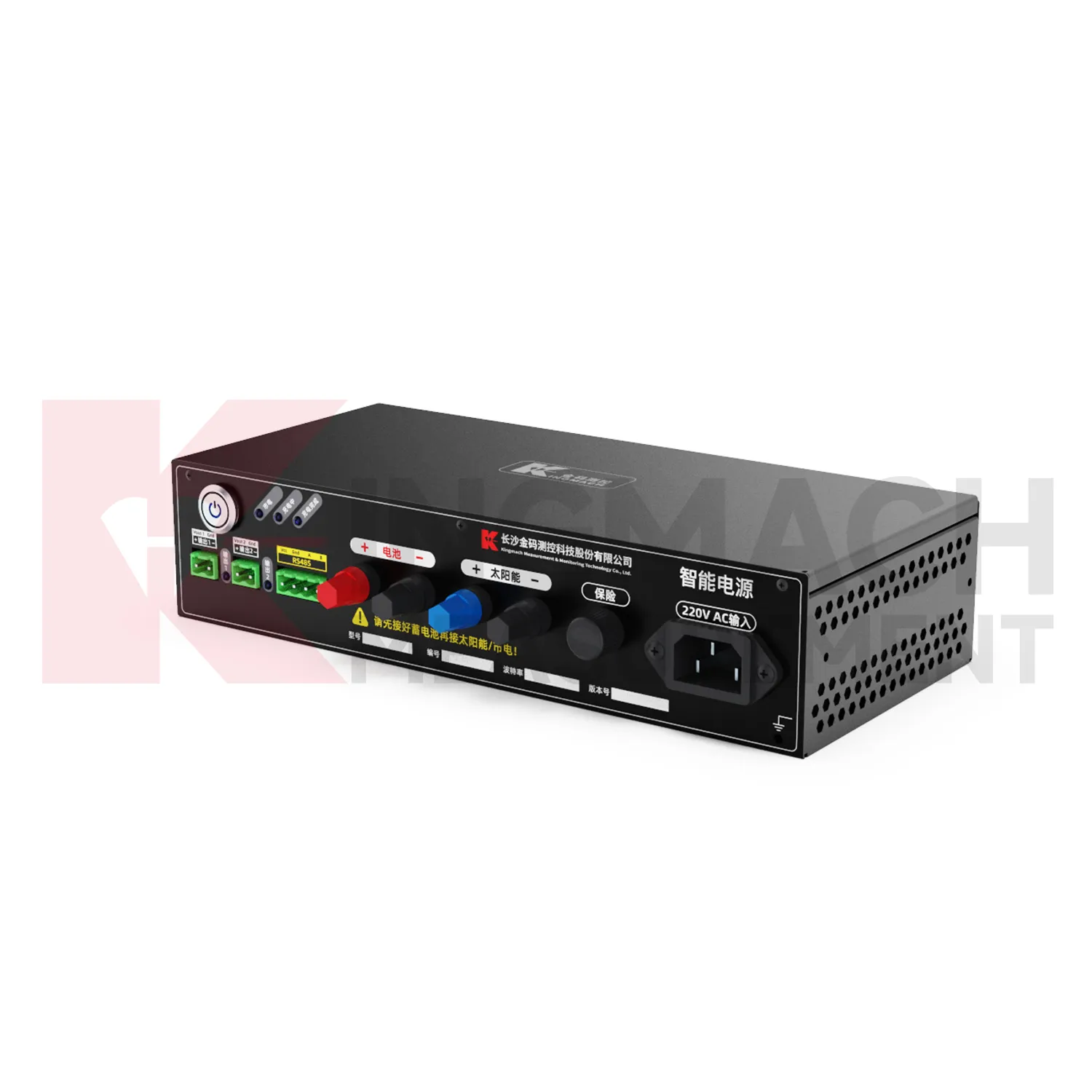
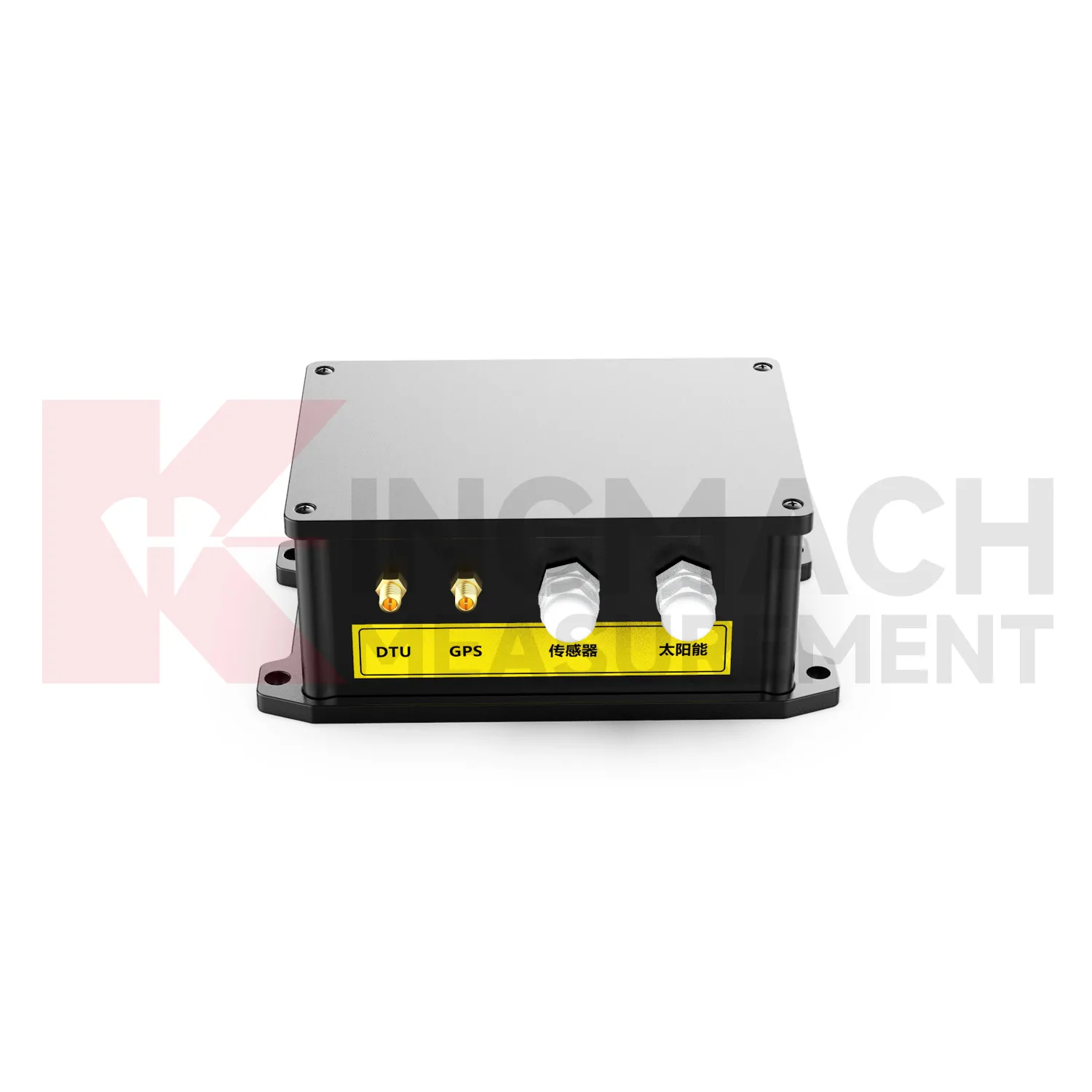
Kingmach Vibrating Wire Signal Acquisition System bring together measurement, storage, and communication functions for field monitoring. The category includes low-power wireless acquisition for remote digital sensors, synchronized dynamic strain logging, and portable readouts for on-site checks. Each device type serves a different part of the monitoring workflow. Low-power loggers reduce manual visits at remote stations. Dynamic loggers capture event behavior with synchronized channels. Portable readouts help field staff confirm sensor condition before the site is closed or the inspection route moves on. Buyers should connect these capabilities with project realities such as access restrictions, weather exposure, power availability, communication reliability, and the expected review frequency. A slope station with limited access, a tunnel with night work, and a bridge deck with traffic restrictions place different demands on the same acquisition category. The device should fit the way people actually reach the point, protect cables, power the station, and move data into review. This practical view helps teams select a readout or logger that supports field use, not only laboratory capability. In remote work, the maintenance route, enclosure position, antenna condition, and expected upload schedule can be just as important as the measurement circuit. In short-term testing, the device must also be easy to move, check, and export before the crew leaves the site.
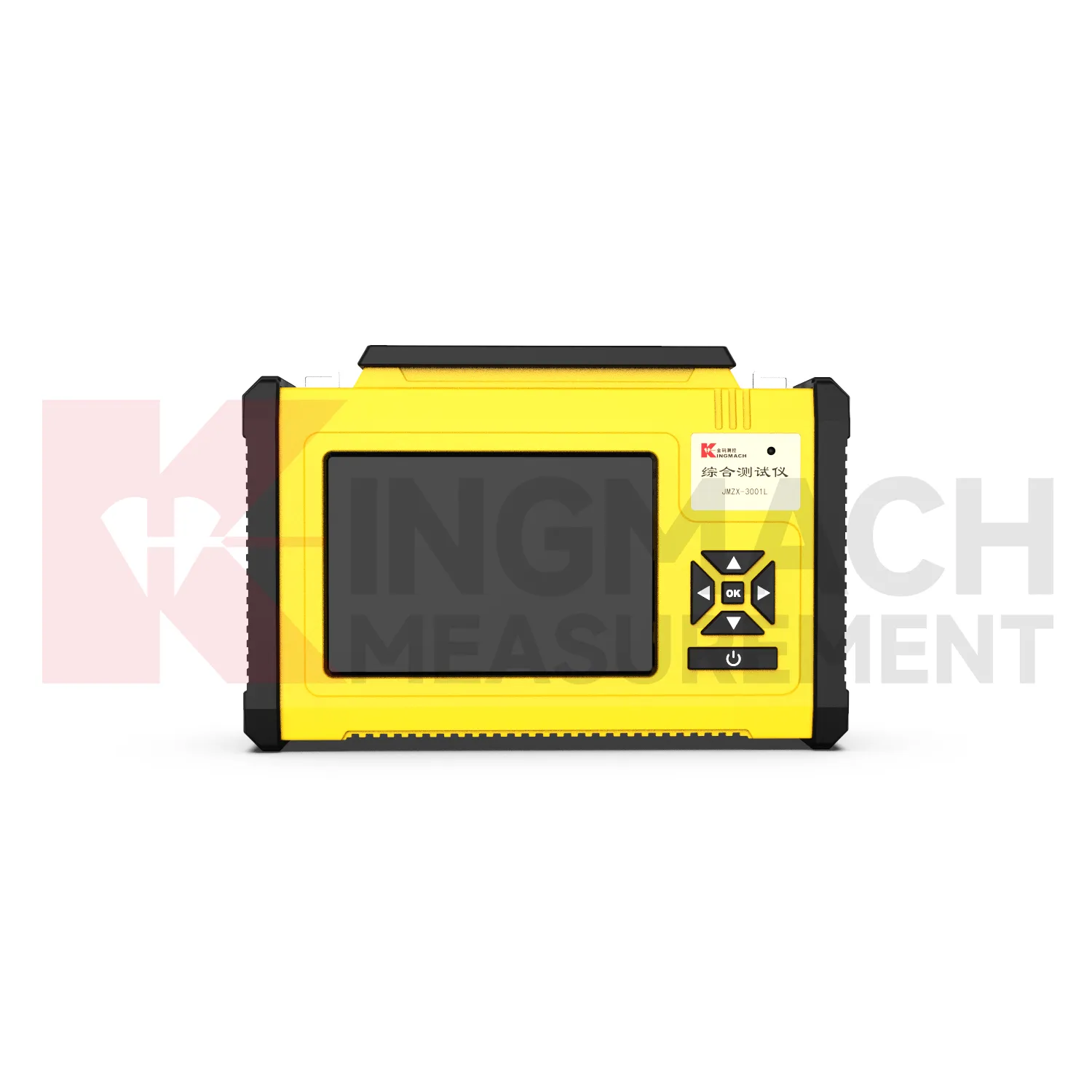
Application of Vibrating Wire Signal Acquisition System
Mining, nuclear plant, and civil infrastructure monitoring can use Kingmach Vibrating Wire Signal Acquisition System where remote or safety-related locations require dependable acquisition. Wireless data loggers reduce the need for repeated manual entry in areas with difficult access. Portable readouts help technicians verify sensor condition during scheduled inspections. Dynamic or multi-channel equipment supports event capture when movement or strain changes quickly. These projects often need strict record discipline because later review may involve construction managers, safety engineers, owners, and maintenance teams. The acquisition system should keep measurement time, point identity, device status, and maintenance history visible so abnormal readings can be reviewed with the proper context. Safety-related stations also need clear evidence of device health. If a remote logger misses uploads, loses power, or reports a suspicious value, the team should know whether the concern comes from the site or from the acquisition chain. Battery history, enclosure notes, access records, and upload status help engineers decide which field action should happen first. For high-consequence infrastructure, this traceability supports faster review during abnormal periods and reduces uncertainty when multiple teams share responsibility for monitoring, maintenance, and reporting. The device record can also support audits, emergency review, and long-term asset documentation when access to the station is limited.
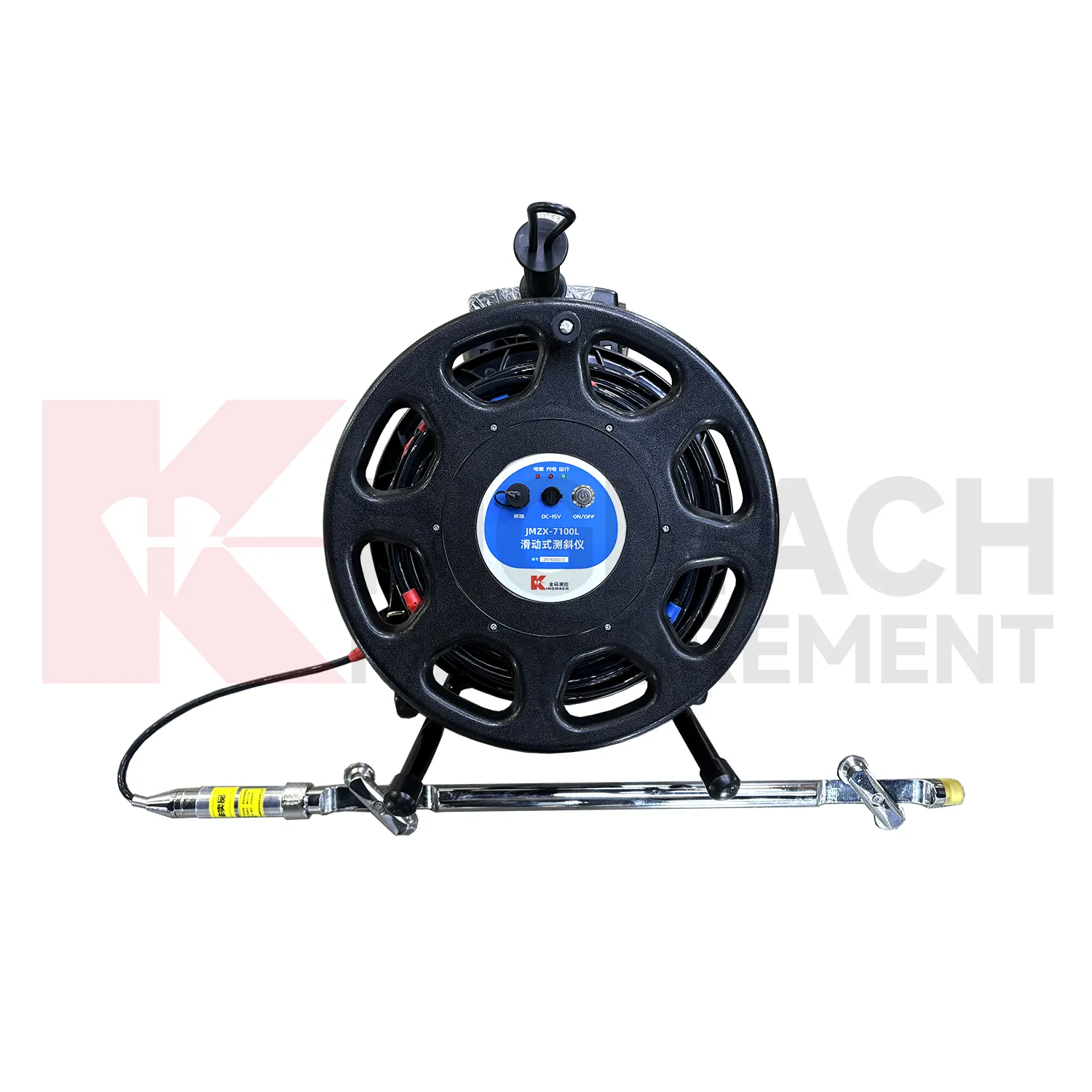
The future of Vibrating Wire Signal Acquisition System
Future Kingmach Vibrating Wire Signal Acquisition System will help owners manage mixed sensor networks. A single project may include vibrating wire sensors, digital bus instruments, temperature points, dynamic signals, environmental stations, and manual inspection notes. Future acquisition systems should make it easier to keep these records aligned by location, time, and engineering purpose. This will help reviewers understand relationships between movement, load, vibration, rainfall, temperature, and construction activity. A more organized data chain will make monitoring records easier to defend during operation, maintenance, and safety review. Mixed networks also need clearer grouping. Sensors that belong to a bridge pier, slope section, tunnel ring, or dam gallery should appear together in the acquisition history. When the system keeps related points connected, engineers can compare behavior across sensor types without losing the physical layout. That will make future reviews faster and more reliable. It also supports clearer reporting when owners review several assets in one program.
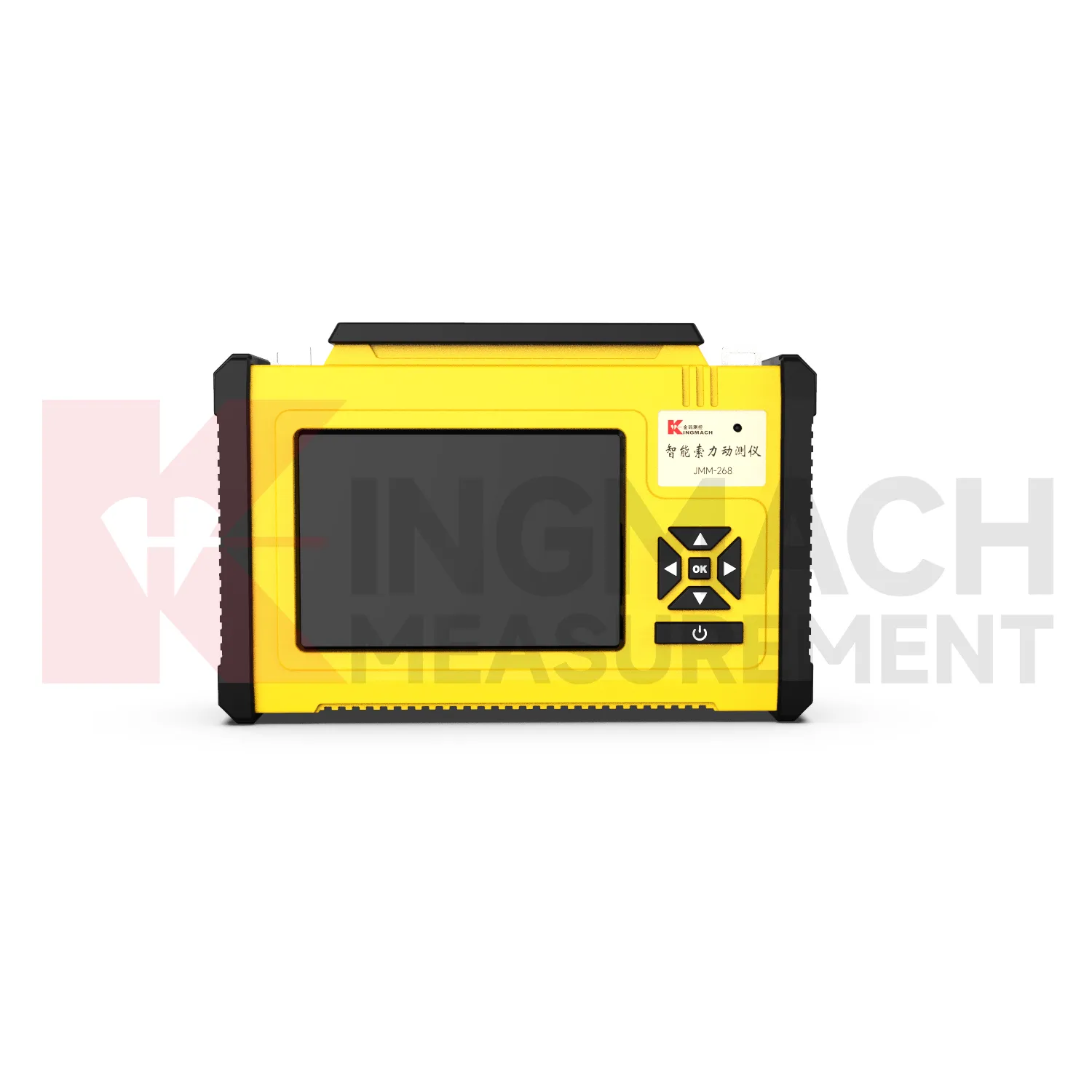
Care & Maintenance of Vibrating Wire Signal Acquisition System
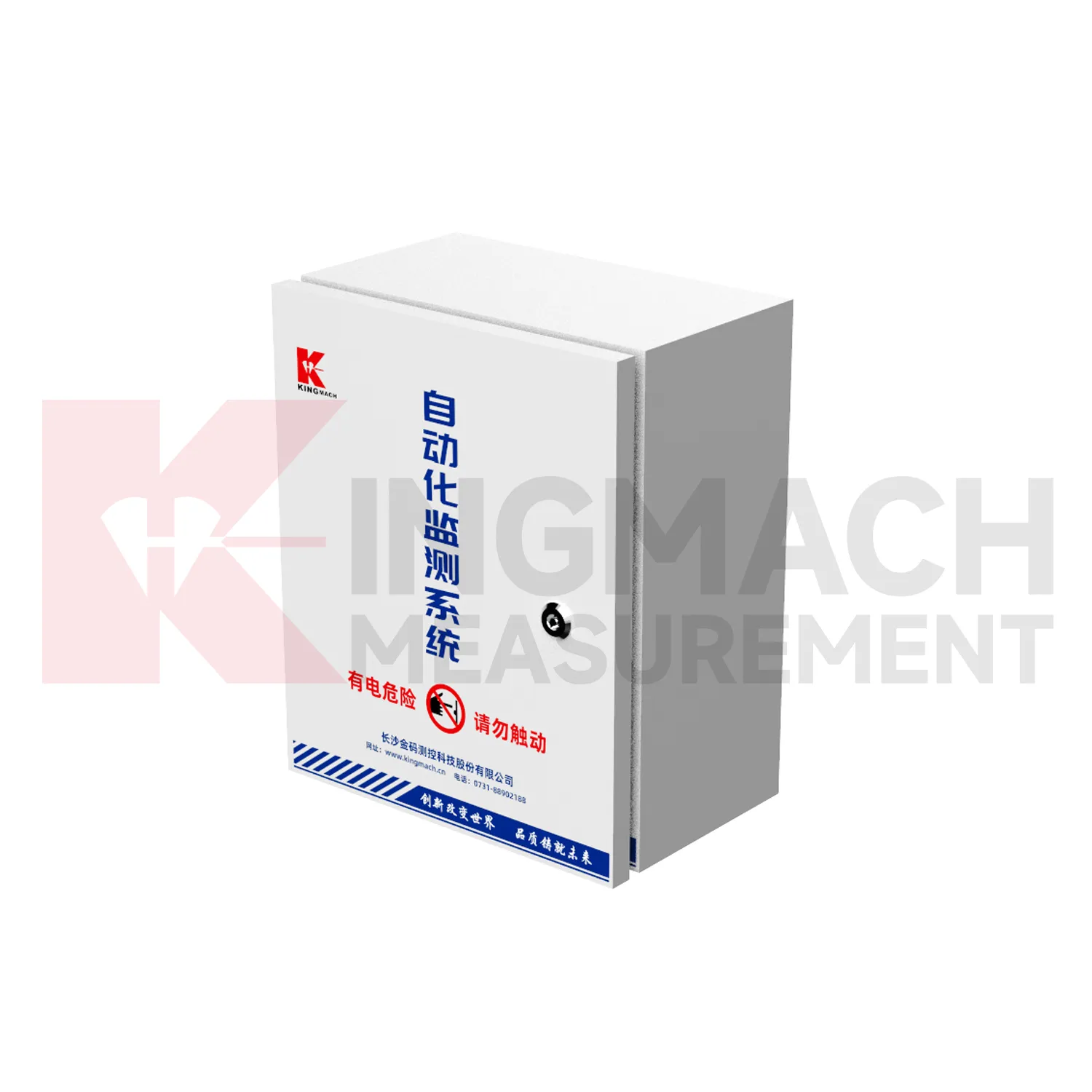
Enclosure care supports reliable Kingmach Vibrating Wire Signal Acquisition System operation at remote stations. Data loggers may face rain, condensation, dust, insects, vibration, impact, or temperature changes. Maintenance staff should inspect cabinet seals, mounting hardware, cable entries, ventilation, drainage, and physical protection. If water entry or corrosion is found, the record should identify affected channels and the repair action. Enclosure notes are especially important when data gaps appear during storms or site works. A clean maintenance record helps reviewers decide whether the issue came from the structure, the sensor, or the acquisition device. Cabinet location should also be reviewed after construction changes. A box that was safe during installation may later be exposed to runoff, dust, vehicle movement, or unauthorized access. When enclosure condition is recorded with photos and repair notes, the next maintenance visit can focus on the real risk instead of starting from guesswork. and reduce repeated visits. safely. over time. clearly.
Kingmach Vibrating Wire Signal Acquisition System
For Kingmach Vibrating Wire Signal Acquisition System, usability in the field is as important as acquisition capability. A device may be technically capable, but it still needs clear operation, readable display, secure connectors, stable power, and a practical method for exporting data. Field crews often work in tunnels, slopes, bridge decks, dam galleries, or construction zones where time and access are limited. A well-planned readout or logger reduces repeated site visits because the operator can confirm the point, store the record, and move on with confidence. This is especially useful when many sensors must be checked in one inspection round. Field usability also depends on small details: charged batteries, clean connectors, readable screen prompts, clear file names, and enough storage before the route begins. When those basics are ready, technicians can spend their time checking sensors instead of troubleshooting the instrument. during each site visit. without avoidable delay. for crews. on site safely. consistently.
FAQ
Q: Where are these devices used?
A: They are used in bridges, tunnels, dams, slopes, buildings, foundation pits, railways, mines, industrial testing, and other monitoring projects.
Q: Why combine readouts with loggers?
A: Readouts confirm field points during visits, while loggers keep collecting data between visits. Together they support both verification and continuity.
Q: What should a remote station show?
A: A remote station should show acquisition status, last upload time, power condition, active channels, storage condition, and recent maintenance history.
Q: How do these devices support reports?
A: They keep readings traceable by time, channel, sensor type, location, and device status so engineers can explain trends and events more clearly.
Q: What causes confusing readings?
A: Loose cables, wrong channel names, weak power, wet enclosures, changed settings, sensor faults, or real site changes can all create confusing records. The record stays useful when point names, channel labels, sensor type, measurement time, and field condition are kept together, because later reviewers can connect the number with the actual structure and inspection history.
Reviews
Joshua Clark
We ordered a full monitoring solution including sensors and data loggers. Everything works seamlessly together. Great supplier!
Christopher Martinez
Very satisfied with the readouts & data loggers. User-friendly interface and supports multiple sensor inputs.
Latest Inquiries
To protect the privacy of our buyers, only public service email domains like Gmail, Yahoo, and MSN will be displayed. Additionally, only a limited portion of the inquiry content will be shown.
Harper***@gmail.comIndia
Dear Sir, we are planning to procure a complete monitoring system including strain gauges, tiltmeter...
Evelyn***@gmail.comSouth Africa
Hi, we are a contractor working on tunnel construction and need settlement sensors and displacement ...
Related product categories
- 8-Channel Digital Temperature Acquisition Module
- Comprehensive Readout
- Comprehensive Acquisition Module
- high-speed bus acquisition module
- 8-channel high-speed bus acquisition module
- Dynamic Strain Data logger
- Smart Power Supply Module
- Automated Acquisition Enclosure
- DTU
- wireless data logger
- wireless temperature data logger
- temperature data logger wireless