
 EN
 ar
 bg
 hr
 cs
 da
 nl
 fi
 fr
 de
 el
 hi
 it
 ko
 no
 pl
 pt
 ro
 ru
 es
 sv
 tl
 iw
 id
 lv
 lt
 sr
 sk
 sl
 uk
 vi
 et
 hu
 th
 tr
 fa
 ms
 hy
 ka
 ur
 bn
 mn
 ta
 kk
 uz
 ku

accelerometer piezoelectric
Kingmach accelerometer piezoelectric are suited to projects where dynamic response must be captured reliably rather than guessed from observation. Bridge cable systems, building floors, industrial structures, railways, tunnels, machinery foundations, and ground-motion stations all produce signals that need context. Some signals are strong and event-driven; others are weak and slow. Some need one direction; others need three. A careful product explanation should guide readers toward these distinctions without turning the text into a list of models. The right message is about measurement purpose, not product stacking. In the field, that same purpose should guide where the sensor is mounted, how the acquisition is configured, and how the result is reviewed after each important event.
For high-risk assets, inspection timing should follow events as well as calendar dates. After impact, blasting, severe weather, unusual vibration, or equipment maintenance, the sensor and the data path both deserve a quick check.
For field teams, the record is strongest when the waveform is tied to a named event and a known physical point. The note should state what was operating, what changed on site, whether other instruments reacted, and whether the motion repeated under similar conditions.
A useful dynamic record needs both signal quality and site context. Mounting condition, axis direction, cable stability, acquisition timing, and event labeling all affect whether the data can support an engineering decision after review.
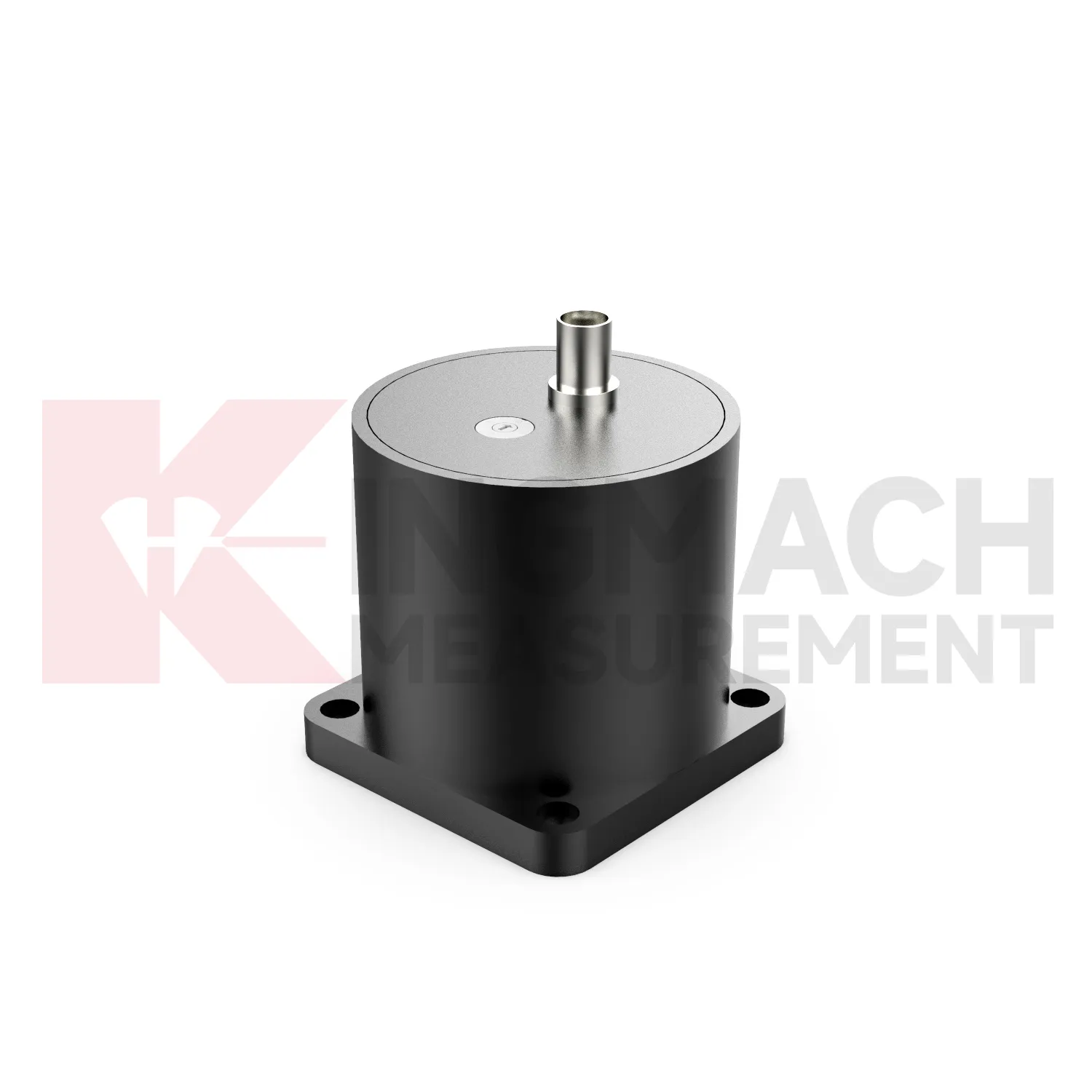
Application of accelerometer piezoelectric
Building vibration monitoring uses Kingmach accelerometer piezoelectric when occupants, equipment, nearby construction, traffic, or structural flexibility create motion that needs a measured record. The task may involve a floor, column, machine base, roof structure, or adjacent building. Acceleration data helps determine whether the motion is occasional, continuous, low-frequency, impact-related, or tied to a specific operating condition. A useful building record includes sensor location, mounting method, axis direction, activity during measurement, and related crack or settlement observations. This makes the result understandable to engineers, owners, and maintenance teams. It also helps separate comfort concerns from structural concerns. A floor that vibrates during machine operation may need a different response from a wall that moves during excavation nearby.
In occupied buildings, the review should connect measured motion with time of day, equipment schedules, tenant reports, nearby road activity, and any construction work. This human and operational context helps explain why a vibration is noticed, when it occurs, and whether it repeats under the same conditions.
The field team should also keep the point discreet but verifiable. A sensor hidden from accidental contact still needs a clear photo, point name, and axis record. That balance protects the device while giving engineers enough information to compare future measurements.
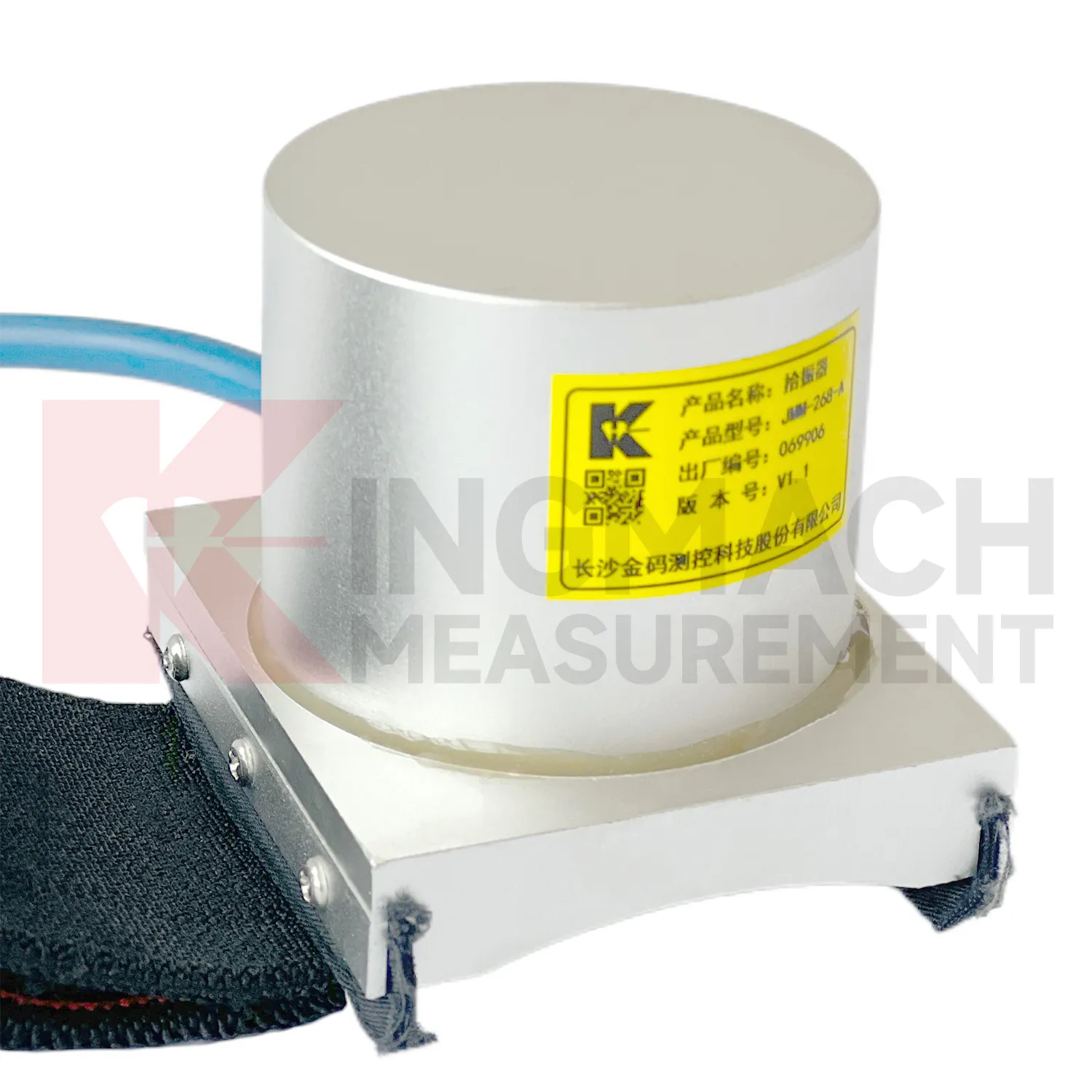
The future of accelerometer piezoelectric
The future of Kingmach accelerometer piezoelectric will place more weight on clean installation records. Dynamic data is sensitive to mounting, axis direction, and local noise. Future handover files should include point photographs, surface condition, bracket notes, axis labels, cable route, acquisition settings, and first test record. These details will help owners understand why a sensor was placed at a certain location and how later data should be interpreted. A good installation record keeps the waveform useful long after the original crew has left. It also reduces confusion when maintenance teams replace hardware or compare new events with older data.
Dynamic data can be sensitive to small field changes. A new bracket, nearby machine, temporary work platform, changed cable route, or software update can alter the record, so those changes belong in the maintenance history.
For owner handover, the file should include point photos, axis labels, acquisition settings, related structural channels, and examples of normal behavior. That helps future reviewers understand whether a later event is unusual.
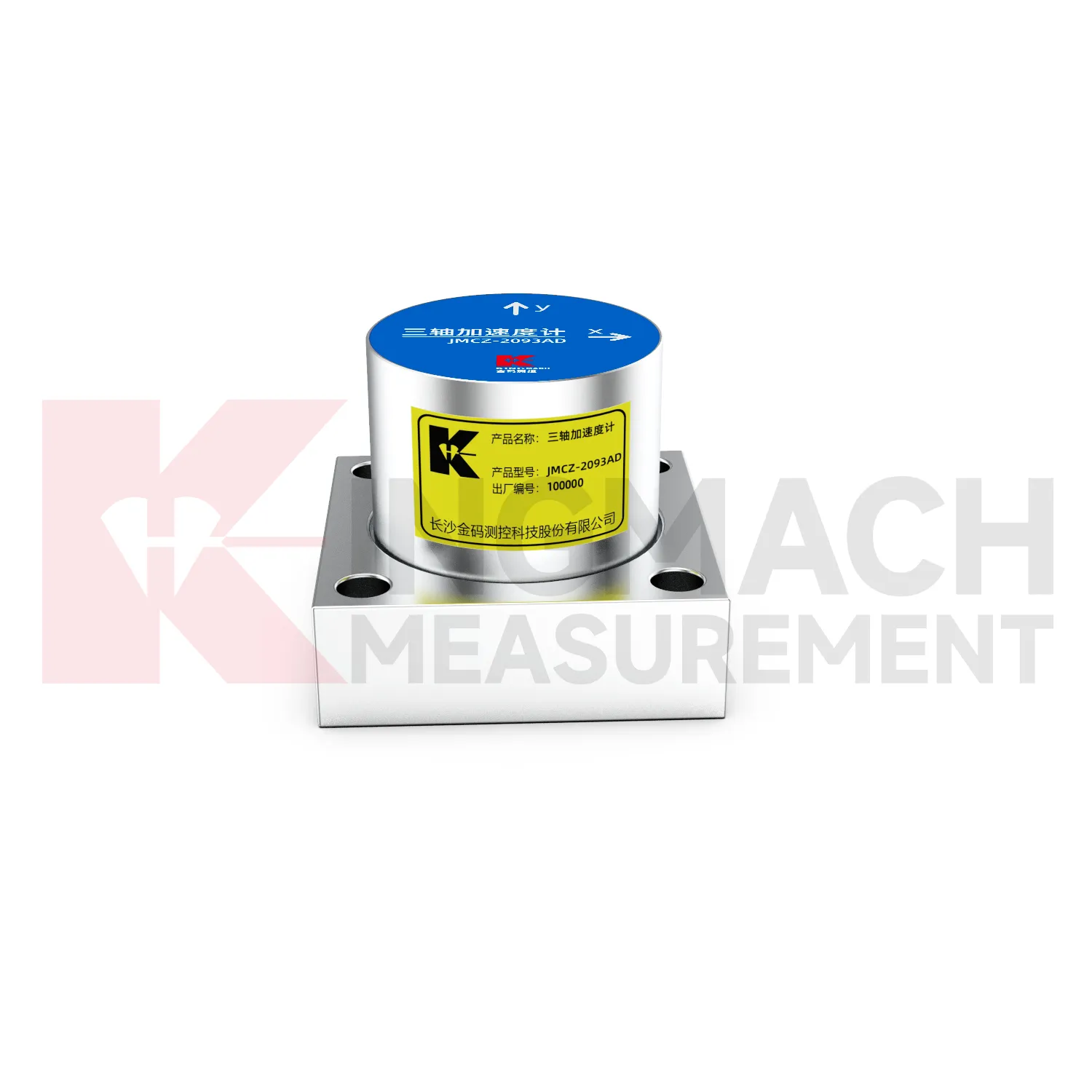
Care & Maintenance of accelerometer piezoelectric
Replacement of Kingmach accelerometer piezoelectric components should be visible in the monitoring record. When a sensor, cable, connector, bracket, acquisition channel, or software setting changes, record the date, reason, old point condition, new point condition, and first stable test. Do not hide replacement by forcing the new record to look continuous without explanation. Future reviewers need to know whether a change in vibration came from the structure or from maintenance. A clear replacement note protects the long-term data story. It also makes handover easier when a new team takes responsibility for the monitoring system.
Weak-vibration review should include nearby walking, wind, traffic, equipment start-up, and construction activity because these sources can influence the trace. People walking nearby, wind, traffic, equipment start-up, and construction work can all influence the trace, so the field note should capture what was happening around the point.
For high-risk assets, inspection timing should follow events as well as calendar dates. After impact, blasting, severe weather, unusual vibration, or equipment maintenance, the sensor and the data path both deserve a quick check.
Kingmach accelerometer piezoelectric
For buyers, Kingmach accelerometer piezoelectric should be selected by the motion being measured. Some projects need weak low-frequency ground pulsation. Some need three-direction structural vibration. Some focus on bridge cable force through fundamental frequency. Some need a sealed vibration pickup in a building or machinery area. The first decision is the engineering question: what movement must be captured, where will the sensor sit, and what data will be reviewed after an event? Once that is clear, the sensor, acquisition unit, mounting method, and reporting workflow can be matched without turning the page into a catalog list. A purchase that starts with the site question is easier to install, easier to test, and easier to maintain through years of service.
A useful dynamic record needs both signal quality and site context. Mounting condition, axis direction, cable stability, acquisition timing, and event labeling all affect whether the data can support an engineering decision after review.
During interpretation, the team should compare the motion with nearby strain, displacement, tilt, load, wind, temperature, traffic, machinery, or construction notes. That wider view helps separate normal response from a pattern that needs inspection.
FAQ
Q: How do Kingmach accelerometer piezoelectric fit into a monitoring platform?
A: They provide the dynamic response layer alongside displacement, settlement, strain, load, tilt, environmental, and inspection data.
Q: What should a buyer define before ordering?
A: Define the motion to capture, structure type, location, axis direction, acquisition method, analysis need, and maintenance access.
Q: Do all projects need three-direction measurement?
A: No. Some need a focused direction, while others need multi-direction records because the movement source is uncertain.
Q: Why is low-frequency response important?
A: Ground pulsation, flexible structures, and slow dynamic movement may require sensors and acquisition settings suited to low-frequency behavior.
Q: What makes long-term acceleration data useful?
A: Stable installation, clear event records, consistent analysis, visible maintenance notes, and comparison with related sensors make it useful.
For owner handover, the file should include point photos, axis labels, acquisition settings, related structural channels, and examples of normal behavior. That helps future reviewers understand whether a later event is unusual.
Reviews
David Wilson
We purchased displacement transducers and settlement sensors, and the quality exceeded our expectations. Easy installation and reliable performance.
Daniel Brown
Excellent environmental monitoring sensors. The data is consistent, and the system integrates smoothly with our existing setup.
Latest Inquiries
To protect the privacy of our buyers, only public service email domains like Gmail, Yahoo, and MSN will be displayed. Additionally, only a limited portion of the inquiry content will be shown.
Evelyn***@gmail.comSouth Africa
Hi, we are a contractor working on tunnel construction and need settlement sensors and displacement ...
Sophia***@gmail.comUnited Kingdom
Good day, we need environmental monitoring sensors including temperature, humidity, and wind sensors...