
 EN
EN
 ar
ar bg
bg hr
hr cs
cs da
da nl
nl fi
fi fr
fr de
de el
el hi
hi it
it ko
ko no
no pl
pl pt
pt ro
ro ru
ru es
es sv
sv tl
tl iw
iw id
id lv
lv lt
lt sr
sr sk
sk sl
sl uk
uk vi
vi et
et hu
hu th
th tr
tr fa
fa ms
ms hy
hy ka
ka ur
ur bn
bn mn
mn ta
ta kk
kk uz
uz ku
ku
strain gauge rosette
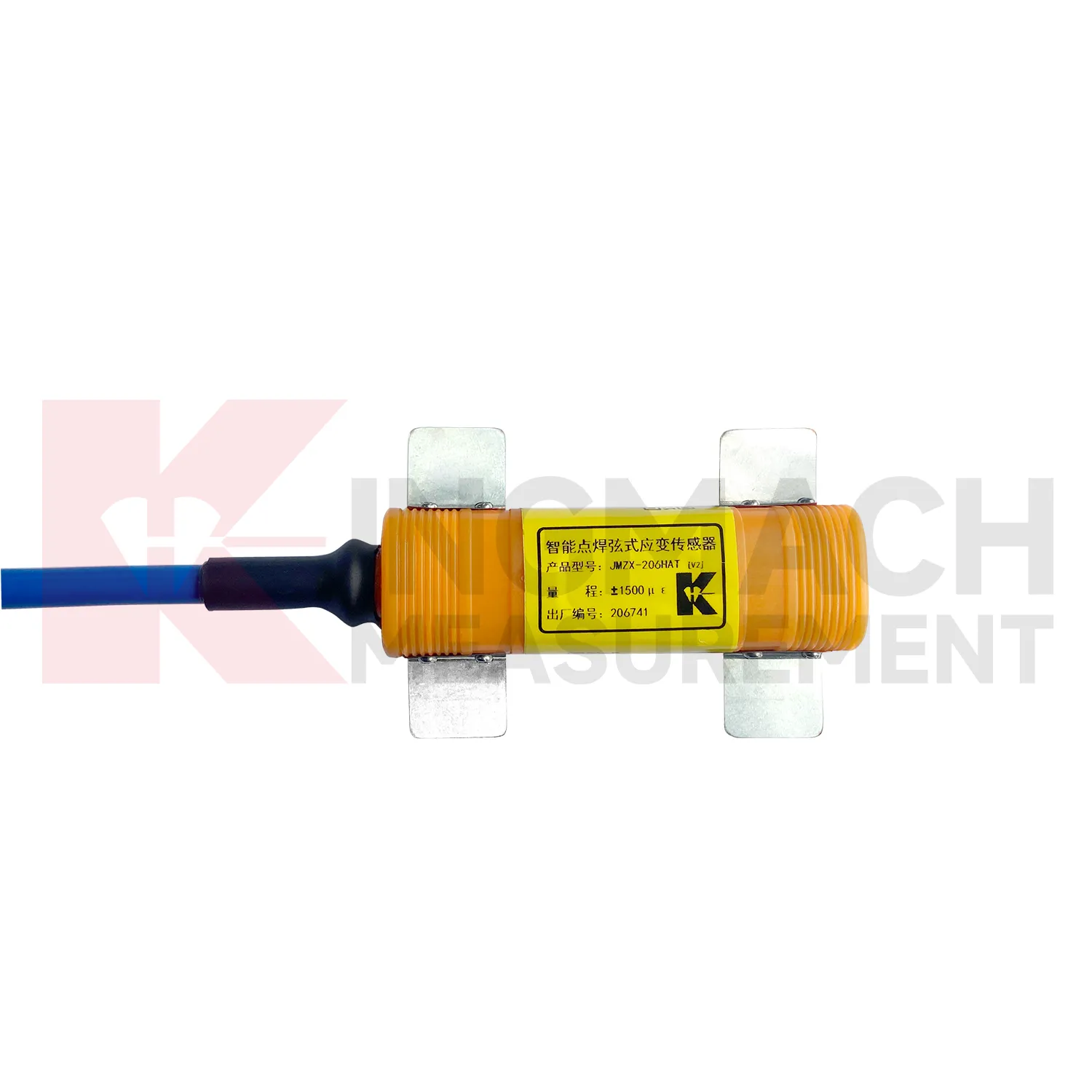
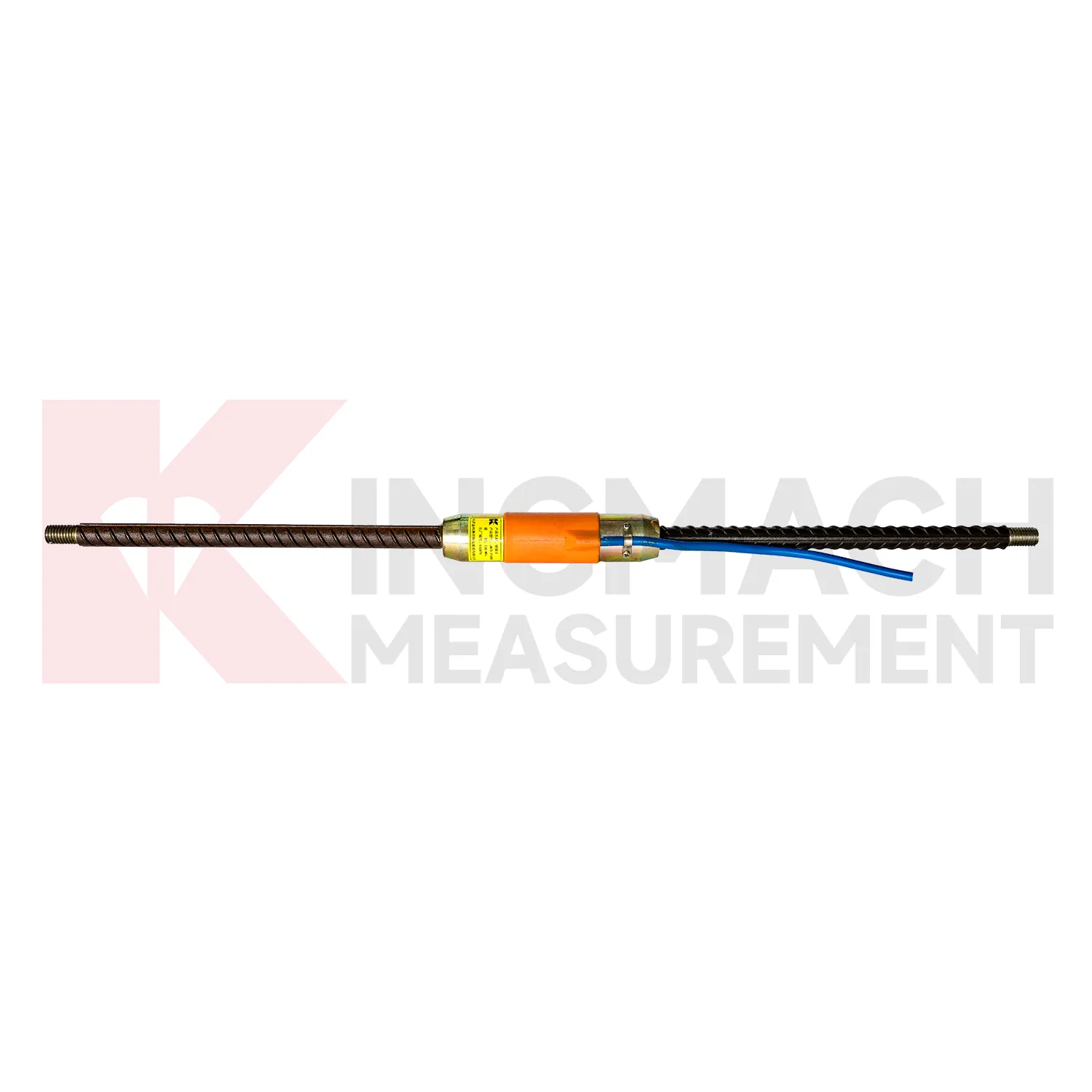
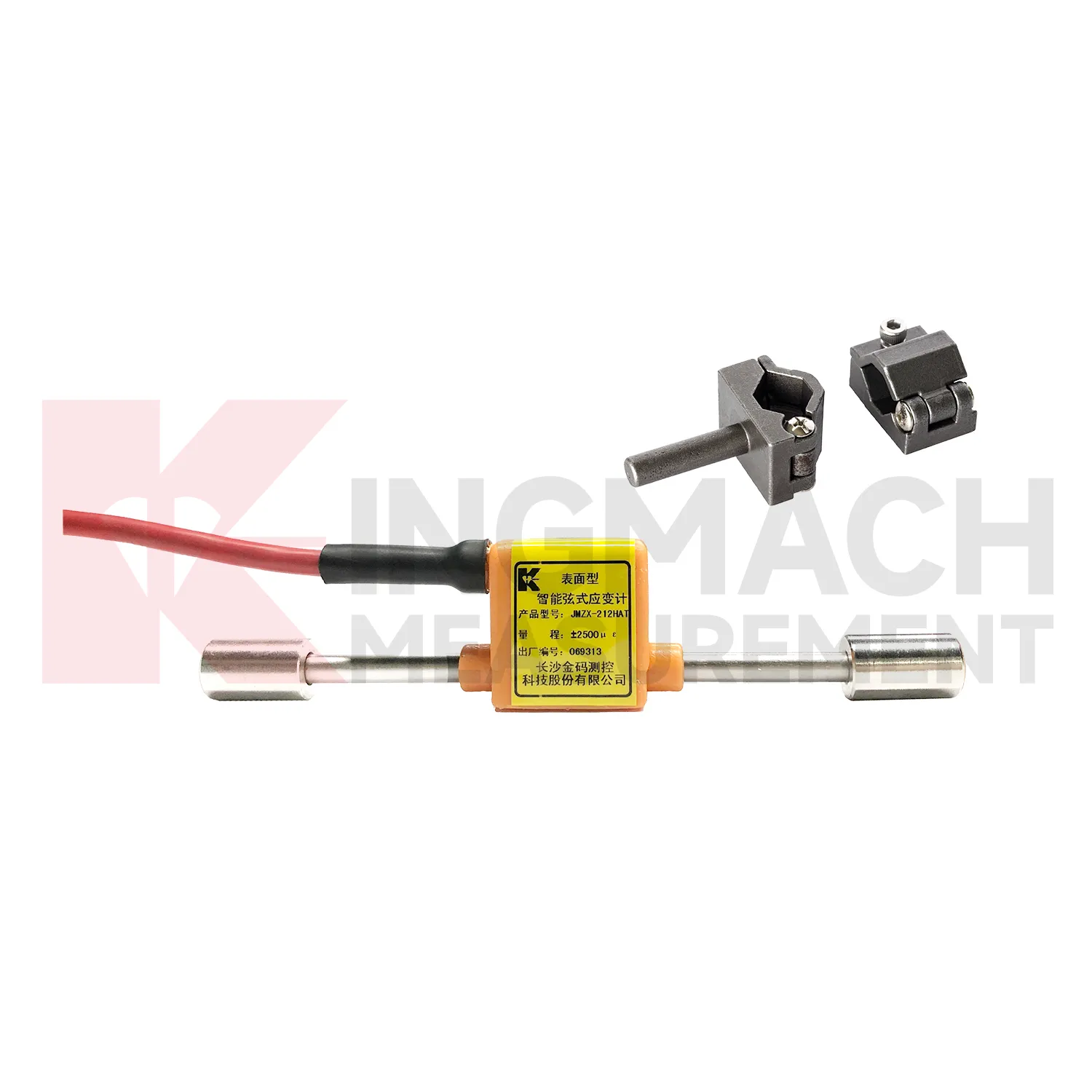
Kingmach {keyword} is suitable for projects that need strain data connected to broader structural health monitoring. The company has operated since 2001 and provides sensors, automated monitoring systems, and smart monitoring platforms for bridges, dams, tunnels, slopes, wind turbines, subways, and buildings. In the strain gauge line, the surface model offers ±2500 microstrain range and 150 meter waterproof performance, the embedded model is tied to rebar before pouring and supports internal concrete strain measurement, and the welded model provides digital detection with storage for up to 800 records. These are not decorative specifications; they answer common project questions about access, durability, traceability, and long distance signal handling. For an engineering buyer, that combination is often more important than a short product label. For Kingmach, the brand information and product specifications work together. The company supplies sensors, acquisition units, and monitoring platforms, so the strain gauge can be specified as part of a complete measurement workflow rather than a loose component. A clear specification record reduces confusion when the same project uses surface, embedded, welded, and rebar based instruments together. That is why model data, calibration values, and channel labels should travel with the product from procurement to commissioning. For field teams, those details also shape installation tools, spare cable length, readout selection, and protection work.
Application of strain gauge rosette
For online structural health monitoring, {keyword} can be connected with readouts, acquisition modules, DTUs, wireless loggers, and platforms such as Kingmach's Engineering Pulse system. The practical need is continuous data from difficult locations: bridge girders, tunnel linings, dam galleries, reinforced concrete piles, rail stations, and steel supports. Products such as the JMZX-212HAT/HB and JMZX-215HA/215HAT/HB use vibrating wire frequency signals that can transmit over long distances with strong anti interference performance. The JMZX-206HAT welded model adds digital detection and onboard record storage. Once the readings are collected in a platform, engineers can compare strain with displacement, settlement, tilt, acceleration, temperature, and water pressure. That comparison helps reduce false alarms and makes inspection decisions more evidence based. The main advantage is measured evidence at the point where stress is expected to change, giving owners a cleaner basis for inspection, reinforcement, load control, or continued operation. The same record can support staged construction control, post event inspection, and long term maintenance planning. When data is collected automatically, engineers can compare daily movement instead of relying on occasional manual readings. This gives the project team a better way to separate normal behavior from a change that needs inspection. For field use, the strain point should be named, mapped, protected, and reviewed with nearby sensors before any alarm is judged.
The future of strain gauge rosette
The future of {keyword} will move toward connected monitoring rather than isolated readings. Kingmach already pairs vibrating wire strain gauges with comprehensive readouts, automated acquisition systems, wireless loggers, DTUs, and cloud platforms. The next step is cleaner integration with IoT networks, where strain readings from bridges, tunnels, dams, and buildings can be checked beside displacement, settlement, vibration, temperature, and water pressure. 5G, LoRa, and low power edge devices will make remote projects easier to manage, especially on slopes, reservoirs, and transport corridors. The sensor still has to be installed correctly; technology will not fix poor bonding or a damaged cable. But better diagnostics, channel maps, and data timestamps can help engineers find problems earlier and keep long term records easier to trust. For Kingmach, that direction fits its existing mix of sensors, automated systems, and smart monitoring platforms. The product can stay close to field measurement while the data path becomes more connected.
Care & Maintenance of strain gauge rosette
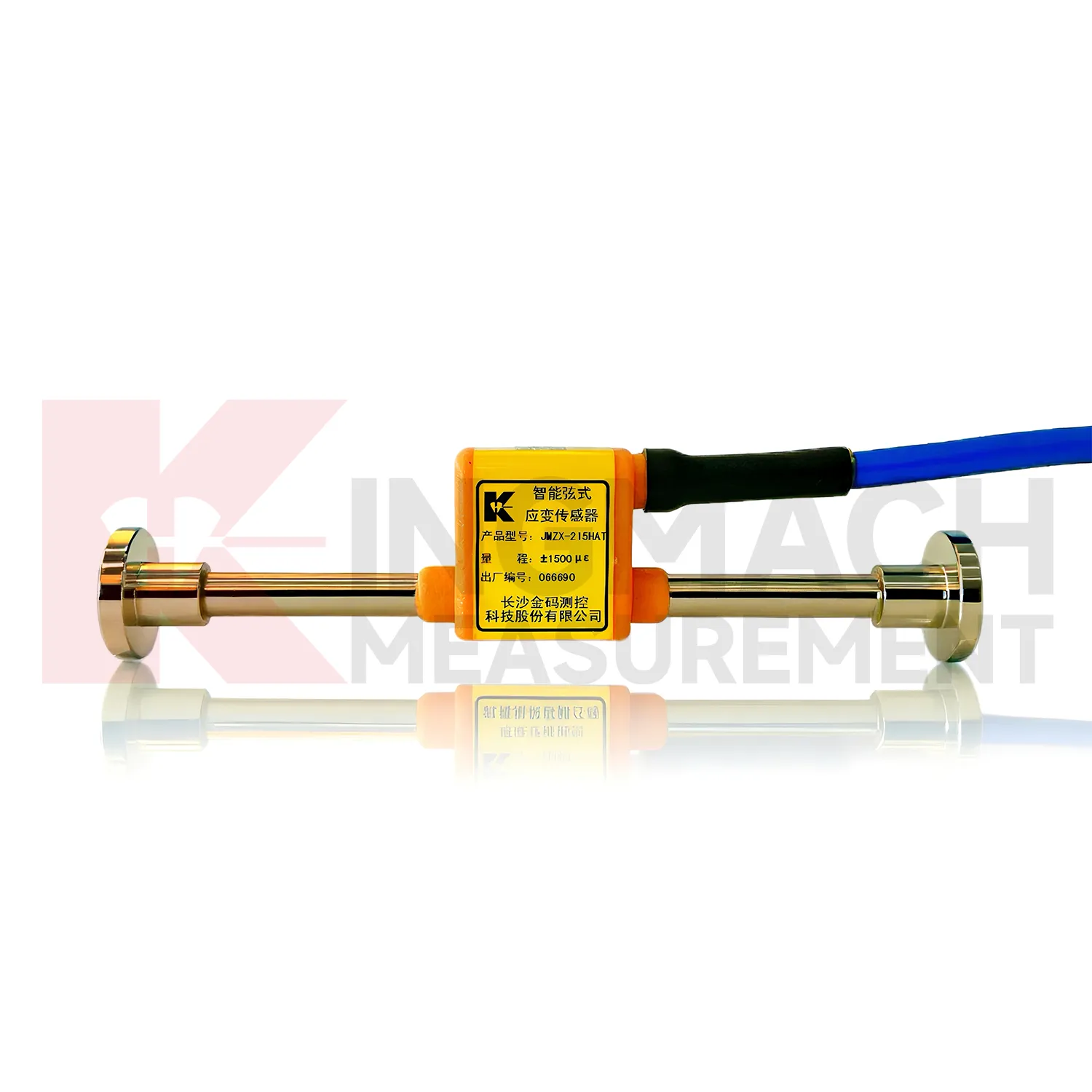
For embedded {keyword}, maintenance focuses on the accessible parts because the sensor itself cannot be reached after concrete pouring. Before pouring, secure the JMZX-215HA/215HAT/HB gauge to rebar or a bracket, protect the cable from pulling, and document its position. After pouring, protect the cable exit, junction box, and acquisition channel. The embedded model has a ±1500 microstrain range, 146 mm gauge length, and 0.1 microstrain resolution, so small changes can be meaningful if the record is clean. During service, check for channel noise, water entry, cable compression, and label loss. If data looks abnormal, inspect the external route first, then compare strain with temperature, settlement, and nearby embedded channels. The goal is to protect the measurement chain from sensor body to platform, because a damaged cable or mislabeled channel can make an accurate gauge look unreliable. Review the channel after major site work. Replace damaged protection before water reaches the connection.
Kingmach strain gauge rosette
{keyword} is used when a structure needs measured strain data instead of a visual guess. On steel, concrete, reinforcement, or a calibrated force element, it follows tiny deformation and turns that movement into a reading that engineers can compare over time. Kingmach applies this measurement approach in bridges, tunnels, dams, railways, buildings, slopes, and wind towers, where strain changes often appear before visible damage. The product family can cover surface mounted sensors, embedded vibrating wire gauges, weldable steel structure models, and rebar strainmeters. In day to day monitoring, the value is practical: engineers can see whether load transfer is normal, whether stress is concentrating near a joint, and whether long term service is changing the baseline. For project teams, the data path is as important as the sensor point: location records, cable protection, and baseline readings help later inspections stay tied to actual site behavior.
FAQ
Q: Where is {keyword} used in bridge monitoring?
A: It can be installed on girders, decks, steel beams, reinforcement, piers, and other stress sensitive locations to track traffic load and fatigue behavior.
Q: How does it help tunnel monitoring?
A: Embedded or welded gauges can read lining strain, support force, reinforcement stress, and ground pressure effects during construction and service.
Q: Can it be used in dams?
A: Yes. Embedded and surface models are used for concrete strain, stress state review, temperature related movement, and long term dam safety monitoring.
Q: Is it useful for foundation pits?
A: Yes. Rebar strainmeters and welded gauges can monitor support stress, anchor force changes, brace behavior, and retaining structure response.
Q: What other sensors are often used with it?
A: Displacement meters, settlement sensors, tiltmeters, piezometers, water level meters, accelerometers, and temperature sensors are often used together.
Reviews
Ryan Lewis
Fast delivery and excellent product quality. The accelerometers and tiltmeters are highly reliable. Strongly recommend this company.
David Wilson
We purchased displacement transducers and settlement sensors, and the quality exceeded our expectations. Easy installation and reliable performance.
Latest Inquiries
To protect the privacy of our buyers, only public service email domains like Gmail, Yahoo, and MSN will be displayed. Additionally, only a limited portion of the inquiry content will be shown.
Amelia***@gmail.comSingapore
Hello, I am looking for visualization software for monitoring system data analysis. Please let me kn...
Olivia***@gmail.comUnited States
Hello, we are currently sourcing high-precision strain gauges and load cells for a bridge monitoring...
Related product categories
- strain gauge sensor module
- strain gauge load cell sensor
- strain gauge and load cell
- load cell and strain gauge
- load cell strain gauge
- strain gauge load cells
- strain gauge manufacturers
- strain gauge suppliers
- strain gauge sensor market
- strain gauge sensor price
- strain gauge weight sensor factory
- strain gauge weight sensor suppliers