
 EN
EN
 ar
ar bg
bg hr
hr cs
cs da
da nl
nl fi
fi fr
fr de
de el
el hi
hi it
it ko
ko no
no pl
pl pt
pt ro
ro ru
ru es
es sv
sv tl
tl iw
iw id
id lv
lv lt
lt sr
sr sk
sk sl
sl uk
uk vi
vi et
et hu
hu th
th tr
tr fa
fa ms
ms hy
hy ka
ka ur
ur bn
bn mn
mn ta
ta kk
kk uz
uz ku
ku
strain gauge uses
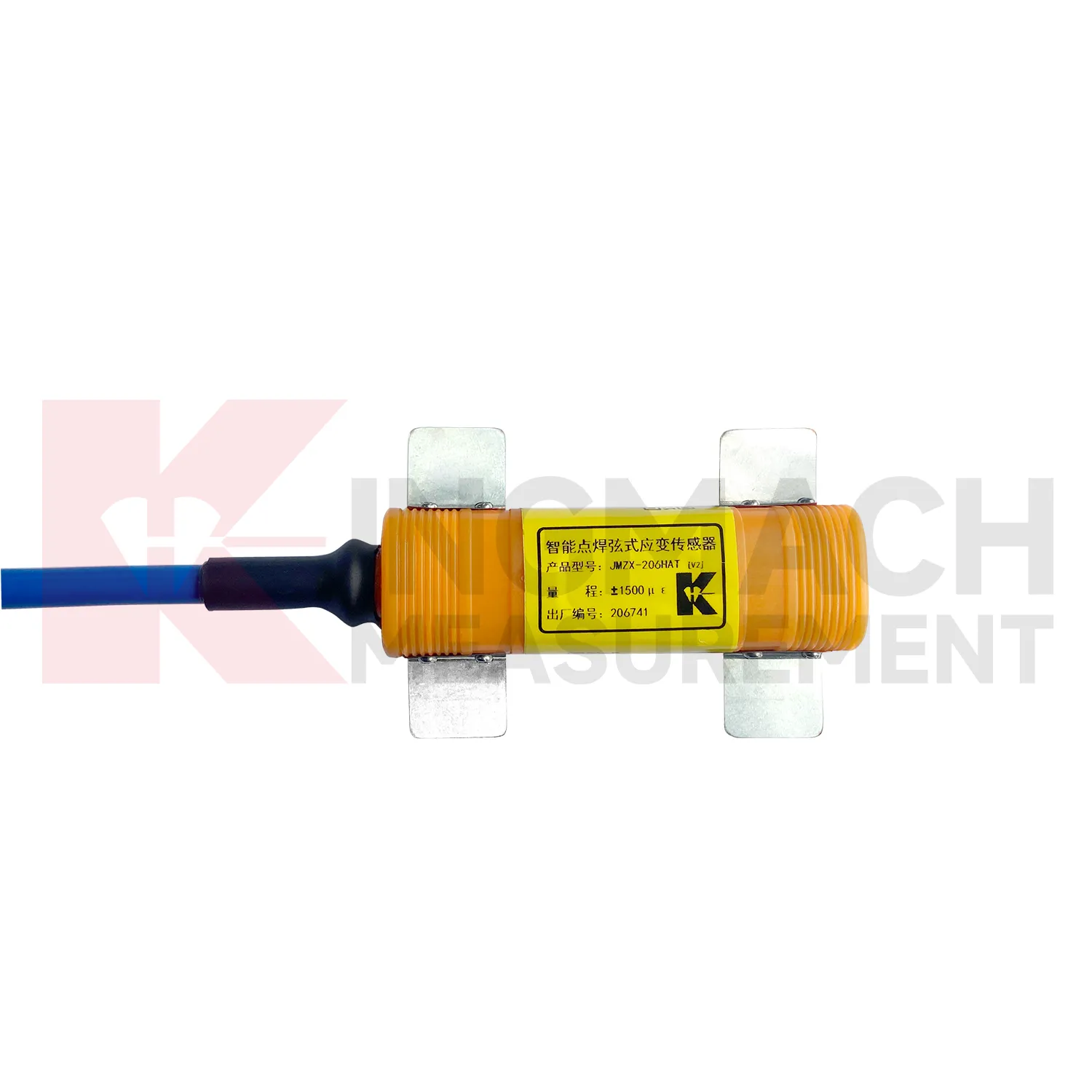
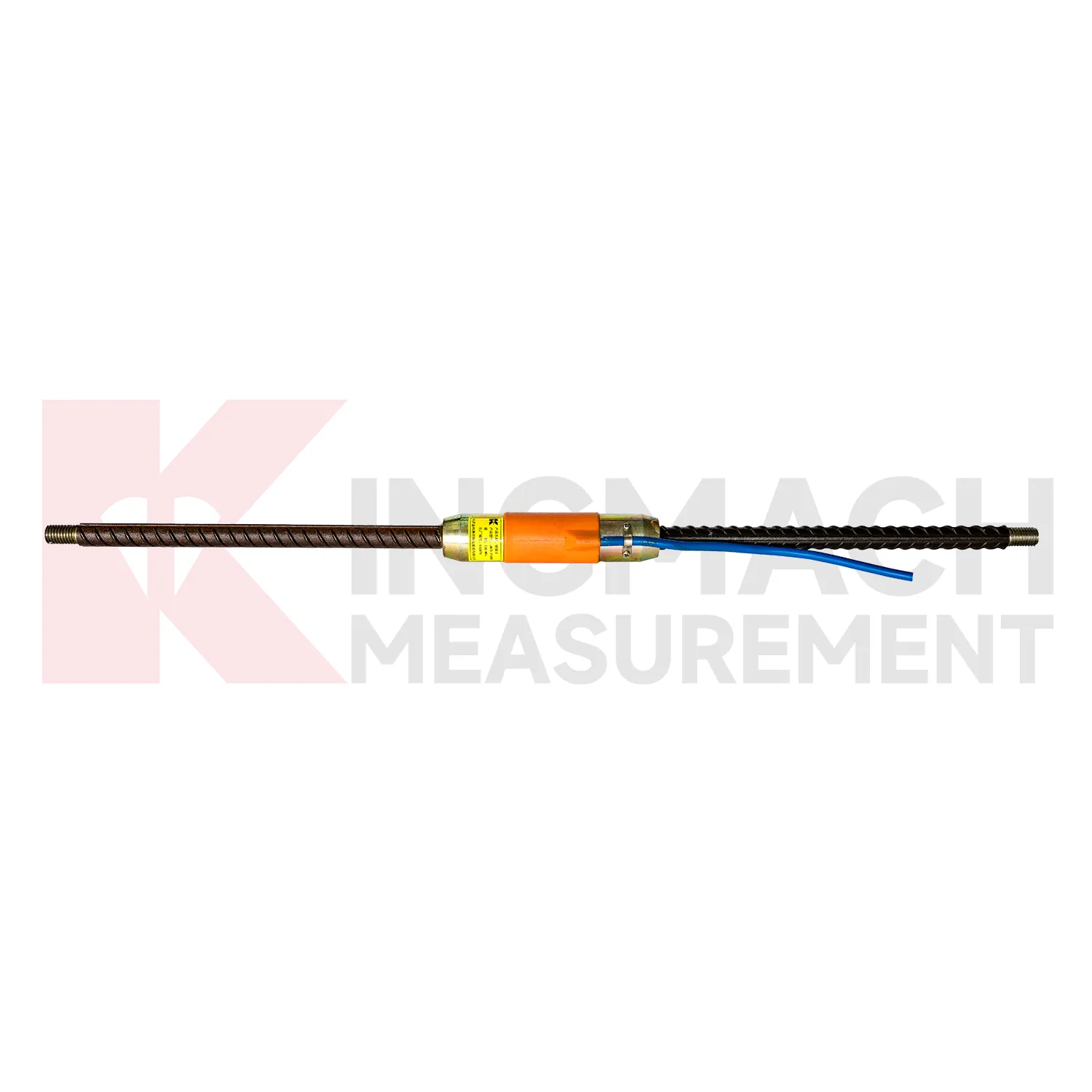
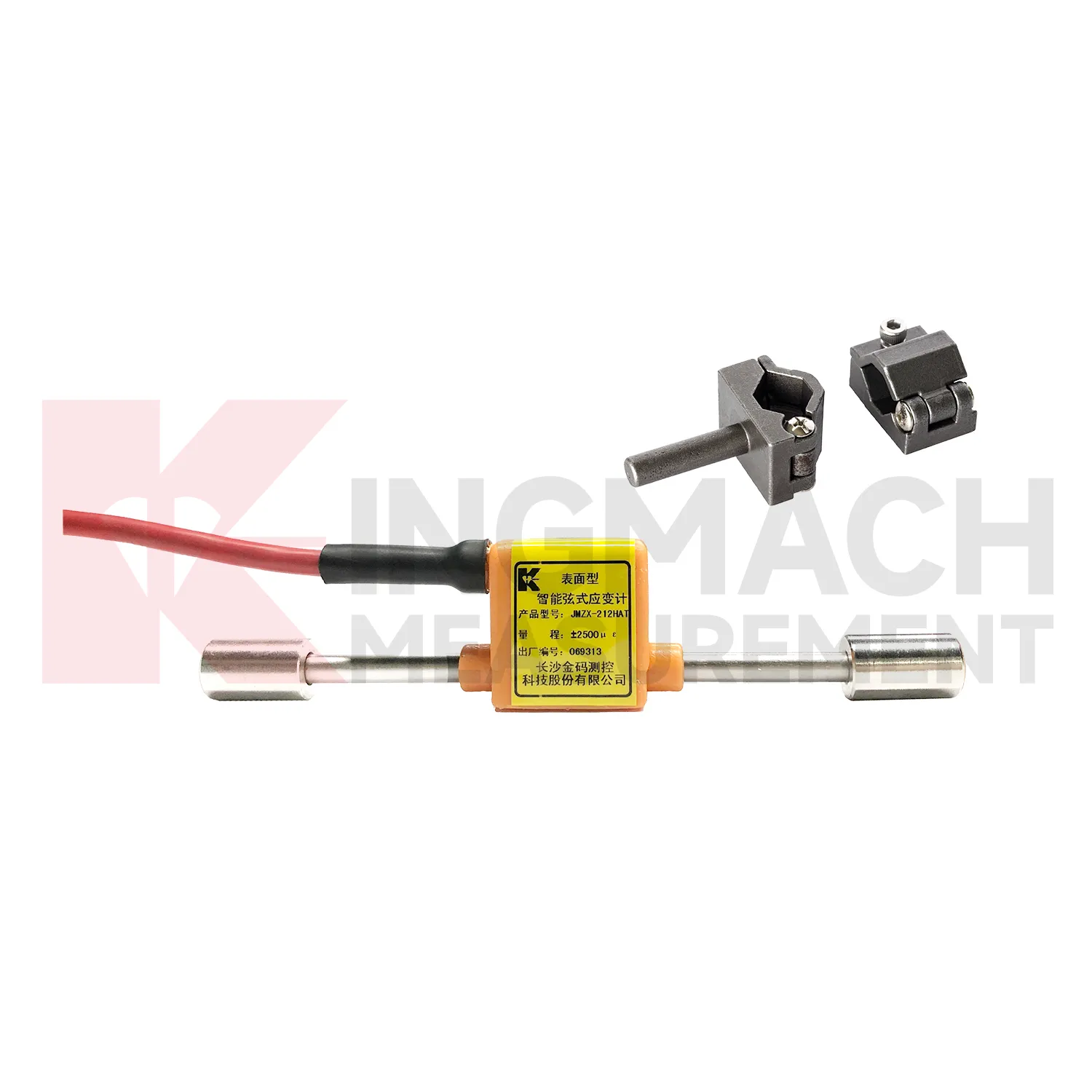
Kingmach {keyword} is designed for engineering strain monitoring where stable readings, field durability, and system compatibility matter. The JMZX-212HAT/HB surface model measures concrete or steel surface strain with a standard range of ±2500 microstrain, 0.5%F.S. strain accuracy, 0.1 microstrain resolution, and a 129 mm gauge length. Its vibrating wire structure uses welded anchoring and built in tension, which helps maintain reliable fixation without depending on shear resistance from the mounting base. The stainless steel fully sealed structure is rated for waterproof performance at depths up to 150 meters, making it suitable for wet or exposed field locations. When used with Kingmach comprehensive readout units or automated acquisition systems, readings can be displayed as physical values or frequency in Hz. The temperature version includes a built in temperature sensor, with a thermometer range from -40℃ to +120℃ and ±0.5℃ temperature measurement accuracy for strain correction. These details give procurement and engineering teams enough information to compare the product against site needs such as measuring range, waterproofing, temperature correction, installation method, and acquisition compatibility. They also keep the specification tied to tested product data instead of loose performance assumptions. A clear specification record reduces confusion when the same project uses surface, embedded, welded, and rebar based instruments together.
Application of strain gauge uses
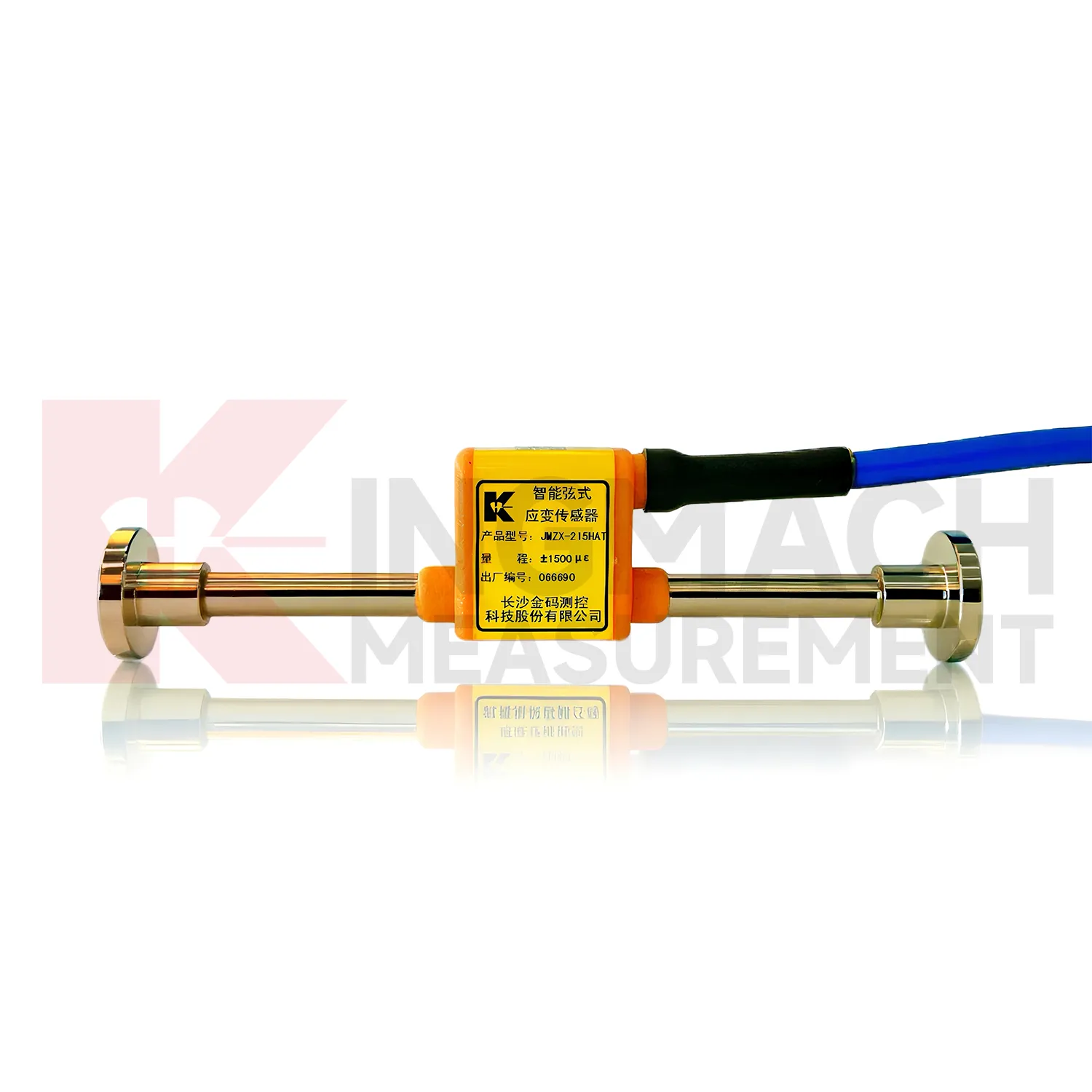
In dam and hydraulic structure monitoring, {keyword} supports strain observation in concrete blocks, galleries, spillways, anchors, reinforcement, and steel components affected by water pressure and temperature cycles. The project pain points are long service life, seepage influence, thermal movement, concrete creep, and limited access after construction. Kingmach embedded gauges can be placed before concrete pouring and provide ±1500 microstrain range, 0.5%F.S. precision, and waterproof durability up to 150 meters. Surface gauges also include temperature measurement versions, with -40℃ to +120℃ thermometer range and ±0.5℃ accuracy. In dam safety monitoring, strain readings can be reviewed with water level, seepage, displacement, and temperature data. This helps owners identify whether structural stress is following normal seasonal behavior or moving toward a risk condition. For general product use, the same equipment can serve several structures when the range, waterproof rating, and installation method match the monitoring point. For field use, the strain point should be named, mapped, protected, and reviewed with nearby sensors before any alarm is judged. The same record can support staged construction control, post event inspection, and long term maintenance planning.
The future of strain gauge uses
Standards and owner requirements are pushing {keyword} toward more traceable monitoring records. Kingmach strain gauge products reference standards such as GB/T 13606-2007, GBT 3408.2-2008, DL/T 1044-2022, SL 363-2006, and DL/T 1136-2022 across related models. As structural health monitoring specifications become more data driven, buyers will care more about calibration records, sensor identity, installation photos, channel naming, and long term data export. Digital twins will also need measured strain inputs that are consistent and time stamped. In that environment, the sensor is no longer just a component on a structure. It becomes a documented data source within a larger asset management record. As standards ask for more traceable structural monitoring, calibration data, model numbers, channel maps, and installation records will become part of the product value, not paperwork afterthoughts. It also makes sensor data easier to use in owner reports and maintenance meetings. The strongest gains will come from cleaner records and faster fault checks.
Care & Maintenance of strain gauge uses
Data logger and readout care affects {keyword} performance in the field. Kingmach gauges can work with comprehensive readout units and automated acquisition systems, allowing physical values or vibrating wire frequency to be displayed. During installation, confirm channel order, units, excitation settings, temperature compensation, and sensor type. During use, check power supply, grounding, communication status, memory capacity, and time synchronization. For remote projects, inspect DTU or wireless logger signal strength and backup storage after storms or power cuts. Many false alarms begin with acquisition issues rather than real structural change. A regular check of logger health, cable terminals, and channel names keeps the strain data usable for engineering review. When readings change sharply, the first response should be a calm check of site events, nearby channels, and hardware condition before any costly repair is planned. Keep these checks in the project log. Review the channel after major site work. Replace damaged protection before water reaches the connection.
Kingmach strain gauge uses
Procurement teams often evaluate {keyword} by comparing sensors, manufacturers, data acquisition equipment, and long term support. The useful question is not only price. It is whether the product matches the structure, installation method, output system, environmental exposure, and maintenance plan. Kingmach brings together strain gauges, readouts, automated acquisition units, cables, and monitoring software, which reduces the risk of mismatched field components. For buyers managing bridges, tunnels, dams, buildings, and rail projects, this joined up approach matters. A sensor that is accurate on paper still needs stable transmission, protected wiring, correct calibration data, and practical after sales service. For practical procurement, it also suggests the related equipment that may be needed, including readouts, cables, acquisition modules, and monitoring software. Site records matter. That field record supports later inspection. It also gives engineers a cleaner baseline for later comparison. The same data can guide inspection notes and repair timing. Site records matter.
FAQ
Q: How should {keyword} be maintained?
A: Inspect the sensor protection, cable route, junction boxes, seals, channel labels, and baseline trends. Compare readings with temperature and nearby sensors before judging an alarm.
Q: How often should calibration be checked?
A: Follow project requirements and review calibration before load tests, major construction stages, repair work, or when readings drift without a clear site reason.
Q: What causes unstable readings?
A: Common causes include loose wiring, water entry, damaged cable jackets, poor grounding, surface debonding, weak welds, wrong acquisition settings, and real structural movement.
Q: Can the sensor be replaced after embedment?
A: Usually not without structural work, so embedded gauges need careful installation, cable protection, and documentation before concrete is poured.
Q: What records should be kept?
A: Keep model, serial number, calibration coefficients, location, installation photos, cable route, channel name, baseline readings, and maintenance notes.
Reviews
Robert Taylor
The weir flow meter is well-built and delivers accurate measurements. Great value for water management applications.
Ryan Lewis
Fast delivery and excellent product quality. The accelerometers and tiltmeters are highly reliable. Strongly recommend this company.
Latest Inquiries
To protect the privacy of our buyers, only public service email domains like Gmail, Yahoo, and MSN will be displayed. Additionally, only a limited portion of the inquiry content will be shown.
Ava***@gmail.comAustralia
Hi, I am looking for reliable tiltmeters and accelerometers for structural health monitoring. Please...
Isabella***@gmail.comGermany
Hello, we are evaluating weir flow meters for a water management project. Please share accuracy deta...
Related product categories
- Embedment Strain Gauges
- Rebar Strain Gauges
- Concrete Strain Gauges
- Rock/Soil Strain Gauges
- VW strain gauges
- Smart vibrating wire strain gauge (surface model)
- Smart vibrating wire strain gauge (embedment model)
- Smart vibrating wire strain gauge (surface welded model)
- strain sensor
- strain sensors
- flexible strain sensor
- resistive strain sensor