
 EN
EN
 ar
ar bg
bg hr
hr cs
cs da
da nl
nl fi
fi fr
fr de
de el
el hi
hi it
it ko
ko no
no pl
pl pt
pt ro
ro ru
ru es
es sv
sv tl
tl iw
iw id
id lv
lv lt
lt sr
sr sk
sk sl
sl uk
uk vi
vi et
et hu
hu th
th tr
tr fa
fa ms
ms hy
hy ka
ka ur
ur bn
bn mn
mn ta
ta kk
kk uz
uz ku
ku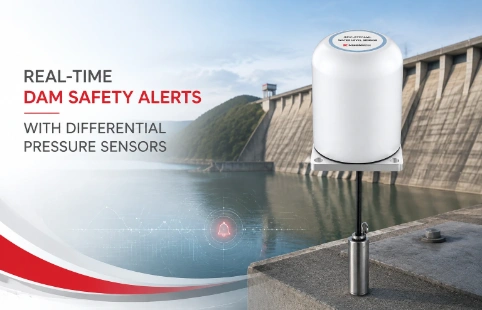
Real-Time Dam Safety Alerts with Differential Pressure Water Level Sensors
Key Takeaways An alert chain needs more than a sensor: define field in...

Wireless Data Logger with Low Power Consumption Design
Battery changes on a remote dam monitoring station aren't just inconvenient—they can throw off long-term data continuity. That's where low power consumption design becomes a practical concern, not just a spec sheet checkbox. For geotechnical engineers, the question isn't whether wireless data loggers can collect tilt, pressure, or displacement readings; it's how long they can keep doing it without someone hiking out with a new battery pack. Kingmach builds wireless data loggers with low power consumption design that aim to stretch service intervals far beyond what's typical, so crews spend less time on maintenance trips and more time on analysis. This focus comes from decades of supplying instruments for tunnels, slopes, foundations, and structural health—contexts where accessibility is low and reliability expectations are high. Instead of chasing headline numbers, the design prioritizes sleep modes that cut drain between scheduled readings and signal conditioning that doesn't waste energy on idle channels. The result is a logger that stays online through seasons, not weeks.
Technical Detail
Kingmach’s approach to the wireless data logger with low power consumption design centers on one thing: making sure the box you install today won’t demand attention for years. We engineer the sampling circuit to wake only when needed, so a typical configuration—say, one reading every 15 minutes—can run on internal lithium packs for well over 24 months. That estimate isn’t a lab trick; it assumes real-world sensor loads like vibrating wire piezometers or linear potentiometers connected through waterproof M12 interfaces. The logger’s firmware lets you adjust intervals per channel, and deep sleep currents stay below 50 µA, which keeps self-discharge from eating into field life. On the communication side, options span NB-IoT, 4G, and LoRa modems integrated directly onto the board, not as bolt-on dongles, so power handshakes are tightly managed. Compatibility extends to most common geotechnical sensors—vibrating wire, differential reluctance, 4-20 mA transmitters, thermistor strings—without external signal conditioners that would add their own drain. Kingmach also supports custom channel counts and enclosure ratings up to IP68 for submerged or high-humidity sites. Data heads to a cloud portal that handles calibration factors and timestamp alignment, which means the logger itself doesn’t waste cycles on number-crunching. That offloading is another layer of the low-power philosophy: do only the essential collection onsite and leave the heavy processing for servers. For projects where you’d rather not budget for quarterly battery swaps across 50 monitoring points, this wireless data logger with low power consumption design turns long-term autonomous recording from a wish into a specification you can actually field.
News
Key Takeaways An alert chain needs more than a sensor: define field in...
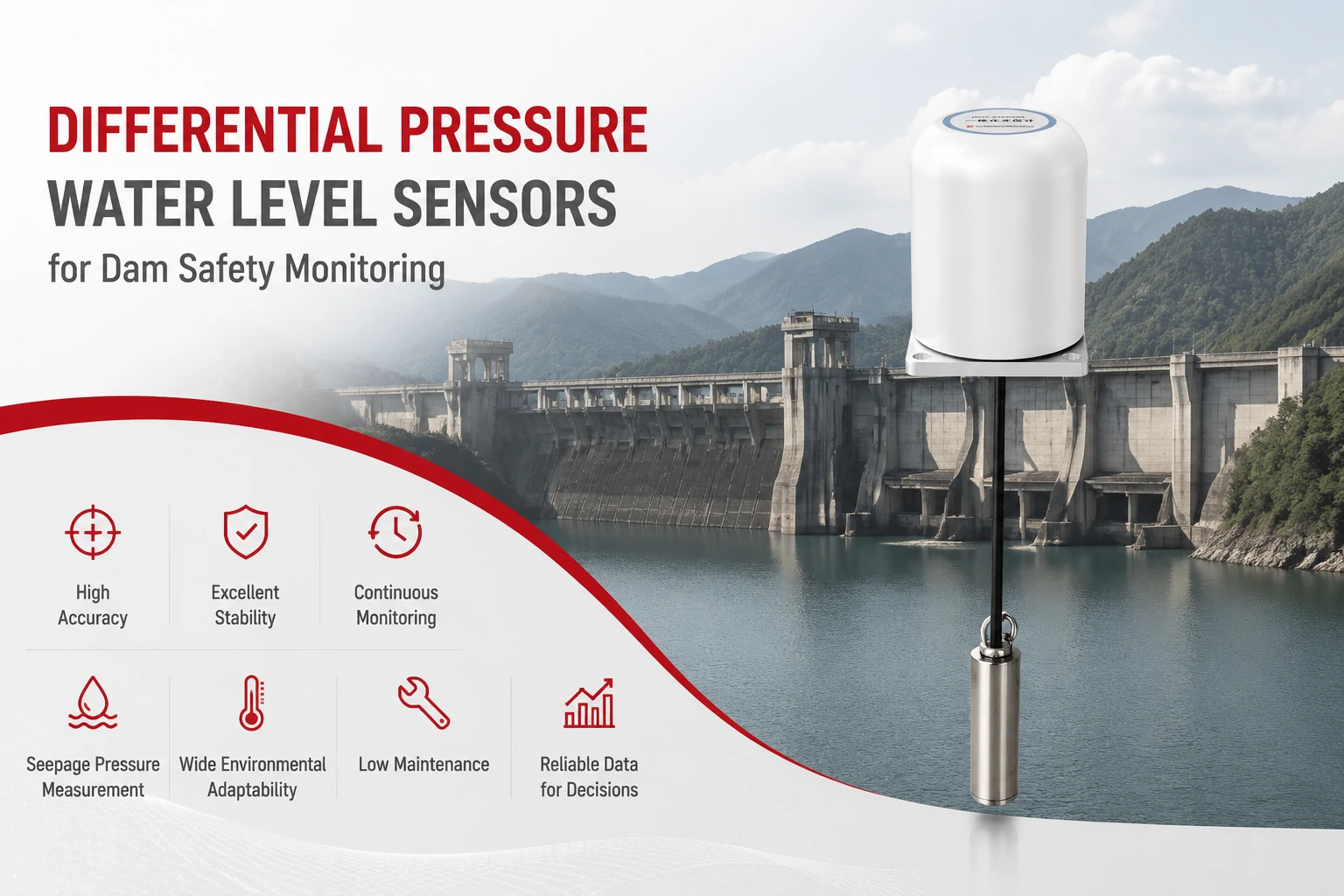
Key Takeaways The strongest fit is usually a confined, submerged, or s...
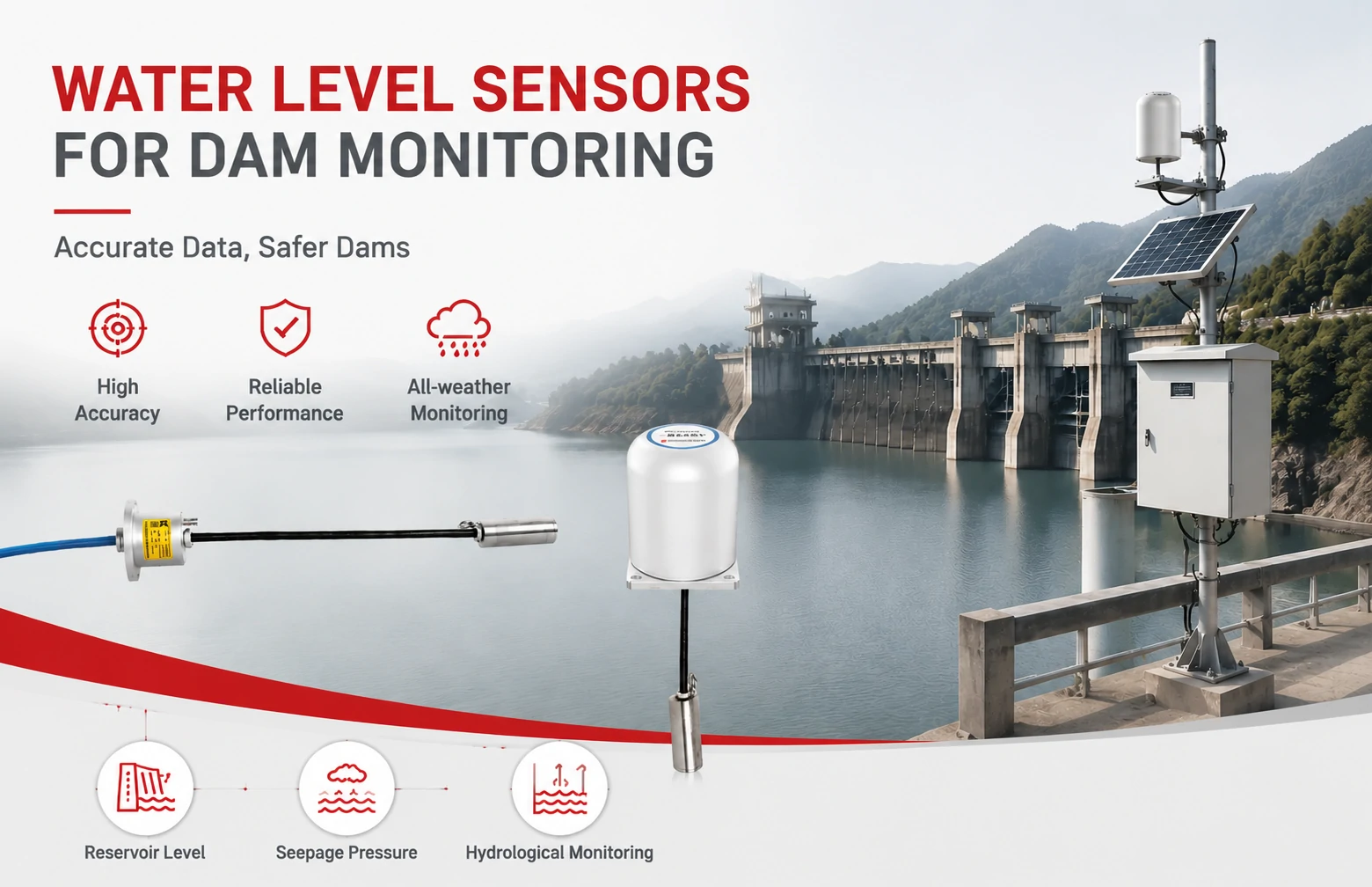
Kingmach Water Level Sensors for Dam Monitoring: A Buyer's Guide to Differential Pre...
Products
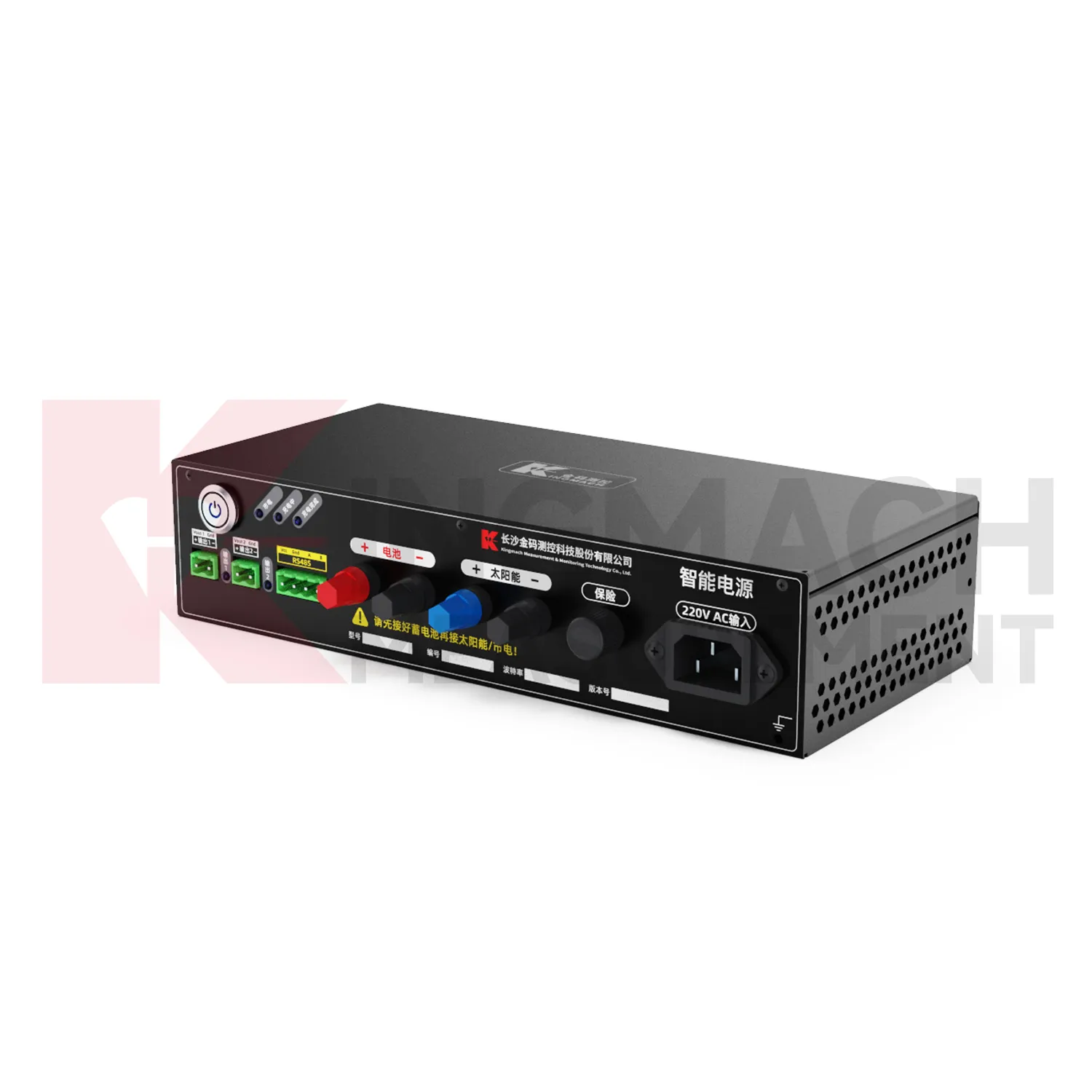
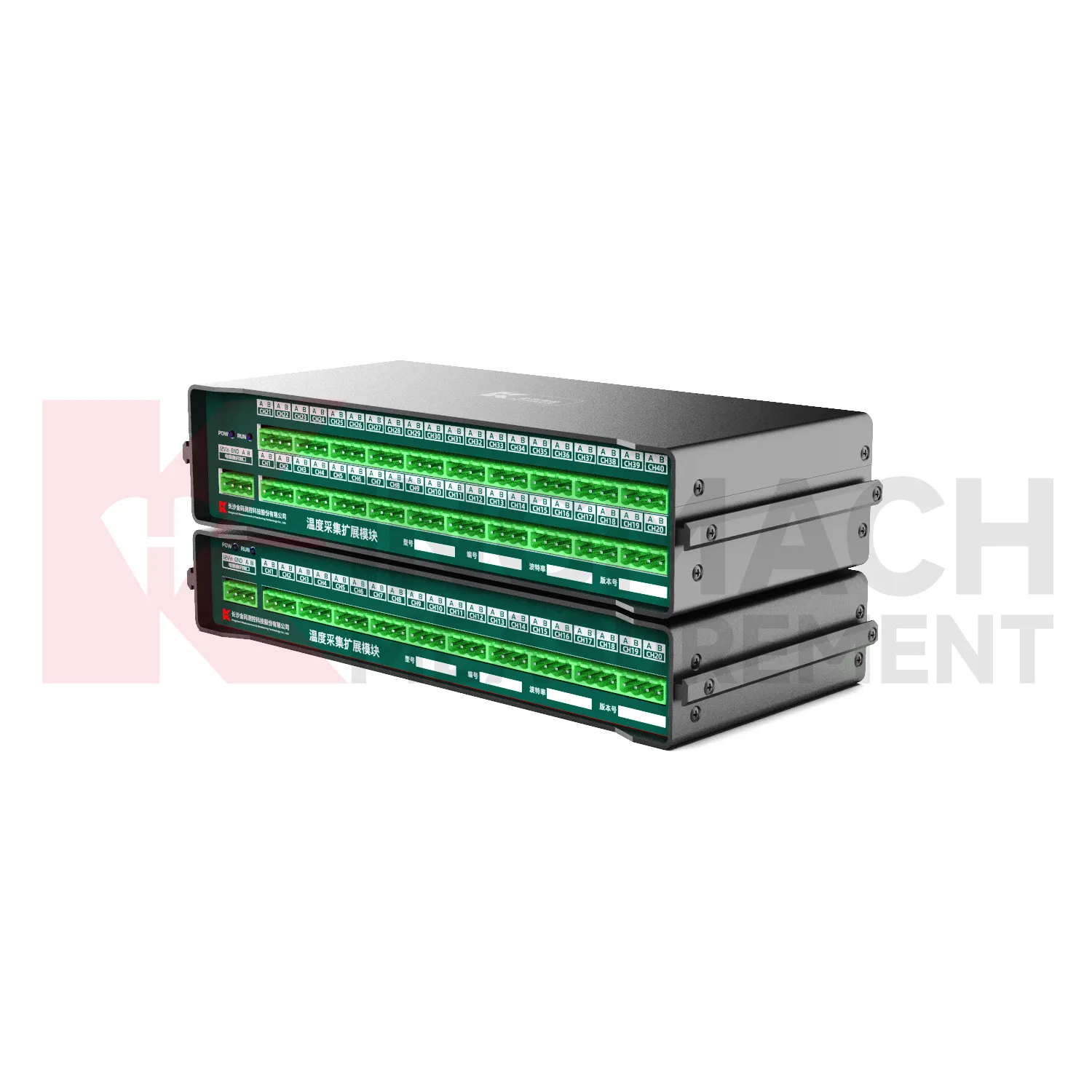
Temperature Acquisition Expansion Module JMWT-XXRTH
View Details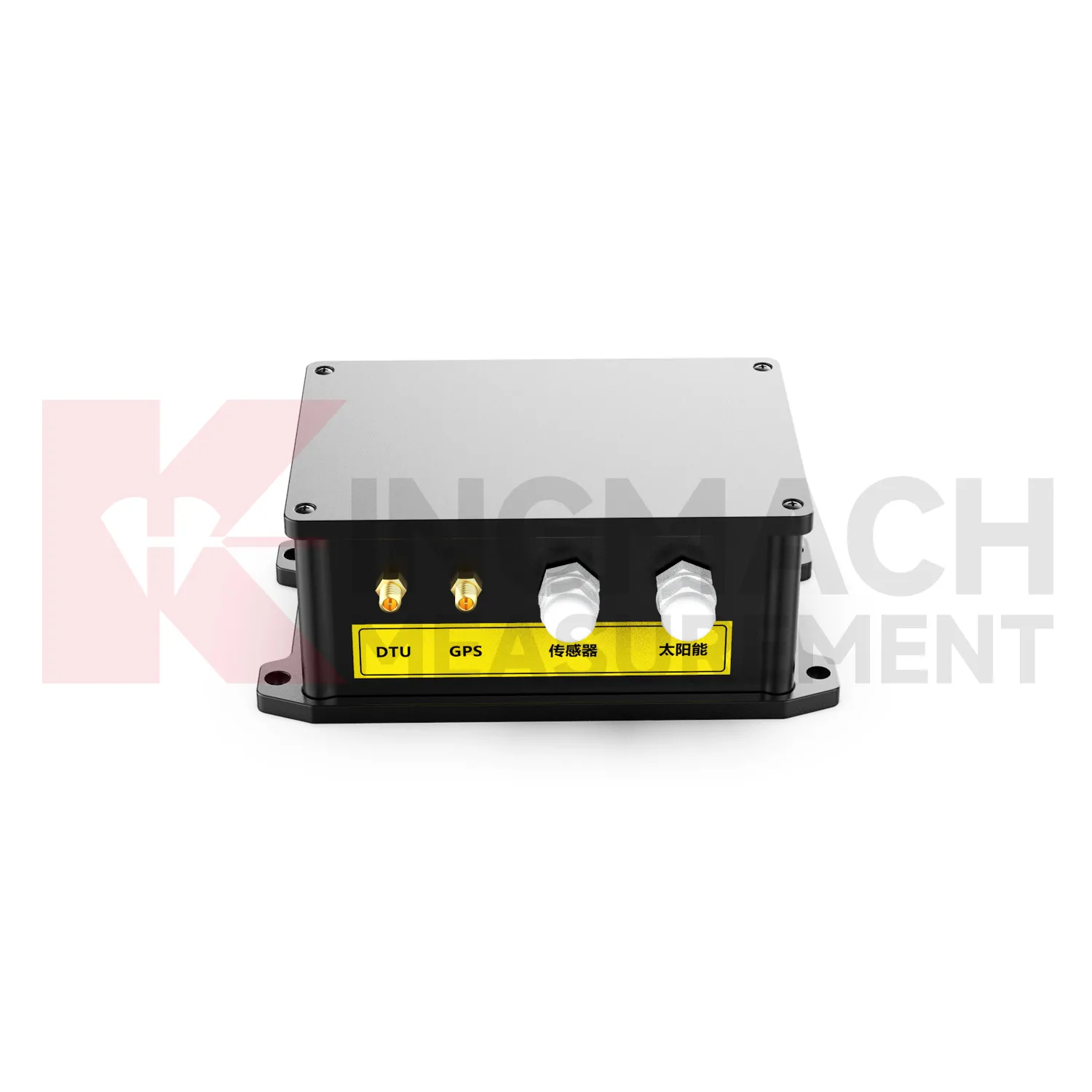
Wireless Data Logger (low power consumption design) JMWX-5RTU
View DetailsFAQ
Factory-configured models accept vibrating wire, differential reluctance (Carlson), 4-20 mA current loops, and thermistors directly through onboard signal conditioning. For less common sensors like MEMS tilt rods or digital inclinometers, a small interface module can be included, but the main board’s design keeps those paths shut down when not actively sampled to preserve low power consumption.
The logger can be set to acquire readings as often as once per second or as infrequently as once daily. Between acquisitions, the microprocessor and radio enter deep sleep, drawing microamps. This means even at the fastest rate, battery life is governed by the active measurement window—typical drain per sample is measured in millijoules, so configurable warm-up times for sensors help avoid wasting energy on fully powered but idle circuitry.
Onboard flash storage retains up to 120,000 readings (expandable), so no points are lost. When the link is restored, the logger backfills automatically. The memory management is designed to limit write cycles to reduce power spikes, using a rolling buffer that only erases the oldest block once it’s full, rather than constant rewriting.
Yes. The low power consumption design makes it feasible to pair with a small 5 W or 10 W panel and an MPPT charge controller that keeps a LiFePO4 pack topped off. In many installations, that setup lets the system run indefinitely without mains AC. Kingmach provides power budget calculators to match the panel and battery sizing to your location’s sun hours and sensor load.
Standard IP67 rating keeps out dust and temporary immersion. For sites prone to flooding or coastal salt spray, we offer IP68 sealed cases with Gore vents and desiccant packs. All external connectors are circular bayonet or M12 with O-ring seals. The rating applies with cables connected, and field tests at installations in Southeast Asian monsoon regions have shown no ingress over multiple wet seasons.
Share your product type, target capacity, and application requirements. Our team can review the details and recommend a practical next step.
If you are interested in our products or want to become our partner.
Please leave your contact information, our team will contact you as soon as possible.
Mail: [email protected]
Contact Us: +8613808434127
Address: No. 188 Tongzipo West Rd, Changsha, Hunan, China