
 EN
EN
 ar
ar bg
bg hr
hr cs
cs da
da nl
nl fi
fi fr
fr de
de el
el hi
hi it
it ko
ko no
no pl
pl pt
pt ro
ro ru
ru es
es sv
sv tl
tl iw
iw id
id lv
lv lt
lt sr
sr sk
sk sl
sl uk
uk vi
vi et
et hu
hu th
th tr
tr fa
fa ms
ms hy
hy ka
ka ur
ur bn
bn mn
mn ta
ta kk
kk uz
uz ku
ku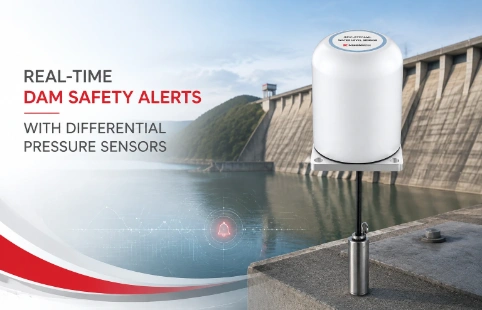
Real-Time Dam Safety Alerts with Differential Pressure Water Level Sensors
Key Takeaways An alert chain needs more than a sensor: define field in...

Lateral Accelerometer Sensor: When Sideways Motion Matters
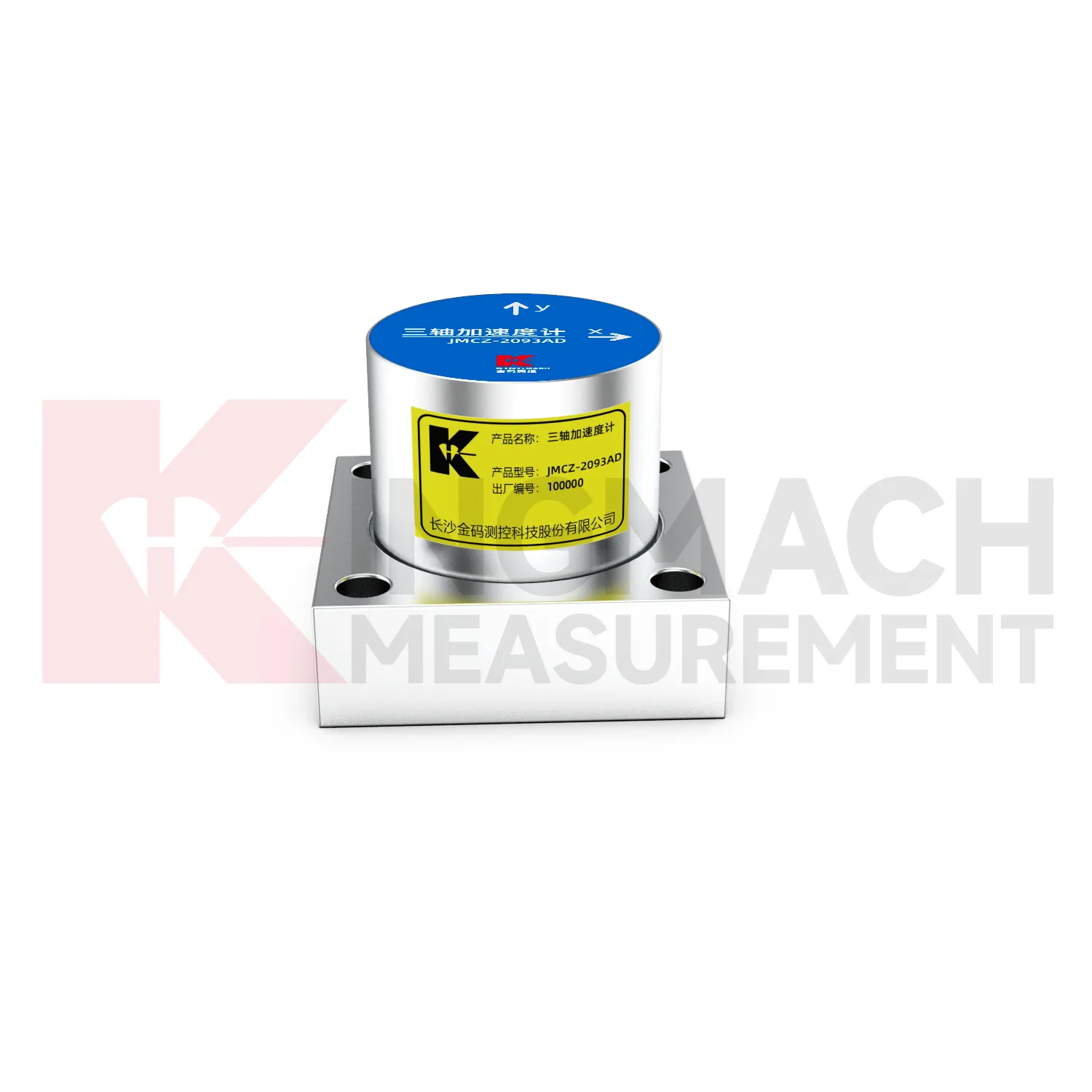
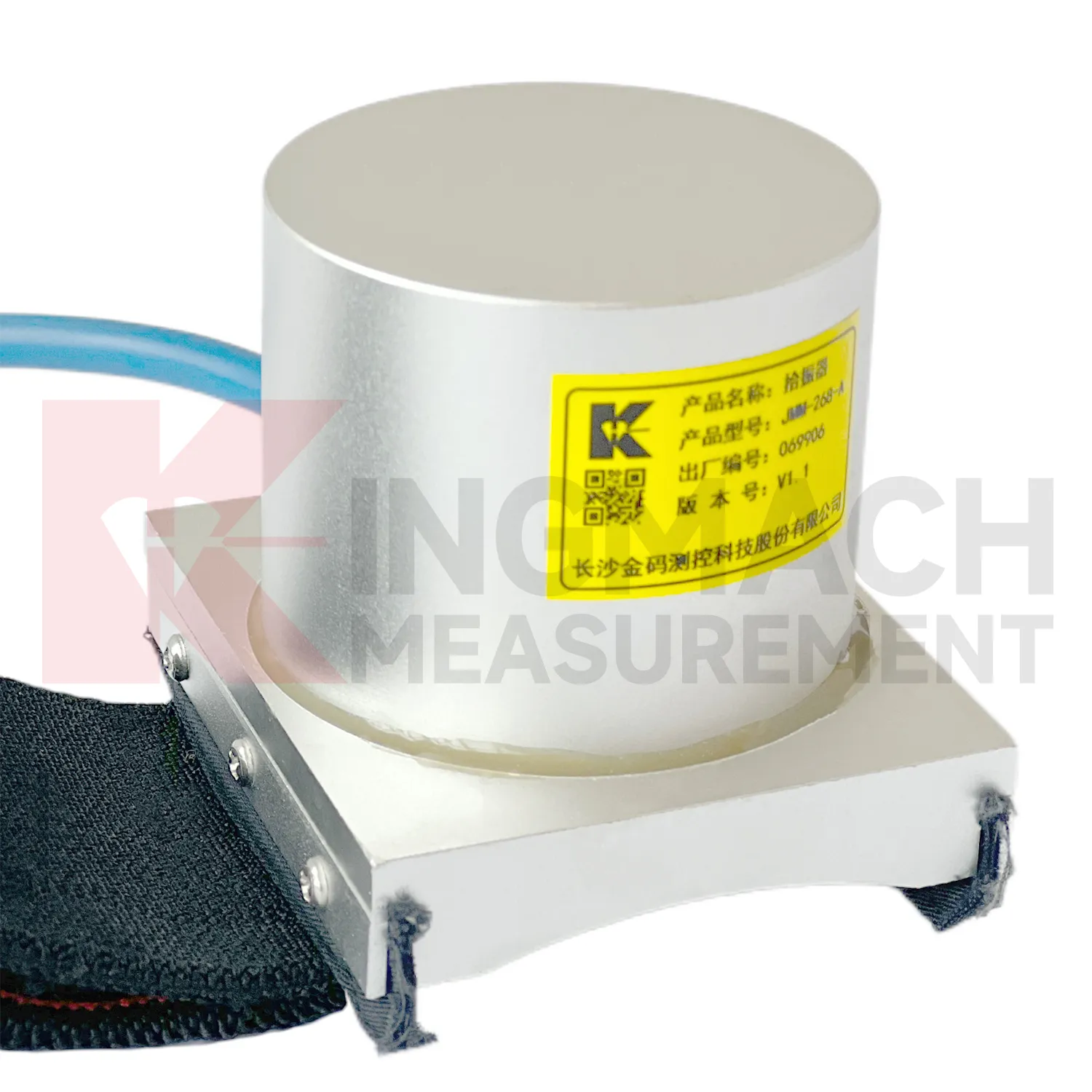
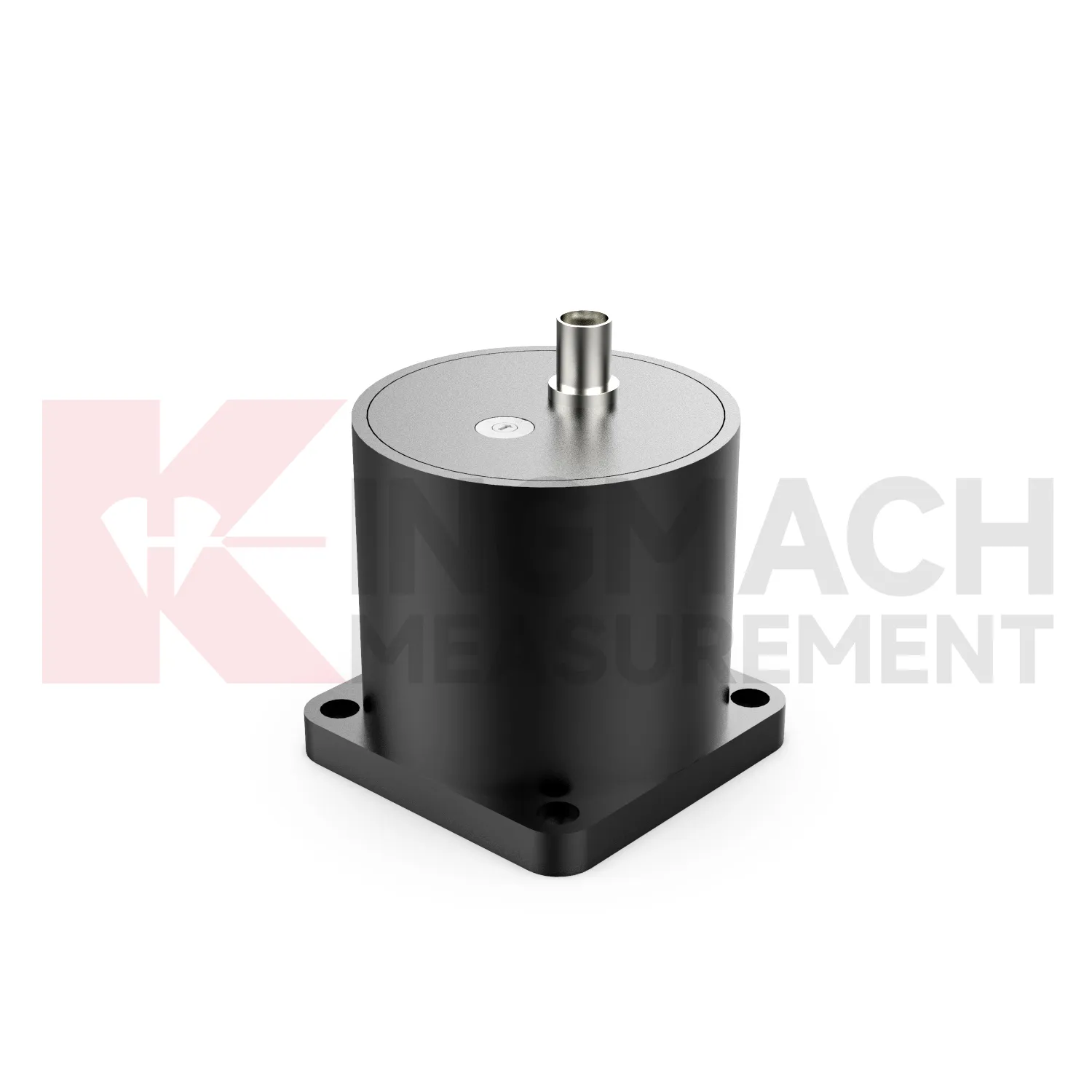
A bridge vibrates sideways in a crosswind. A high-rise sways during a minor tremor. Those lateral movements often carry the first sign of structural trouble, but most standard accelerometers only capture vertical motion. That’s where a dedicated lateral accelerometer sensor changes the story. It picks up the horizontal forces that can cause shear or racking, feeding data into early warning systems or long-term health monitoring. At Kingmach, this sensor isn’t a niche add-on—it’s a core part of how engineers track stability in dams, tunnels, and tall buildings. The company’s geotechnical background means the sensor is built for fieldwork: a solid sealed housing, simple mounting, and output that plays nice with common data loggers. Whether it’s temporary monitoring during construction or permanent installation on a bridge, the focus is on getting clean lateral acceleration data without fussing over alignment or drift.
Technical Detail
When you install accelerometers in the field, two challenges keep showing up: aligning the sensitive axis exactly with the direction of interest and dealing with environmental noise. A lateral accelerometer sensor from Kingmach addresses both with a design that’s inherently single-axis or biaxial, so you mount it flat against a wall or beam and capture horizontal vibration without cross-axis interference. The sensing element is MEMS-based or force-balanced, depending on the model, with a frequency range that covers typical structural modes—think 0 to a few hundred hertz. Housing is ruggedized IP67, and the cable exit is strain-relieved to avoid signal dropout during wind or minor ground shifts. In practice, this means a contractor can bolt the unit to a bridge pier next to a vibration crack and start streaming data within an hour. Kingmach also stocks accessories like adjustable brackets and shunt calibration modules, so you’re not waiting on custom parts. The product line spans low-g and high-g versions, and the team can adjust damping or output sensitivity if a project demands a non-standard range. While some suppliers treat lateral sensing as an afterthought, here it’s a production item with traceable calibration records and a test sheet showing bode plots of amplitude and phase linearity. That kind of documentation helps when a structural engineer needs to defend a safety assessment or when a monitoring spec requires ISO 17025 traceability.
News
Key Takeaways An alert chain needs more than a sensor: define field in...
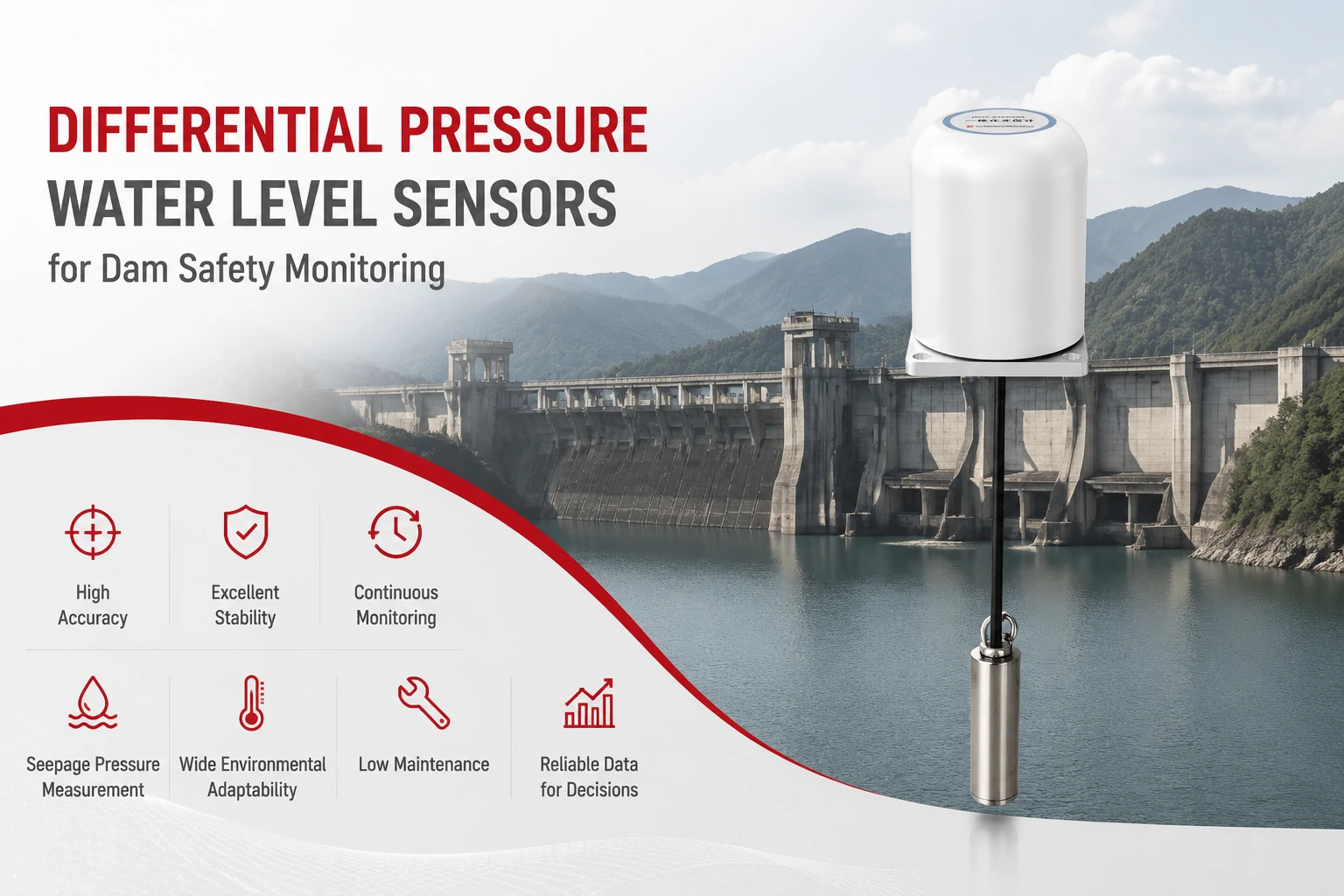
Key Takeaways The strongest fit is usually a confined, submerged, or s...
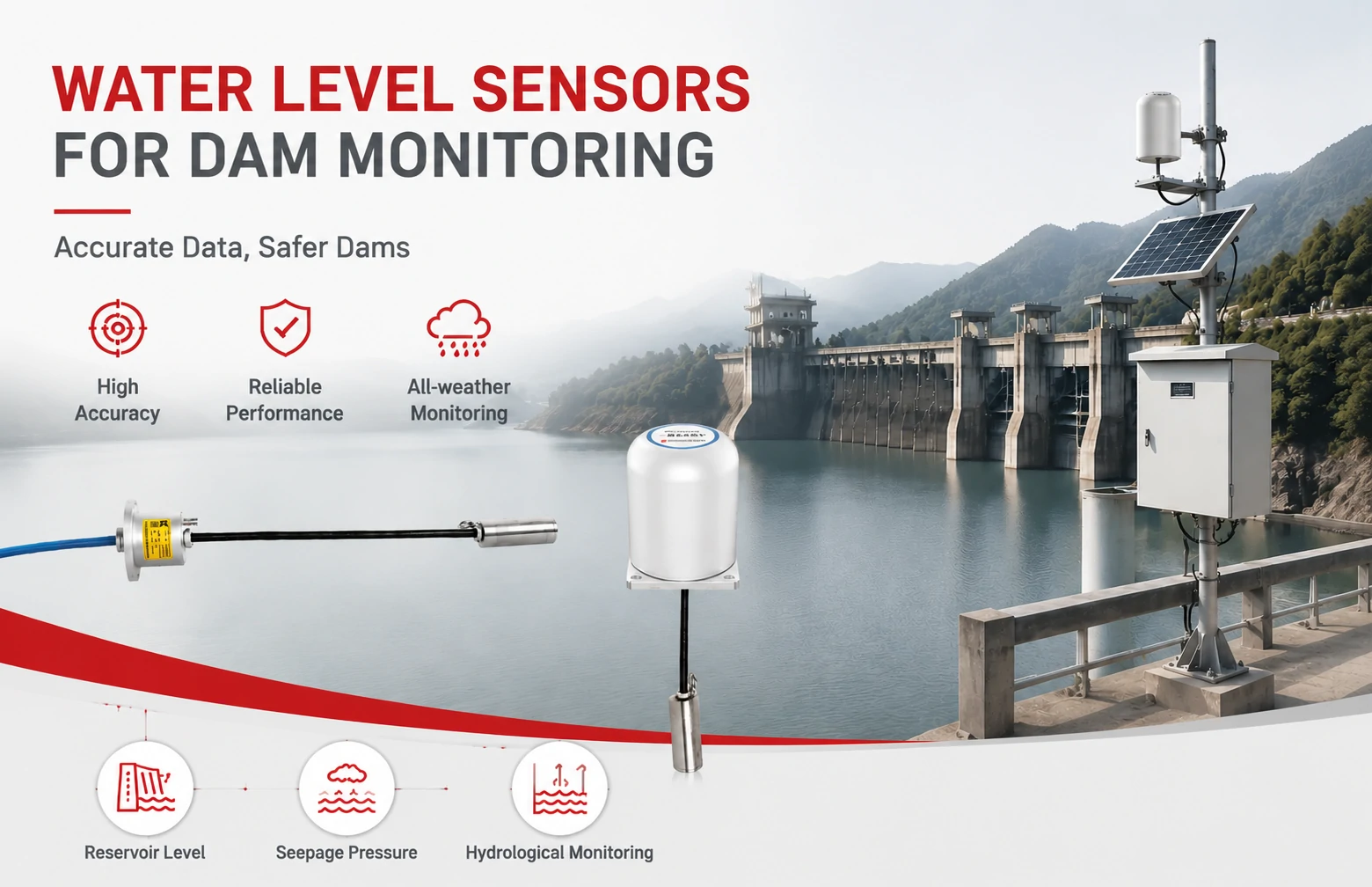
Kingmach Water Level Sensors for Dam Monitoring: A Buyer's Guide to Differential Pre...
Products
FAQ
A triaxial accelerometer gives you three orthogonal channels, but in many structural monitoring jobs only one or two horizontal axes are actually useful. A dedicated lateral sensor is simpler, often cheaper, and can be mounted flat against a surface without the need to orient a cube-shaped housing. It also reduces cabling if you’re only interested in horizontal motion.
Most accelerometers can sense gravity and therefore measure tilt, but the lateral models from Kingmach are optimized for dynamic vibration. If you need static inclination, you’d typically ask for a variant with DC response and specify the range. The team can advise on whether a combined vibration-tilt unit makes sense for your project.
Standard output is IEPE (ICP) voltage, which works with common data acquisition systems. 4-20 mA current loop is also common for industrial environments where cable runs are long. Some projects request digital output like RS-485, and Kingmach can integrate that on a custom basis.
Most units come with a drilled base plate or threaded stud. For temporary work, strong adhesives or magnetic bases work if the surface is flat and clean. On rough concrete, you’d epoxy a mounting block first. The key is making sure the base is rigid and the sensor axis is aligned horizontally—a bubble level or laser helps.
The standard housing is sealed to IP67, so rain, dust, and occasional submersion are fine. For arctic or desert conditions, Kingmach can specify wider temperature electronics and a sun shield. Customers in coastal areas sometimes request 316 stainless steel instead of aluminum to resist salt corrosion.
Share your product type, target capacity, and application requirements. Our team can review the details and recommend a practical next step.
If you are interested in our products or want to become our partner.
Please leave your contact information, our team will contact you as soon as possible.
Mail: [email protected]
Contact Us: +8613808434127
Address: No. 188 Tongzipo West Rd, Changsha, Hunan, China