
 EN
EN
 ar
ar bg
bg hr
hr cs
cs da
da nl
nl fi
fi fr
fr de
de el
el hi
hi it
it ko
ko no
no pl
pl pt
pt ro
ro ru
ru es
es sv
sv tl
tl iw
iw id
id lv
lv lt
lt sr
sr sk
sk sl
sl uk
uk vi
vi et
et hu
hu th
th tr
tr fa
fa ms
ms hy
hy ka
ka ur
ur bn
bn mn
mn ta
ta kk
kk uz
uz ku
ku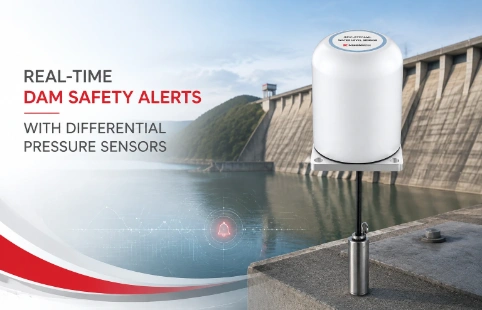
Real-Time Dam Safety Alerts with Differential Pressure Water Level Sensors
Key Takeaways An alert chain needs more than a sensor: define field in...

Load Cells and Strain Gauges for Precise Monitoring
Structural issues rarely show up overnight. They start as tiny shifts, invisible to the eye but measurable with the right instruments. Load cells and strain gauges turn these subtle changes into data, helping engineers spot stress, load, and deformation before they become serious. At Kingmach, we manufacture both types of sensors with a focus on consistent performance in harsh environments. Our range covers various configurations for different mounting and measurement needs, and most can be customized to match your project’s wiring, range, or physical dimensions. Whether you’re monitoring a dam, a deep excavation, or a bridge, we aim to deliver instruments that keep giving usable readings year after year. We work through a global distributor network, so local support and fast delivery are often possible. Just share your monitoring goal with us, and we’ll suggest a practical sensor setup.
Technical Detail
Kingmach specializes in geotechnical instruments, and load cells and strain gauges are a core part of our catalog. Our load cells cover various types including center-hole and anchor designs, while strain gauges include embedment and surface-mount options. Each sensor is built to work reliably in tough field conditions—extended temperature operation and moisture resistance are standard considerations in our designs. We don’t just ship a sensor and call it done. Customization is a real option: if you need a specific cable length, connector type, or modified measuring range, we can usually adjust. We also offer matching readout units and data loggers, so the full monitoring chain stays under one roof. Installation support and remote technical help come through our network, and our engineers often discuss data interpretation with site teams. Pricing is kept at a mid-range level—you’re not paying for a brand name, but you’re getting instruments that are widely used in retaining wall monitoring, pile load testing, tunnel convergence, and dam safety projects. Our goal is to make your monitoring setup work without constant re-calibration or data gaps.
News
Key Takeaways An alert chain needs more than a sensor: define field in...
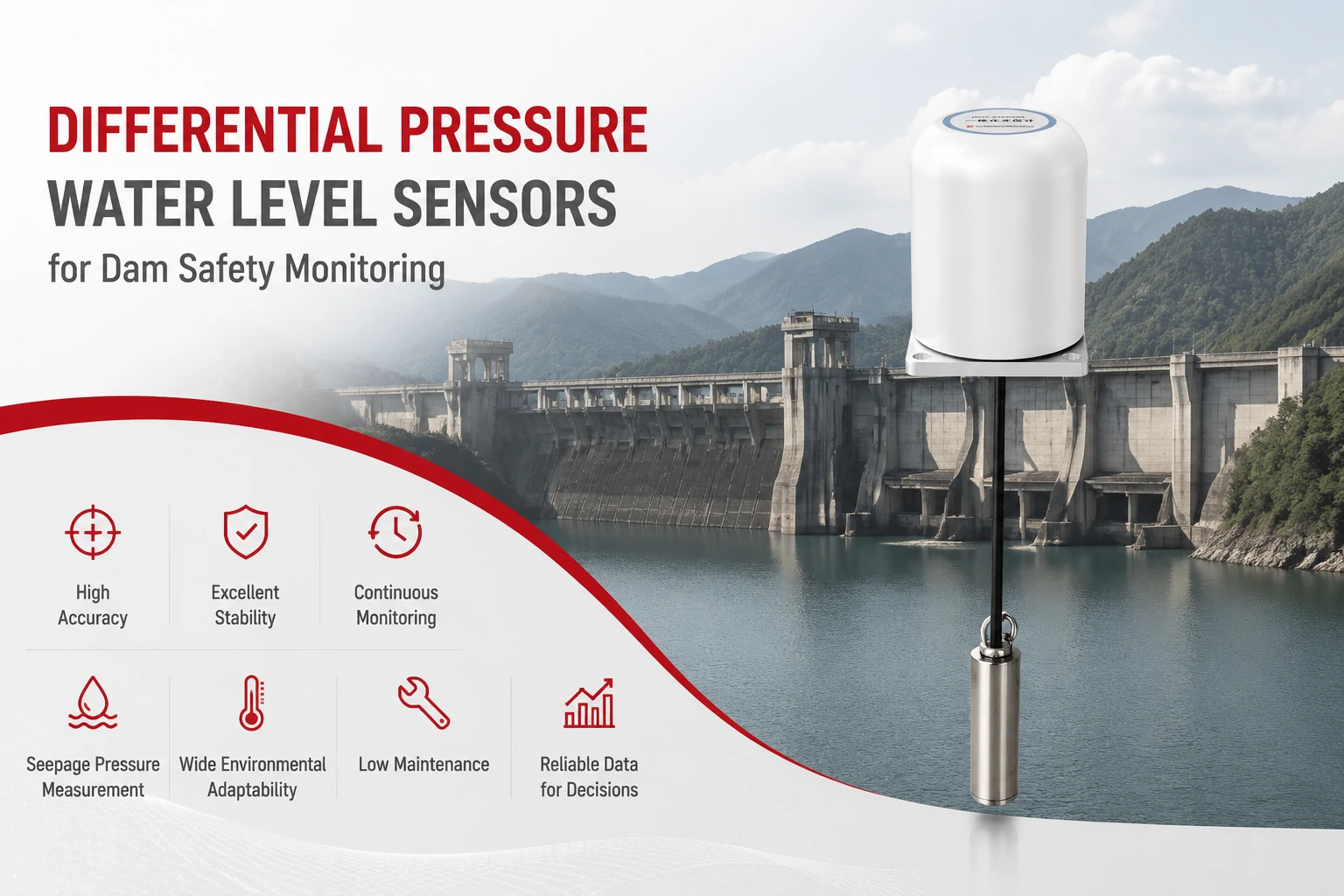
Key Takeaways The strongest fit is usually a confined, submerged, or s...
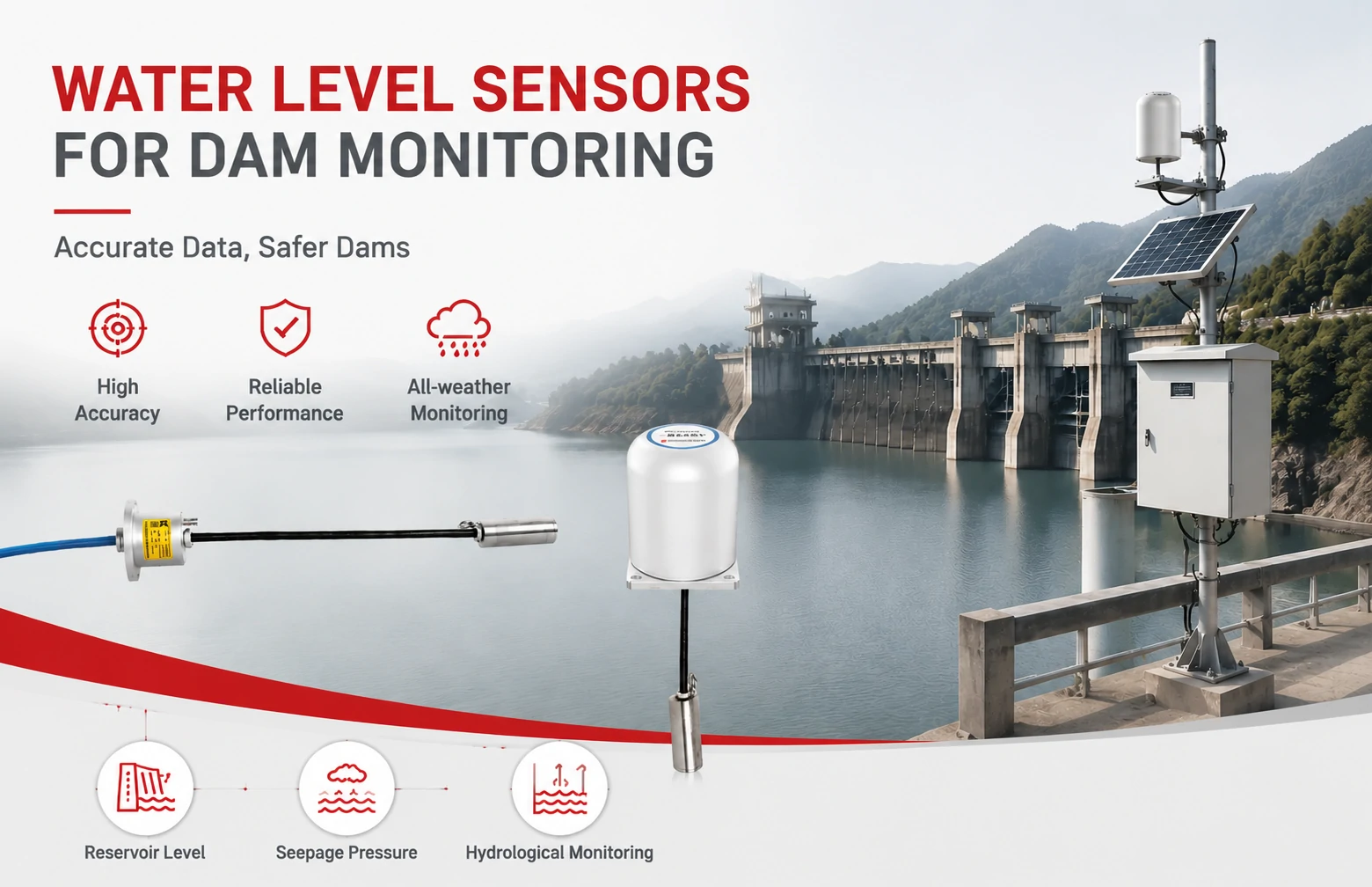
Kingmach Water Level Sensors for Dam Monitoring: A Buyer's Guide to Differential Pre...
Products
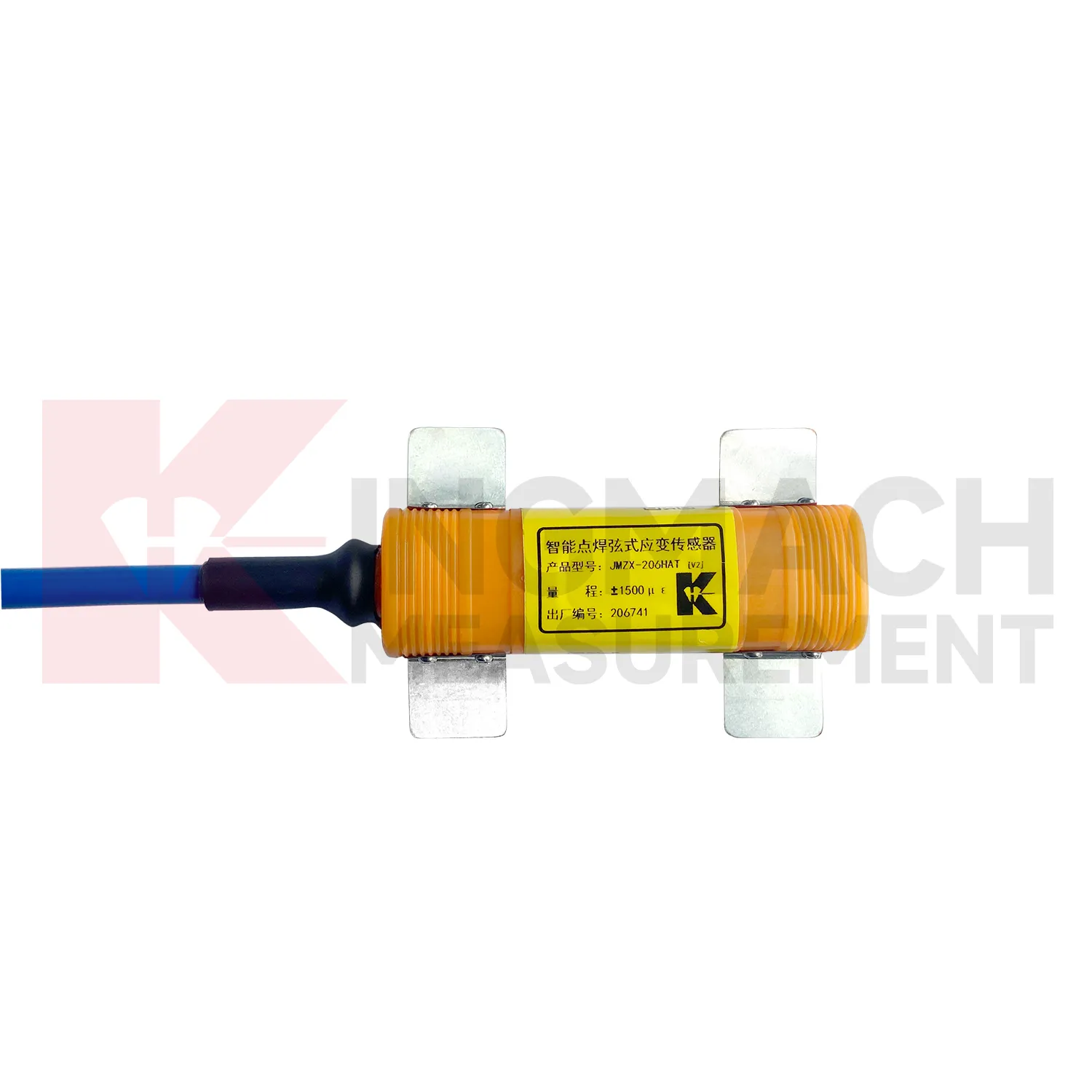
Smart vibrating wire strain gauge (surface welded model) JMZX-206HAT
View Details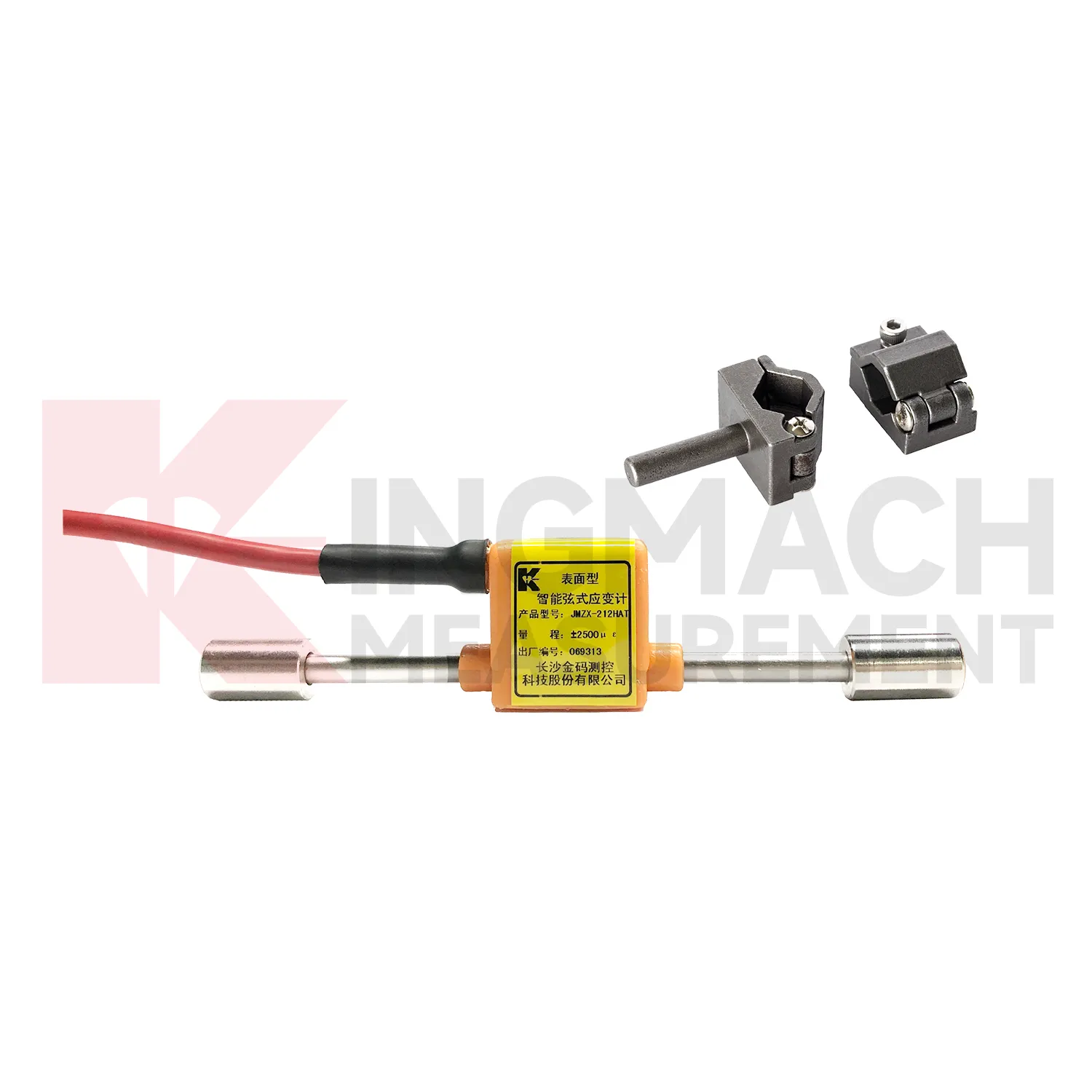
Smart vibrating wire strain gauge (surface model) JMZX-212HAT/HB
View Details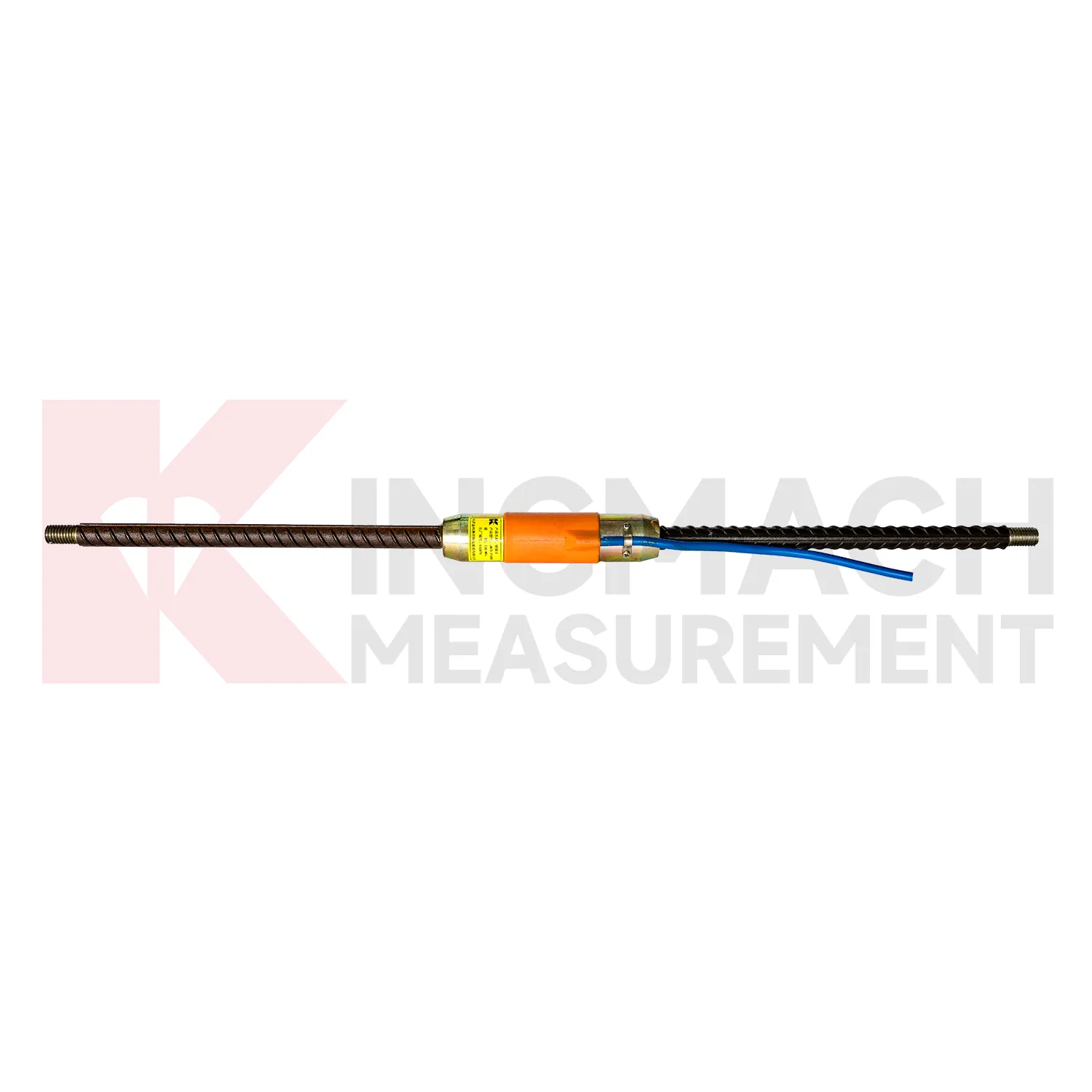
Rebar Strainmeters ( VW & Smart Type) JMZX-4XXHAT/HB
View DetailsFAQ
A load cell is a complete sensor that measures force or weight and outputs a signal, usually mV/V or 4-20mA. A strain gauge is the sensing element itself—a thin foil pattern that measures deformation at a point. Load cells often contain multiple strain gauges in a Wheatstone bridge arrangement. If you need to measure total load on an anchor or bolt, you'd choose a load cell. If you need to measure strain on a steel beam or concrete surface, a strain gauge is the right tool.
Yes, we regularly customize dimensions, cable lengths, and measurement ranges. We can also adjust the output signal type if your data logger requires something specific. Just send us your requirements, and our engineering team will check feasibility.
For our surface-mount strain gauges, you clean and smooth the area, apply adhesive, and fix the gauge in place, followed by a protective cover. We provide installation manuals and can guide your team remotely. For critical applications, we recommend our embedment strain gauges that are cast directly into the concrete.
Standard cable lengths range from 5 to 100 meters, longer on request. Field extensions are possible if you match the cable type and use proper junction boxes, but this can affect signal. We advise pre-ordering the right length to avoid splicing.
Our load cells and strain gauges are designed for stability, but calibration depends on usage and environment. We recommend a yearly check for critical measurements. We can recalibrate at our facility if you send instruments back, or provide reference data for your site crew.
Share your product type, target capacity, and application requirements. Our team can review the details and recommend a practical next step.
If you are interested in our products or want to become our partner.
Please leave your contact information, our team will contact you as soon as possible.
Mail: [email protected]
Contact Us: +8613808434127
Address: No. 188 Tongzipo West Rd, Changsha, Hunan, China