
 EN
EN
 ar
ar bg
bg hr
hr cs
cs da
da nl
nl fi
fi fr
fr de
de el
el hi
hi it
it ko
ko no
no pl
pl pt
pt ro
ro ru
ru es
es sv
sv tl
tl iw
iw id
id lv
lv lt
lt sr
sr sk
sk sl
sl uk
uk vi
vi et
et hu
hu th
th tr
tr fa
fa ms
ms hy
hy ka
ka ur
ur bn
bn mn
mn ta
ta kk
kk uz
uz ku
ku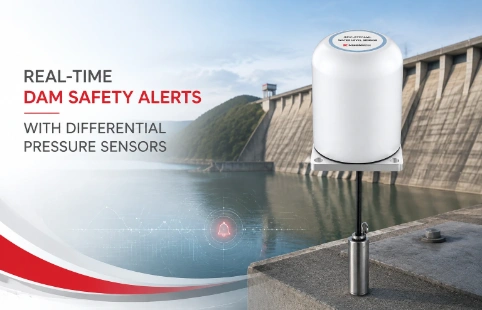
Real-Time Dam Safety Alerts with Differential Pressure Water Level Sensors
Key Takeaways An alert chain needs more than a sensor: define field in...

Load Cell Unit of Measurement: What Engineers Need to Know
If you’ve ever pulled a load cell datasheet and scanned straight to the rated output, you know the unit of measurement is the first thing that makes or breaks compatibility. A sensor rated in kilograms looks nothing like one in kilonewtons or pounds, yet buyers often assume all load cells speak the same language. Kingmach produces geotechnical sensors for monitoring projects where mixing up units isn’t just a paperwork error—it can throw off safety margins or cause data mismatches in the field. This page lays out which units are commonly used, why the difference matters, and how our team helps customers match the right output to their existing readout equipment.
Technical Detail
Load cell measurement units depend on the sensor’s strain gauge bridge and its calibration. Most manufacturers offer rated capacities in units of mass (kg, t, lb) or force (N, kN, lbf), and the choice isn’t always a simple preference. For geotechnical applications—anchor load monitoring, pile testing, retaining wall tie-backs—force units like kN are typical because they line up with structural design calculations. Mass units like kg are common in weighing applications. Kingmach’s load cells are calibrated with traceable standards and can be ordered with output in mV/V, 4–20 mA, or digital signals like RS485. We often provide custom scaling so that the sensor’s full scale matches a customer’s existing data logger range—say, 0–1000 kN giving a 4–20 mA output. That avoids the awkward situation of a 500 kN sensor plugging into a logger scaled for 500 kg, which leads to readings that are off by a factor of about 102. What often gets overlooked is that the unit also affects overload ratings and fatigue life. A sensor rated 1000 lbf isn’t the same mechanical design as one rated 4.45 kN, even though the conversion is simple. Thread sizes, mounting hardware, and even the strain gauge pattern may change. Our technical team walks through these points during the specification phase, especially for customized orders where the customer needs non-standard units or dual-range outputs. We also support on-site recalibration when units need to be switched after installation, which is common in international projects where local engineering standards shift from imperial to SI units mid-project.
News
Key Takeaways An alert chain needs more than a sensor: define field in...
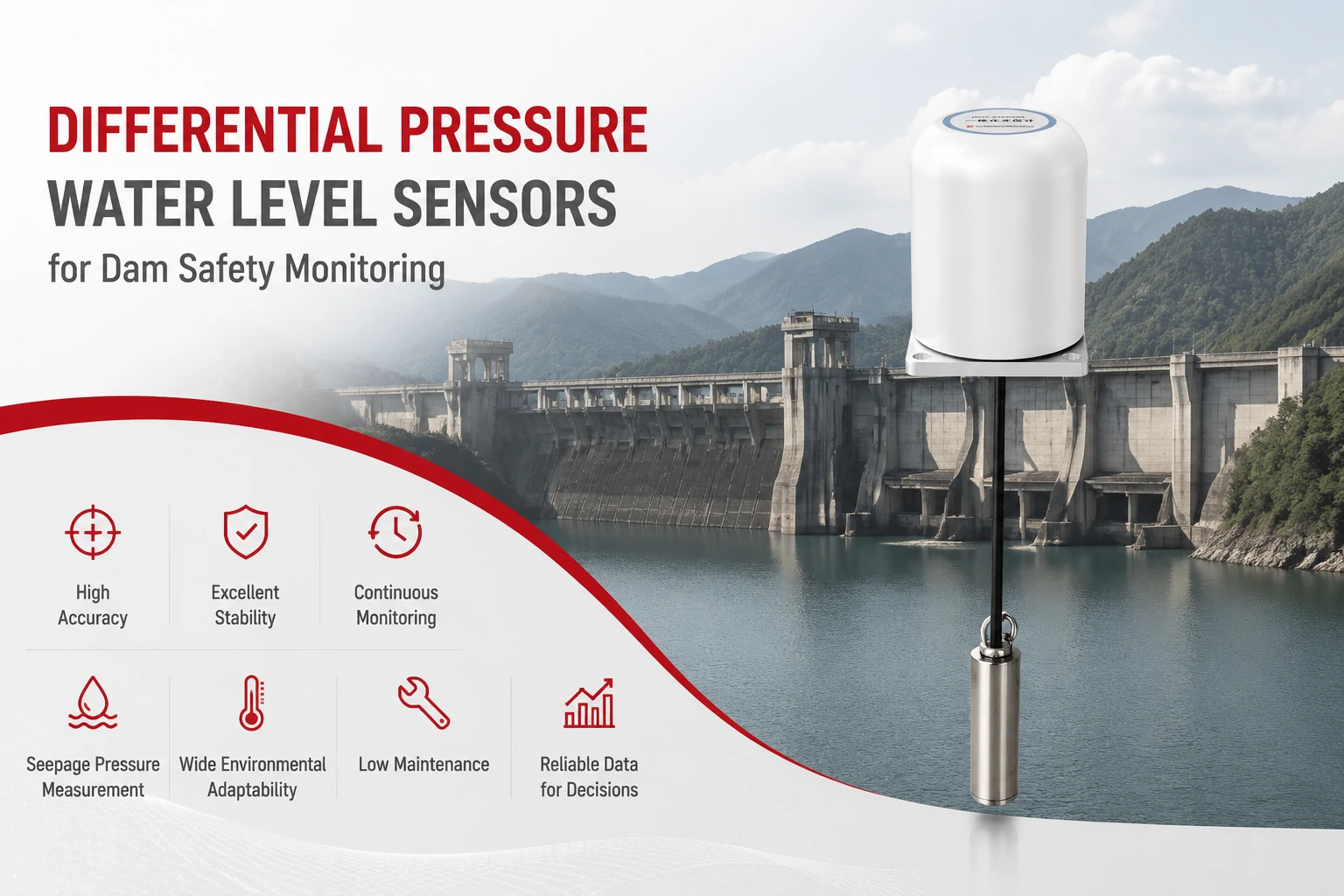
Key Takeaways The strongest fit is usually a confined, submerged, or s...
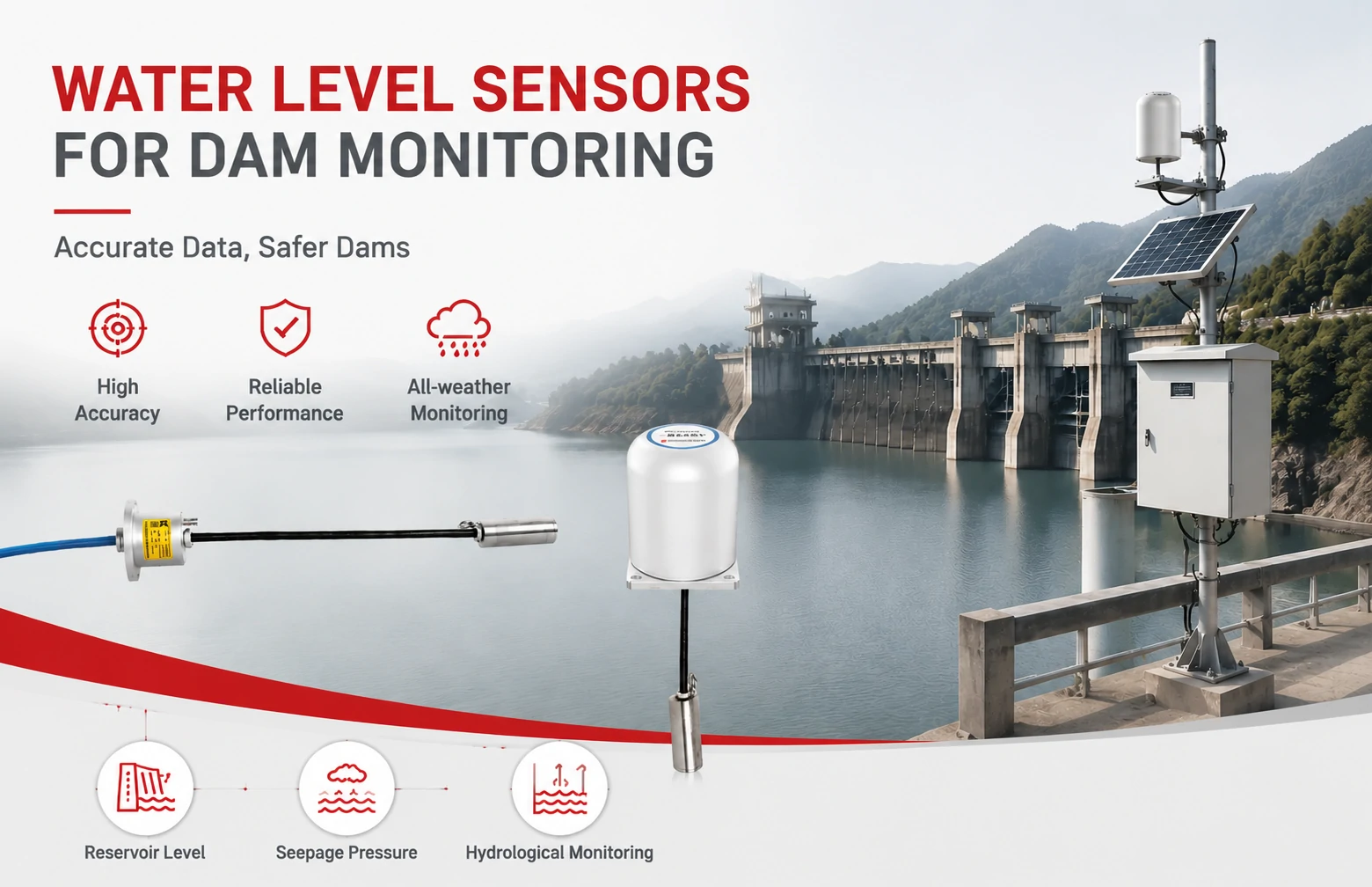
Kingmach Water Level Sensors for Dam Monitoring: A Buyer's Guide to Differential Pre...
Products
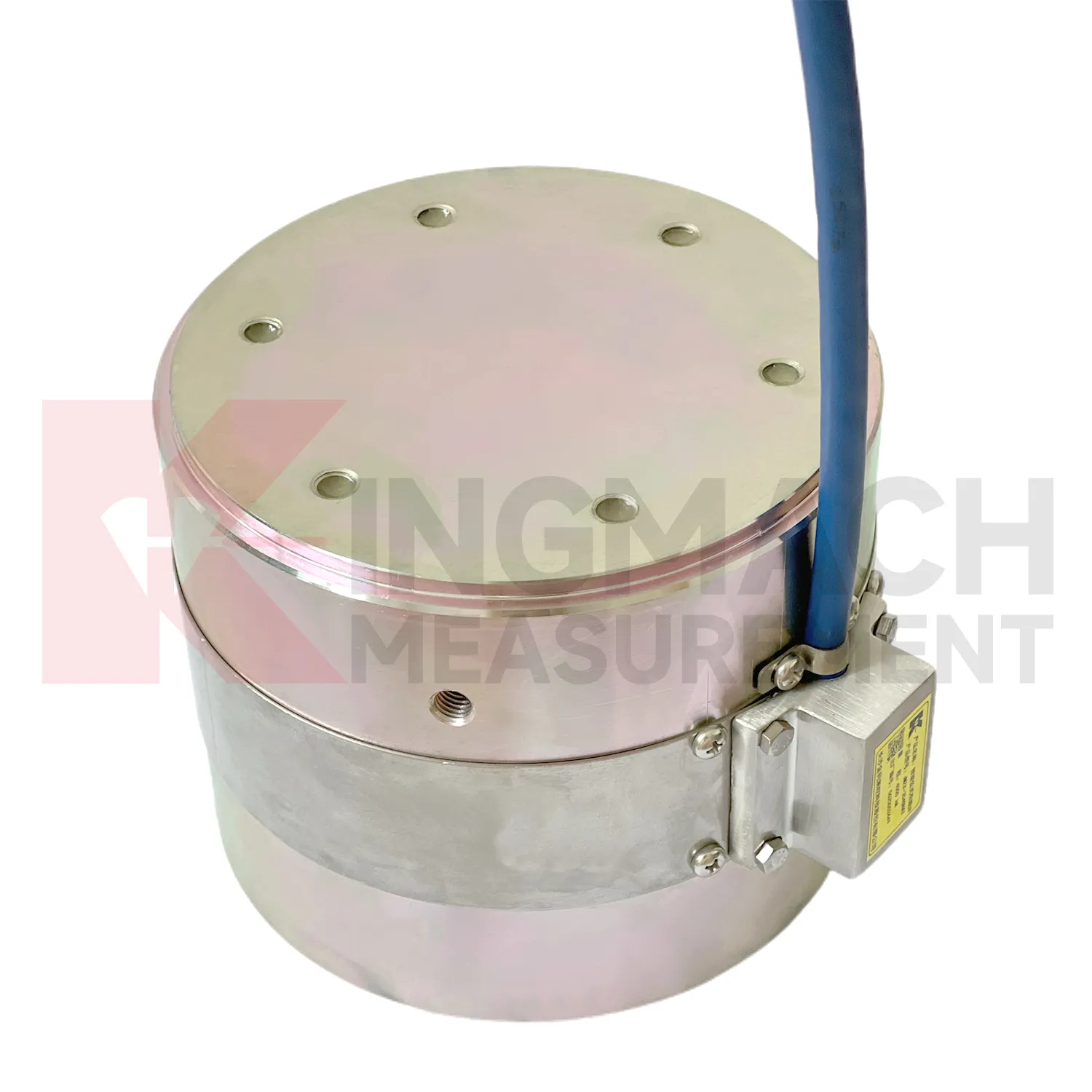
Solid load cell JMZX-34XXHAT、35XXHAT、36XXHAT
View Details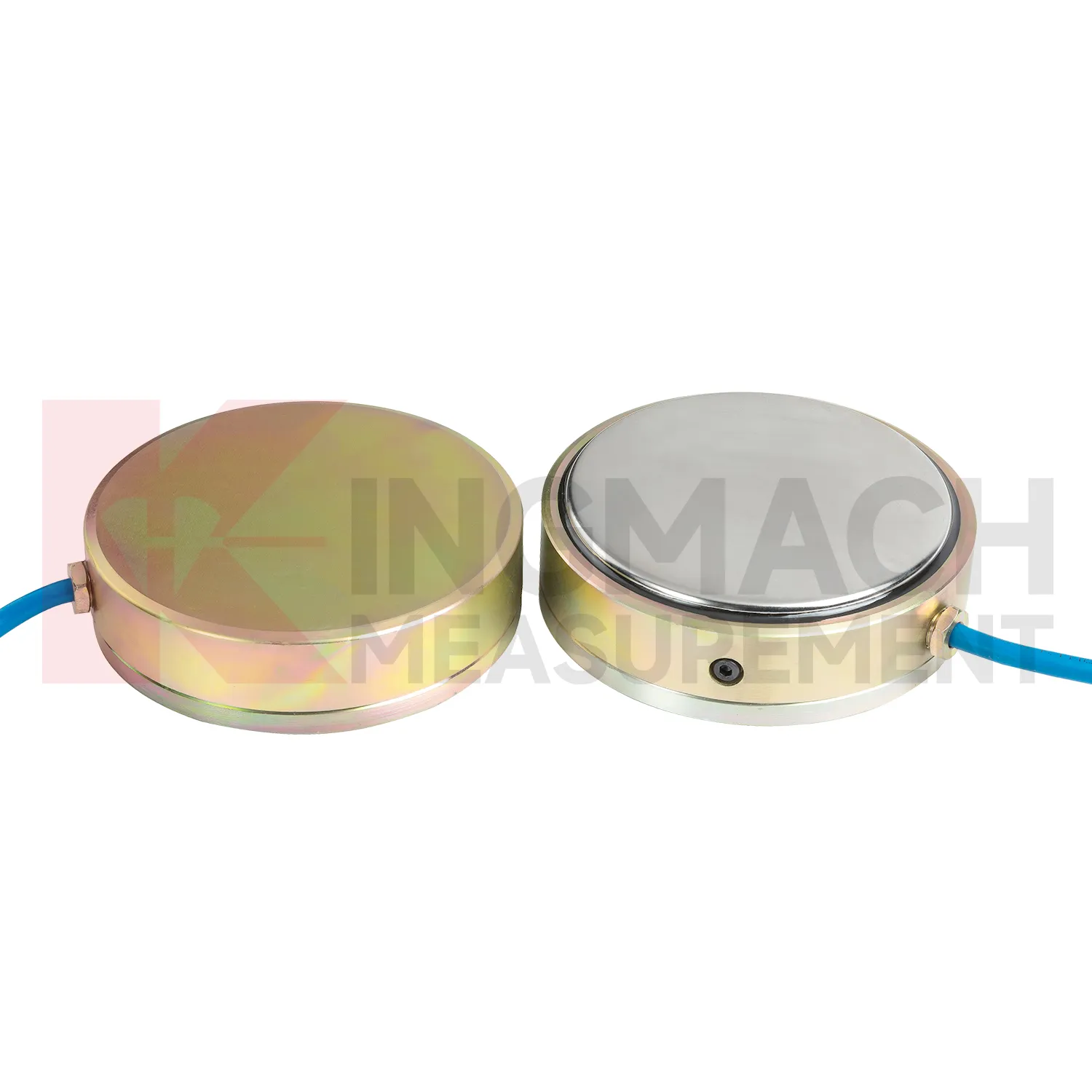
Earth Pressure Cell ( VW & Smart Type) JMZX-50XXAT/ ATM
View DetailsLarge Earth Pressure Cell ( VW & Smart Type) JMZX-51XXAT/ ATM
View DetailsFAQ
It depends on the industry. In geotechnical and structural monitoring, kilonewtons (kN) is standard because it’s the SI unit of force. In weighing and industrial scale applications, kilograms (kg) or pounds (lb) are typical. Force units are based on mass × acceleration, so a 100 kg mass exerts roughly 0.981 kN under gravity. Always check the sensor’s intended use.
Yes, digital load cells with RS485 or CANbus output can often be programmed to send data in multiple units. For analog sensors (mV/V, 4–20 mA), the output is just a scaled signal, so the unit is determined by how you configure your readout. Kingmach can pre-label the sensor with dual unit calibration and supply a calibration sheet showing equivalents.
The unit itself doesn’t change the sensor’s accuracy, but the scaling can. If you use a 1000 kg load cell and set your logger to read in lbf, you may lose resolution because the conversion introduces decimal places. The best practice is to match the sensor’s native unit to your measurement system’s full scale. We help customers pick the right range to keep the error band within their project’s tolerance.
Share your product type, target capacity, and application requirements. Our team can review the details and recommend a practical next step.
If you are interested in our products or want to become our partner.
Please leave your contact information, our team will contact you as soon as possible.
Mail: [email protected]
Contact Us: +8613808434127
Address: No. 188 Tongzipo West Rd, Changsha, Hunan, China