
 EN
EN
 ar
ar bg
bg hr
hr cs
cs da
da nl
nl fi
fi fr
fr de
de el
el hi
hi it
it ko
ko no
no pl
pl pt
pt ro
ro ru
ru es
es sv
sv tl
tl iw
iw id
id lv
lv lt
lt sr
sr sk
sk sl
sl uk
uk vi
vi et
et hu
hu th
th tr
tr fa
fa ms
ms hy
hy ka
ka ur
ur bn
bn mn
mn ta
ta kk
kk uz
uz ku
ku
Real-Time Dam Safety Alerts with Differential Pressure Water Level Sensors
Key Takeaways An alert chain needs more than a sensor: define field in...

Mounting Load Cells That Fit Your Weighing Needs
A weighbridge that drifts by a few kilos every week isn’t just a nuisance—it throws off billing, inventory, and trust. Kingmach mounting load cells take aim at the root cause: shaky mechanical coupling. Instead of forcing one sensor shape into every silo leg or tank bracket, we start with the installation geometry. Our range spans low-profile shear beams, tension S-beams, and compression canisters, each engineered to bolt into existing structures without cutting, welding, or guesswork. What ties them together is a shared approach: the load cell mounting kit is designed as a unit—base plates, spherical washers, rocker columns—so that alignment errors don’t eat into accuracy. Contractors who run multi-site projects tell us this matters when concrete pads settle or thermal expansion kicks in. For monitoring applications that sit in remote bolt stations or avalanche-prone slopes, the same rigging discipline applies: a sensor that’s mounted wrong is just dead weight. We’ve shipped to dozens of countries, often with tailored thread sizes or IP ratings for dusty feed mills, washdown-ready food lines, and seismic zones. That flexibility means you’re not left redrilling steel on site. Whether you’re designing a hopper scale or retrofitting crane overload protection, the starting point is a mounting load cell that respects the real estate it sits in.
Technical Detail
In industrial weighing, the instrument is only half the story. The way a load cell is mounted often accounts for most of the recurring drift, overload damage, and cable snap issues that trigger service calls. Kingmach mounting load cells address this by pairing the sensing element with a matched mounting assembly that pins down the force vector and isolates side loads. Typical configurations include double-ended shear beams for truck scales—often supplied with hardened rocker columns and base plates that spread impact over a larger footprint—and single-point load cells for bench scales, belt weighers, and dynamic checkweighers. Our engineers select materials based on the environment: alloy steel cells with electroless nickel plating for dry indoor batching, stainless steel cells with laser-welded seals for food wetting zones. Output options like 2mV/V or 4-20mA loops let you plug into PLCs directly. We hold stock of capacities from 100 kg to 200 t, but most orders involve some tweak: extended cables with PUR jackets for UV resistance, metric mounting threads for European grating, or ATEX-certified versions for grain dust. Force introductions matter. A canister-style compression load cell, when mounted with a captive spherical washer set, will repeat to 0.02% of rated output even if the support plate isn’t perfectly flat—something our field reports confirm down to a few microns of settlement. For tension weighing, our S-type cells ship with rod-end bearings that take out 2–3 degrees of angular misalignment without sacrificing sensitivity. On the service side, we stock glands, clevises, and base plates so you’re not waiting weeks for a $30 spare part. Many customers come to us after a generic sensor fails because the mounting hardware was too rigid or too sloppy. In those cases, we’ll review photos and recommend a mounting kit that respects the specific thermal range and vibration profile. The end goal is consistent numbers on the HMI, not a year of warranty adjustments. We’ve applied this logic to geotechnical monitoring too: anchor load cells for tieback testing and rock bolt proofing use the same focus on pure axial loading. With a global distribution network, we can ship assemblies from stock and provide local-language wiring guides and calibration certificates traceable to national standards.
News
Key Takeaways An alert chain needs more than a sensor: define field in...
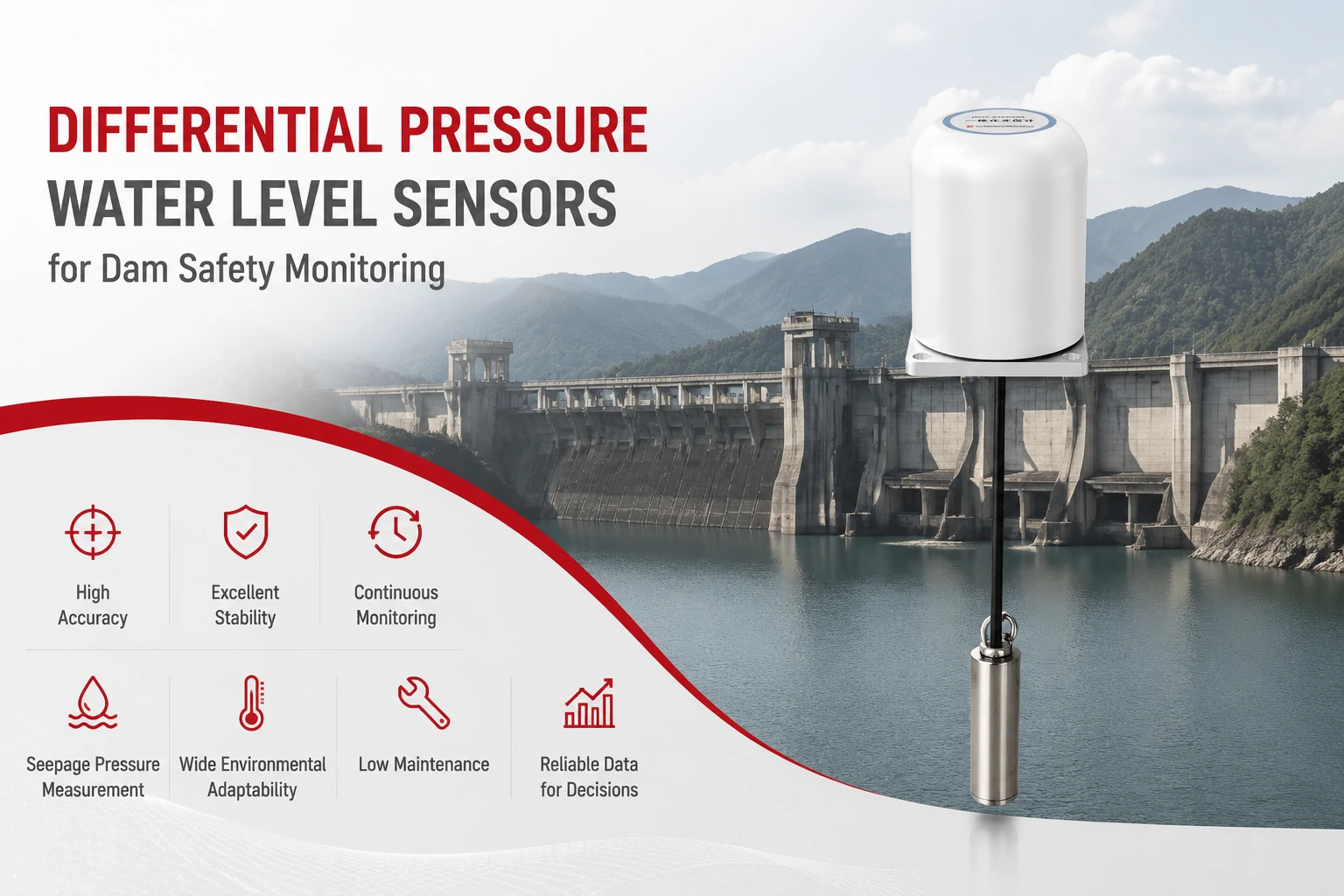
Key Takeaways The strongest fit is usually a confined, submerged, or s...
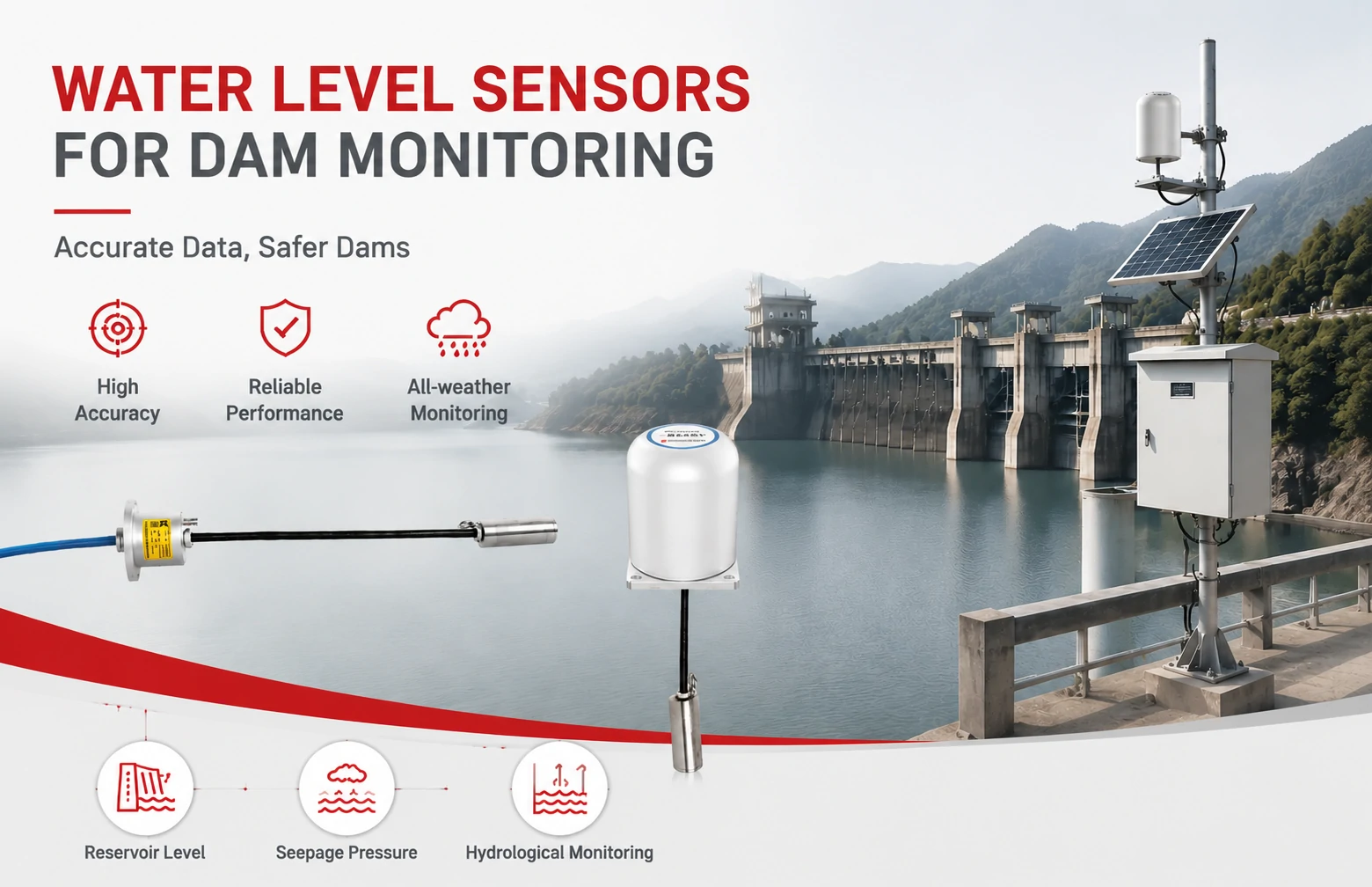
Kingmach Water Level Sensors for Dam Monitoring: A Buyer's Guide to Differential Pre...
Products
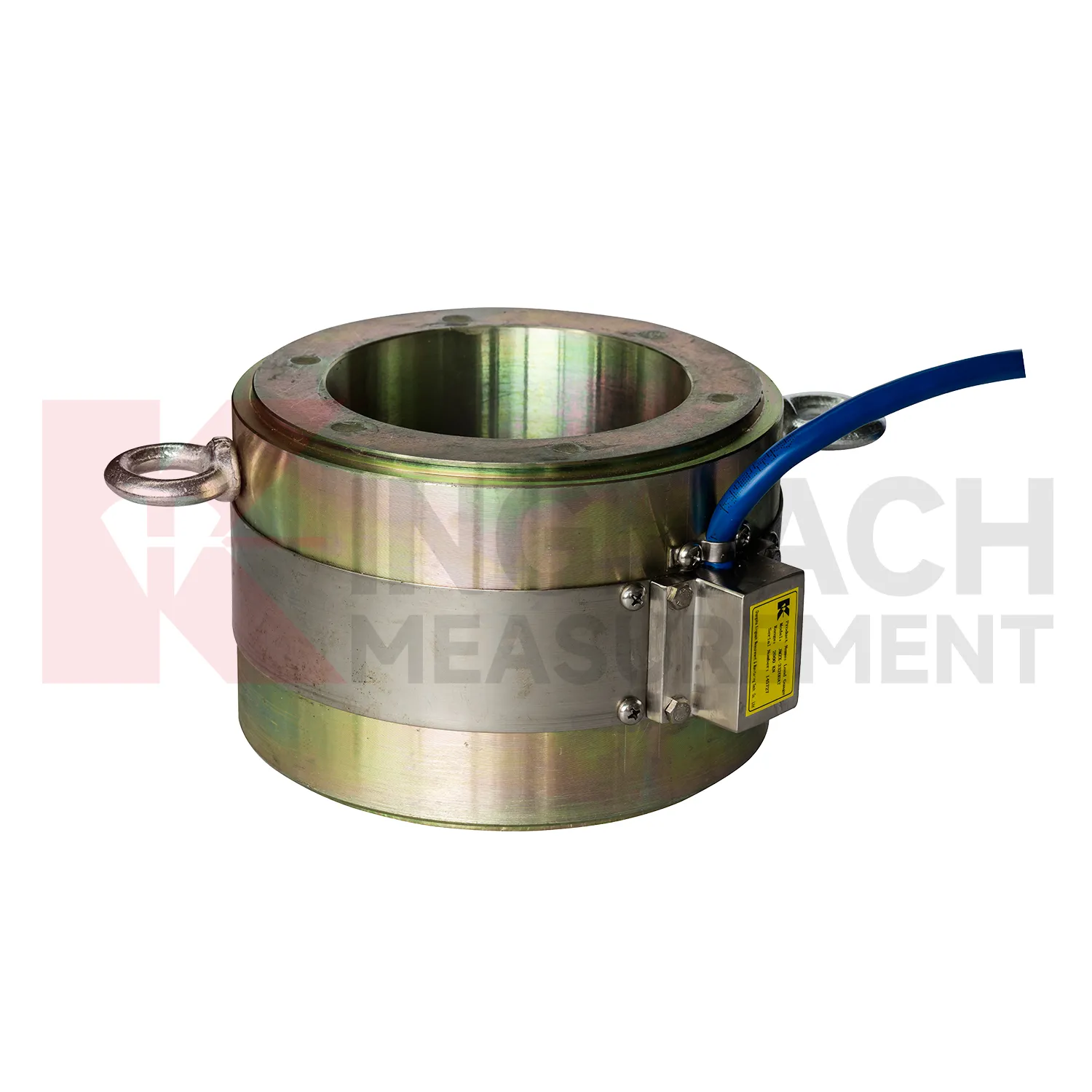
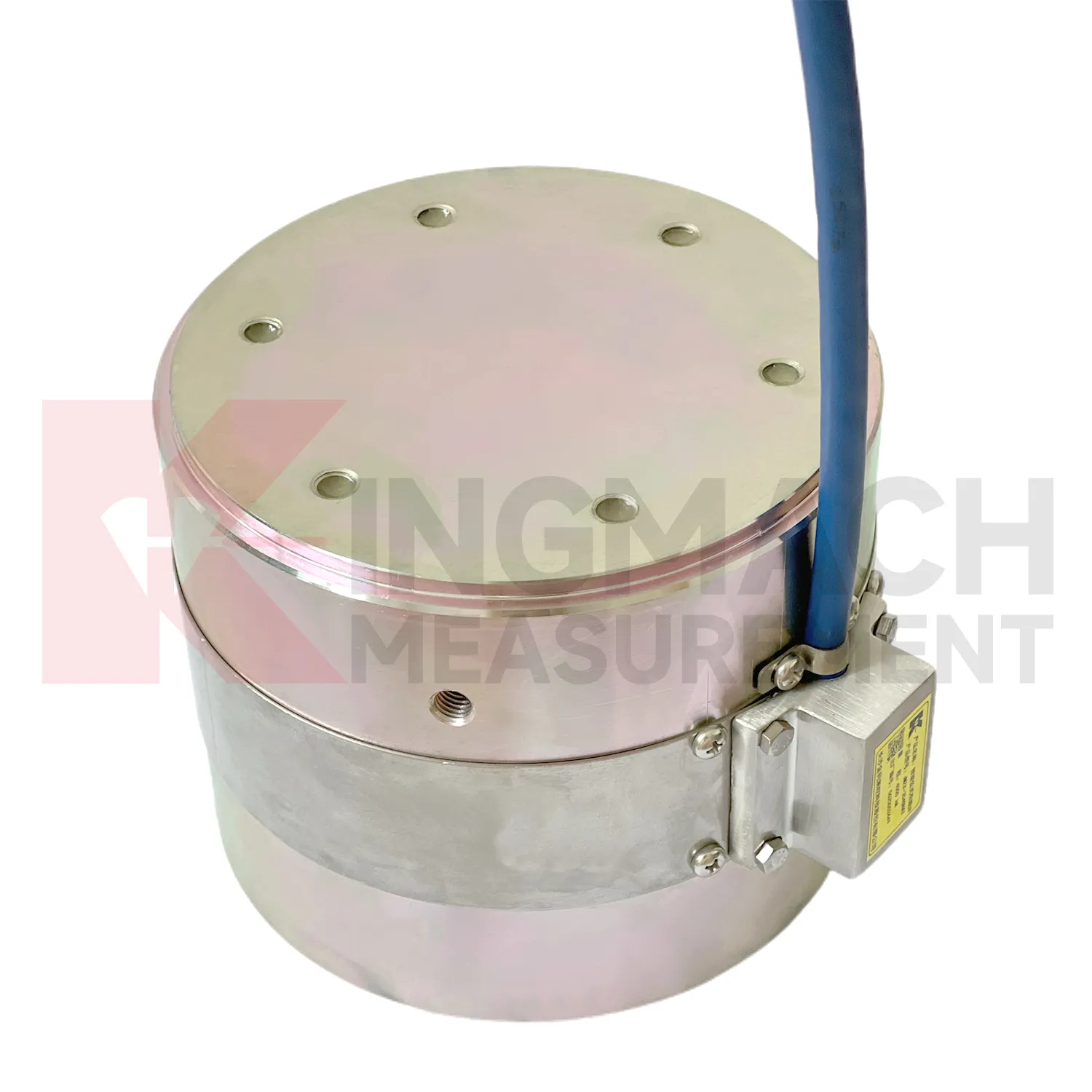
Solid load cell JMZX-34XXHAT、35XXHAT、36XXHAT
View Details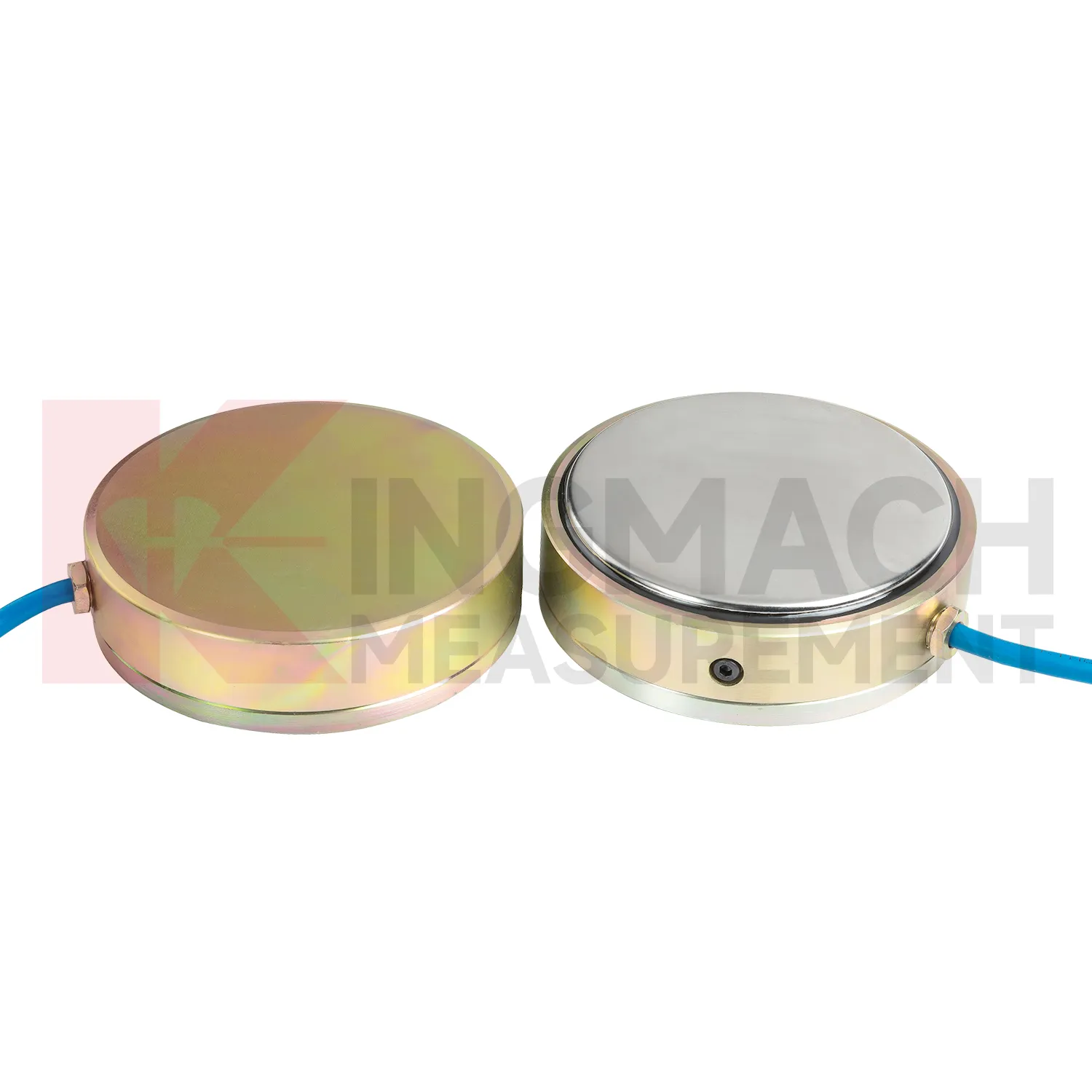
Large Earth Pressure Cell ( VW & Smart Type) JMZX-51XXAT/ ATM
View DetailsFAQ
Start with the structure’s load path. For compression loading on a flat surface, a rocker column or spherical washer set handles minor tilt. For tension, rod-end bearings work best. Our team can review your drawing and suggest a kit that matches the cell’s rated load and the expected deflection.
Yes—misalignment is the top cause of repeatability errors in the field. A 1 mm offset on a shear-beam cell can cause a 2% signal shift. With proper mounting hardware, you keep the force vector centered, and the cell stays linear across its range.
Often. We’ve done low-profile mounting plates for hopper legs that only have 100 mm clearance, and custom thread adapters for retrofit projects. Send us a sketch and we’ll quote a design that doesn’t require modifying your frame.
Stainless steel with laser-welded seals and IP68 protection is standard for food or chemical washdowns. The mounting hardware should match—we offer stainless base plates and glands to avoid galvanic corrosion.
Share your product type, target capacity, and application requirements. Our team can review the details and recommend a practical next step.
If you are interested in our products or want to become our partner.
Please leave your contact information, our team will contact you as soon as possible.
Mail: [email protected]
Contact Us: +8613808434127
Address: No. 188 Tongzipo West Rd, Changsha, Hunan, China