
 EN
EN
 ar
ar bg
bg hr
hr cs
cs da
da nl
nl fi
fi fr
fr de
de el
el hi
hi it
it ko
ko no
no pl
pl pt
pt ro
ro ru
ru es
es sv
sv tl
tl iw
iw id
id lv
lv lt
lt sr
sr sk
sk sl
sl uk
uk vi
vi et
et hu
hu th
th tr
tr fa
fa ms
ms hy
hy ka
ka ur
ur bn
bn mn
mn ta
ta kk
kk uz
uz ku
ku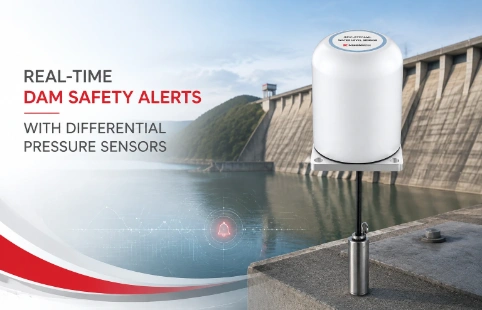
Real-Time Dam Safety Alerts with Differential Pressure Water Level Sensors
Key Takeaways An alert chain needs more than a sensor: define field in...

Piezo Accelerometers: Reliable Vibration Data for Your Machines
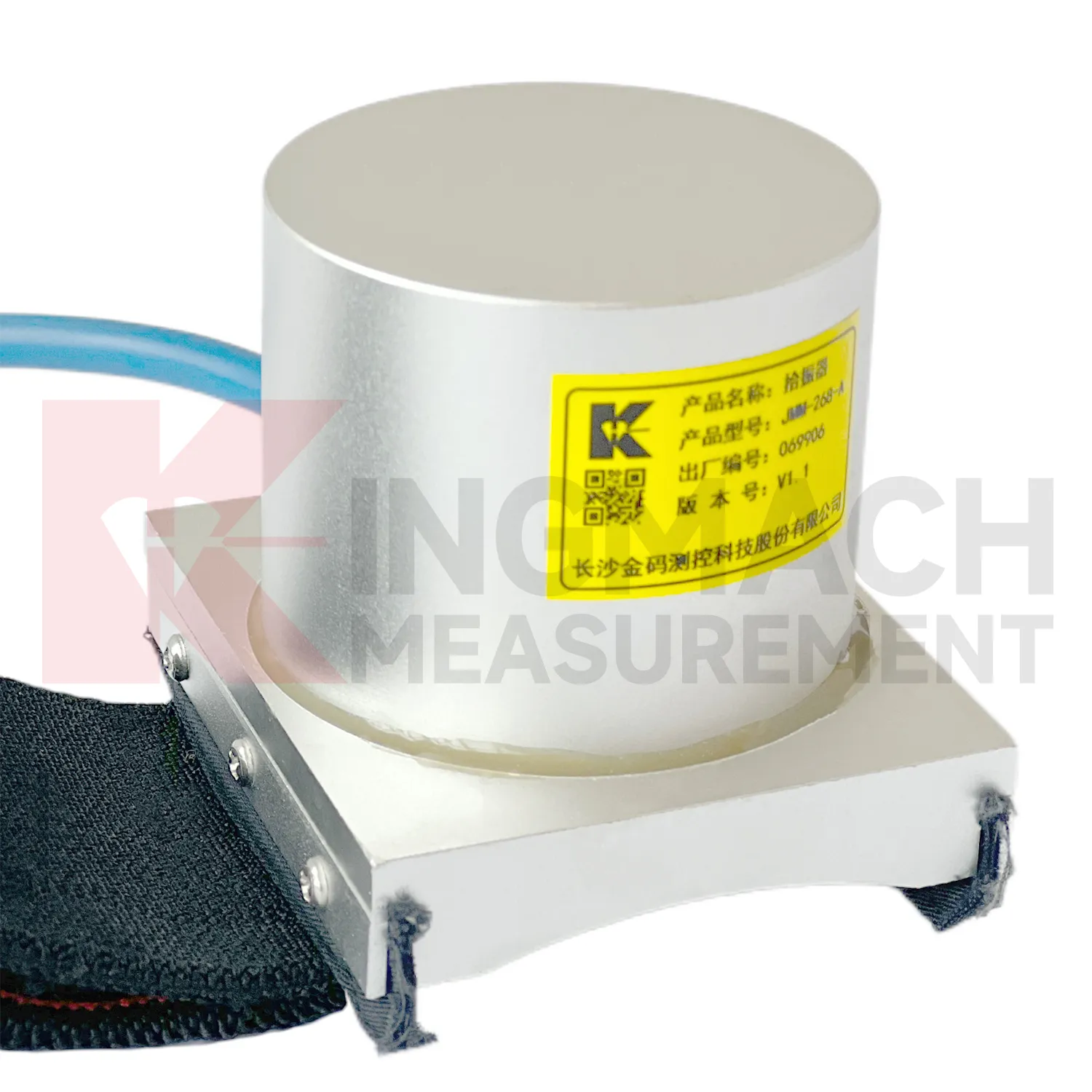
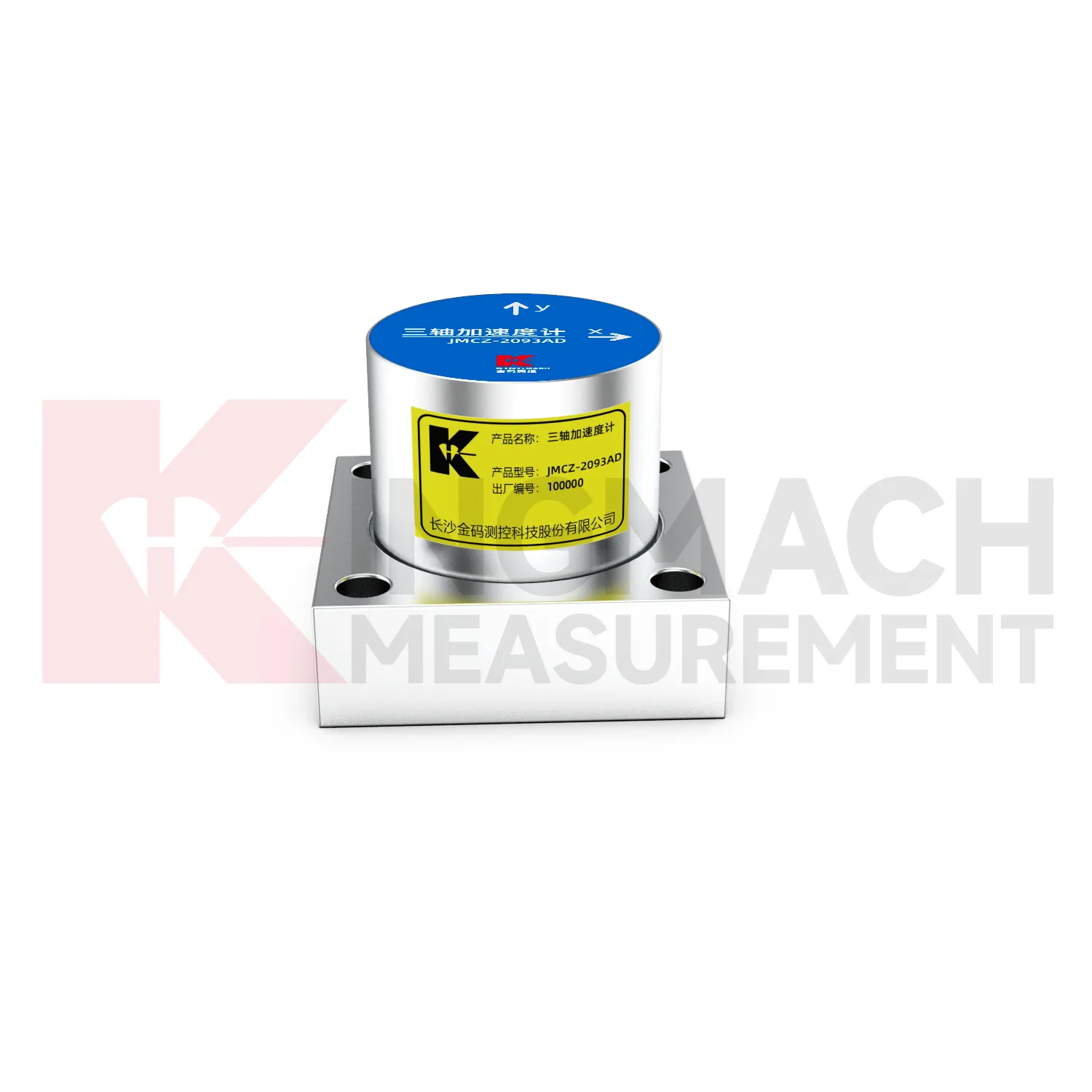
Getting accurate vibration readings from rotating machinery isn’t always straightforward. Piezo accelerometers have become the default choice for many plant engineers because they can handle a wide range of frequencies and harsh conditions without much signal conditioning. At Kingmach, we build these sensors to give you consistent data, whether you’re monitoring a pump, a motor, or a structural member. Our devices come in compact housings, and we offer different mounting options to fit the space you’re working with. Rather than pushing a one-size-fits-all sensor, we work with your project requirements first—sensitivity, temperature range, cable exit—and then deliver a piezo accelerometer that matches your measurement chain. This approach helps you avoid the noise and drift that can lead to false alarms or missed warning signs.
Technical Detail
A piezo accelerometer works on a simple principle: a seismic mass presses on a piezoelectric crystal, and the charge output is proportional to acceleration. But getting that signal cleanly into your data acquisition system is where the engineering matters. Our designs, part of the Kingmach geotechnical and industrial monitoring portfolio, use shear-mode elements that are less sensitive to base strain and thermal transients. That means you spend less time chasing phantom vibrations. The housings are typically stainless steel, sealed against dust and moisture, and usable across the -40°C to 120°C range common in field installations. For low-frequency applications—say, seismic monitoring or structural health—we can supply charge-output models that work with external signal conditioners. For plant-wide condition monitoring, we build IEPE (ICP) versions with built-in microelectronics, so they plug directly into most vibration analyzers. Because we’re not tied to a single supply chain, we can often adapt mounting threads, connector orientations, or cable lengths without long lead times. Customers in mining, power generation, and heavy manufacturing use these sensors on crushers, gearboxes, and piping. While no two sites are alike, the feedback points to a common thread: the piezo accelerometers hold their sensitivity well over years of 24/7 operation, and when they do need replacement, our technical team helps verify the new unit matches the original profile.
News
Key Takeaways An alert chain needs more than a sensor: define field in...
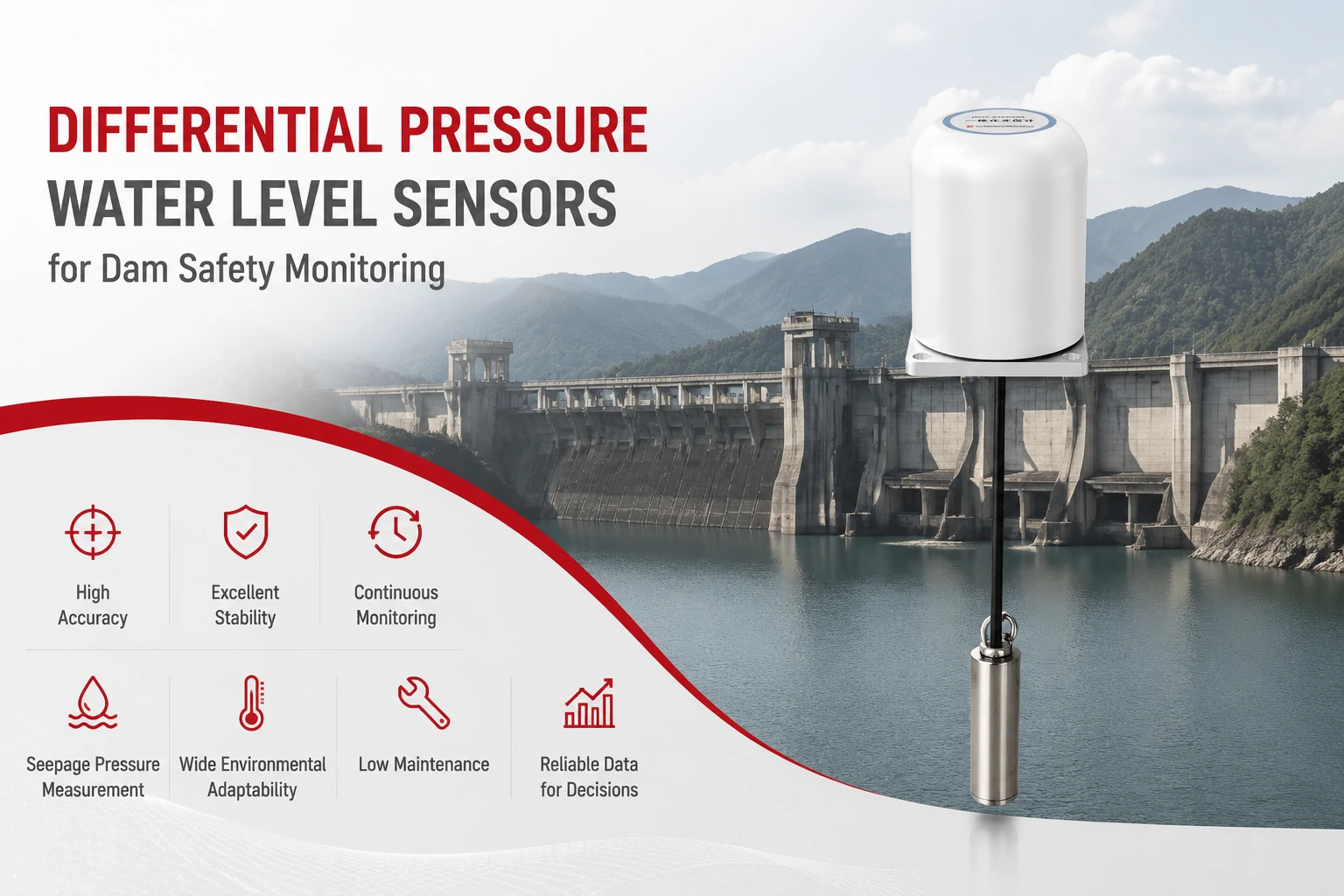
Key Takeaways The strongest fit is usually a confined, submerged, or s...
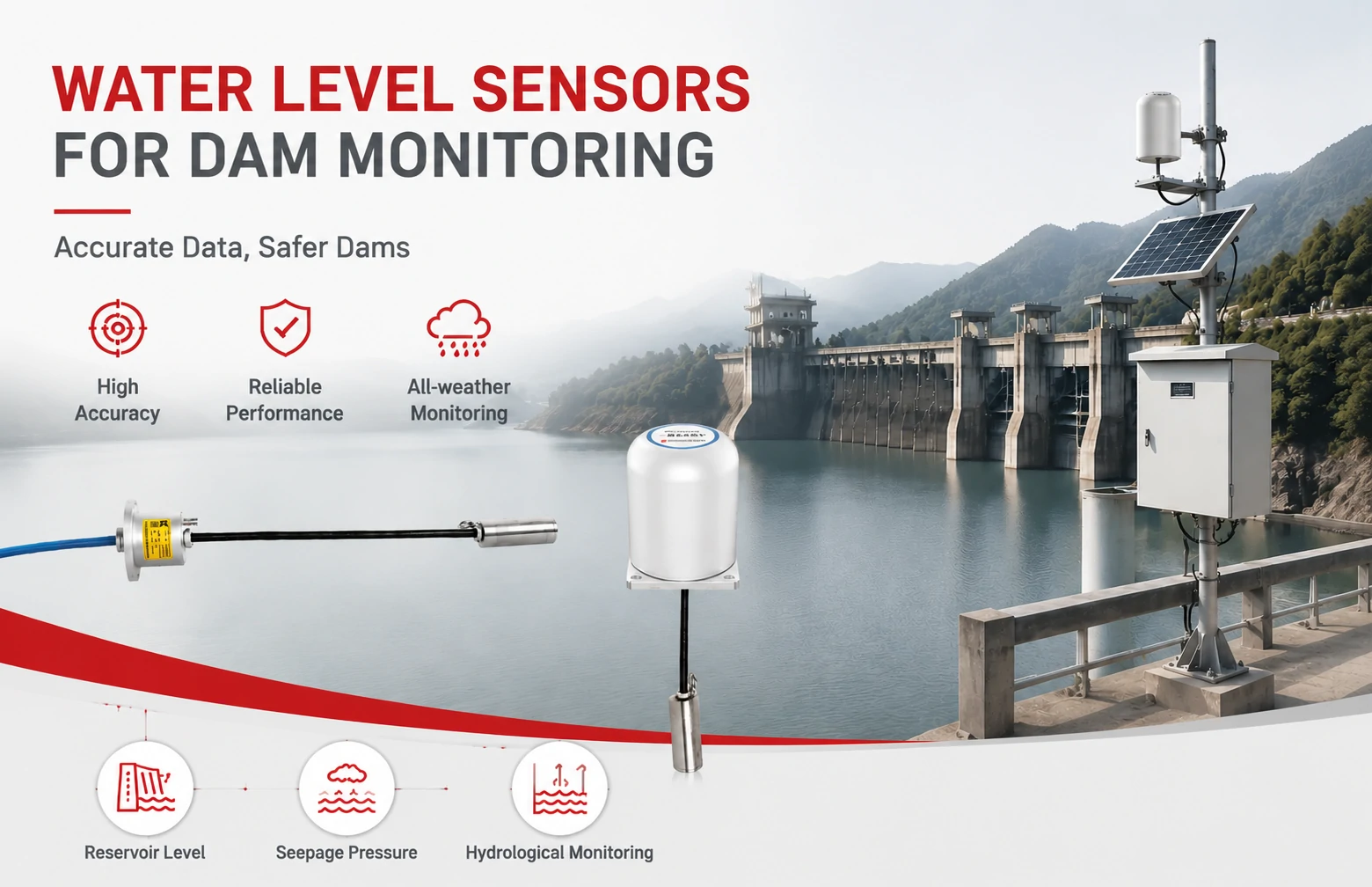
Kingmach Water Level Sensors for Dam Monitoring: A Buyer's Guide to Differential Pre...
Products
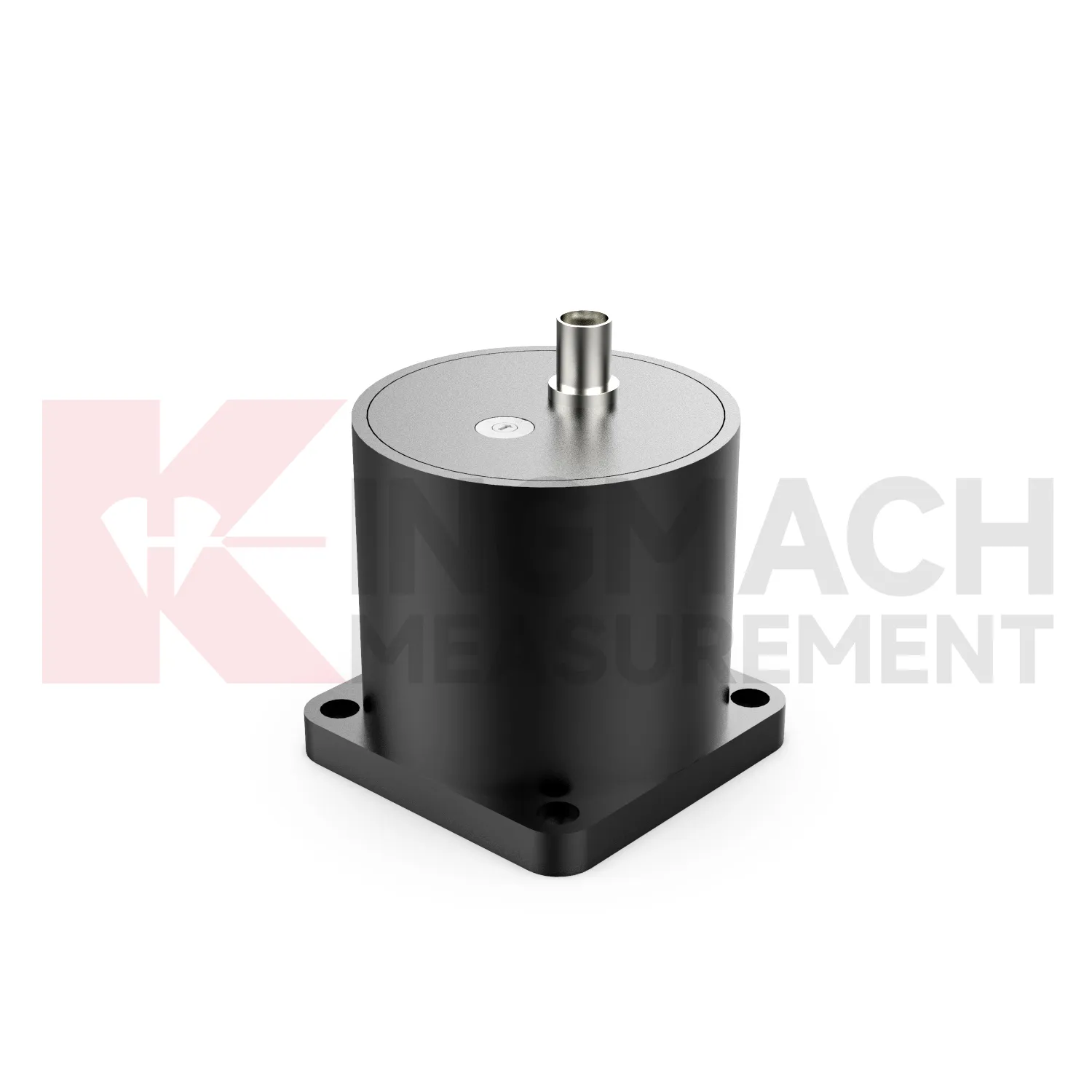
FAQ
For typical machine vibration (10 Hz to 1 kHz), a 100 mV/g IEPE accelerometer is a common starting point. If you are measuring lower levels—below 0.1 g—or trying to capture sub-synchronous components, a 500 mV/g sensor may improve signal-to-noise ratio. Our team can review your expected vibration spectrum to help you decide.
We offer models with intrinsically safe certifications for gas and dust atmospheres when paired with appropriate safety barriers. If your installation is in an ATEX/IECEx zone, please let us know during the inquiry, so we confirm the exact approvals and temperature class.
Flat-bottom sensors usually need a spot-faced pad or a magnetic base. We can provide a curved-base adapter if you share the pipe or housing diameter. Adhesive mounts are an option for temporary surveys, but stud mounting gives the best high-frequency response.
Most of our standard models have a linear response from 0.5 Hz up to 10 kHz, with the upper limit set by the sensor’s resonance. The exact range depends on sensitivity and mounting. We supply a calibration certificate that charts the actual frequency curve.
Yes, we can include paired cable assemblies with the correct 2-pin or 3-pin MIL-C-5015 or M12 connectors. For long cable runs in noisy environments, we recommend low-noise coaxial or twisted-shielded cables to avoid triboelectric noise.
Share your product type, target capacity, and application requirements. Our team can review the details and recommend a practical next step.
Related Keywords
If you are interested in our products or want to become our partner.
Please leave your contact information, our team will contact you as soon as possible.
Mail: [email protected]
Contact Us: +8613808434127
Address: No. 188 Tongzipo West Rd, Changsha, Hunan, China