
 EN
EN
 ar
ar bg
bg hr
hr cs
cs da
da nl
nl fi
fi fr
fr de
de el
el hi
hi it
it ko
ko no
no pl
pl pt
pt ro
ro ru
ru es
es sv
sv tl
tl iw
iw id
id lv
lv lt
lt sr
sr sk
sk sl
sl uk
uk vi
vi et
et hu
hu th
th tr
tr fa
fa ms
ms hy
hy ka
ka ur
ur bn
bn mn
mn ta
ta kk
kk uz
uz ku
ku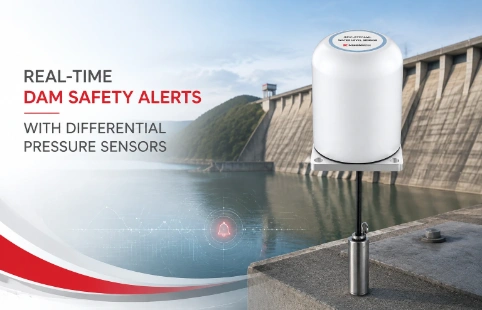
Real-Time Dam Safety Alerts with Differential Pressure Water Level Sensors
Key Takeaways An alert chain needs more than a sensor: define field in...

Readouts That Work Where You Do
Field data doesn’t wait for perfect conditions. When you’re checking sensors on a dam wall or down a borehole, the readout in your hands has to be quick, clear, and tough enough for the job. Kingmach readouts are built around that reality—no overcomplicated menus, no fragile housings. They connect directly to vibrating wire sensors, strain gauges, thermistors, and other common geotechnical instruments, pulling in readings without extra adapters or guesswork. On-screen prompts guide you through setup, so even a technician new to the site can get moving in minutes. We hear from engineers who’ve used them in tunnels and monitoring shafts that the thing they appreciate most is consistency: the same button sequence every time, the same stable output. That matters when you’re comparing datasets from different shifts or different instruments. Kingmach has been supplying monitoring equipment for years, and we’ve learned that a readout shouldn’t add complexity—it should remove it. Whether you need a standalone unit for periodic checks or something that can log data over weeks, we can discuss your project and adjust the configuration.
Technical Detail
Kingmach readouts are designed to support a wide range of geotechnical monitoring tasks. They work with sensor types including vibrating wire, strain gauge, thermistor, and potentiometer, which covers most standard monitoring schemes. This flexibility means you don’t need to carry multiple devices onto a site—one readout can handle the majority of your sensors. The interface uses a straightforward menu structure with large, readable characters, which helps in low-light conditions inside tunnels or during night inspections. Data is stored in non-volatile memory, and typical units can hold thousands of readings. You can then transfer these to a PC via USB or RS-232 for further analysis, without proprietary software on the receiving end—standard terminal programs or CSV export do the job. From a manufacturing standpoint, we pay close attention to the front-end signal conditioning. In vibrating wire mode, the readout performs swept-frequency excitation and calculates the resonant frequency using a method that reduces sensitivity to cable length or contact resistance, which is a common pain point in long-term installations. The enclosure is rated to handle drip and dust ingress typical of construction sites. Battery life varies with sensor type and logging interval, but users generally report field operation for a full working day or longer on a charge. Our support team can help with custom firmware adjustments for non-standard sensor calibration curves, and we maintain stock of key components to minimize repair turnaround. Because Kingmach is a specialized manufacturer of geotechnical instruments rather than a general electronics company, we understand the chain from sensor to readout to data interpretation, and that perspective helps us make decisions that prioritize measurement quality over adding unnecessary features.
News
Key Takeaways An alert chain needs more than a sensor: define field in...
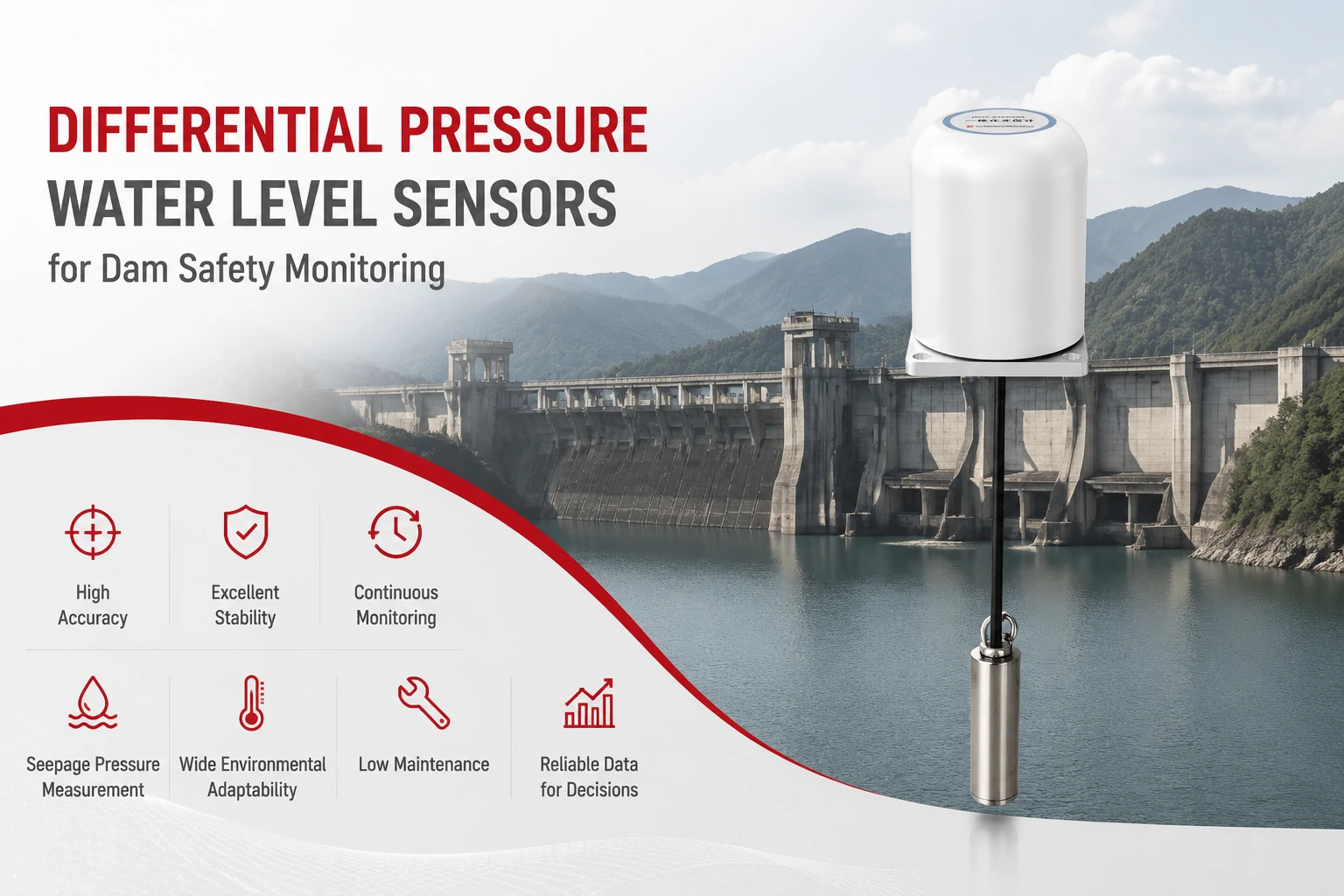
Key Takeaways The strongest fit is usually a confined, submerged, or s...
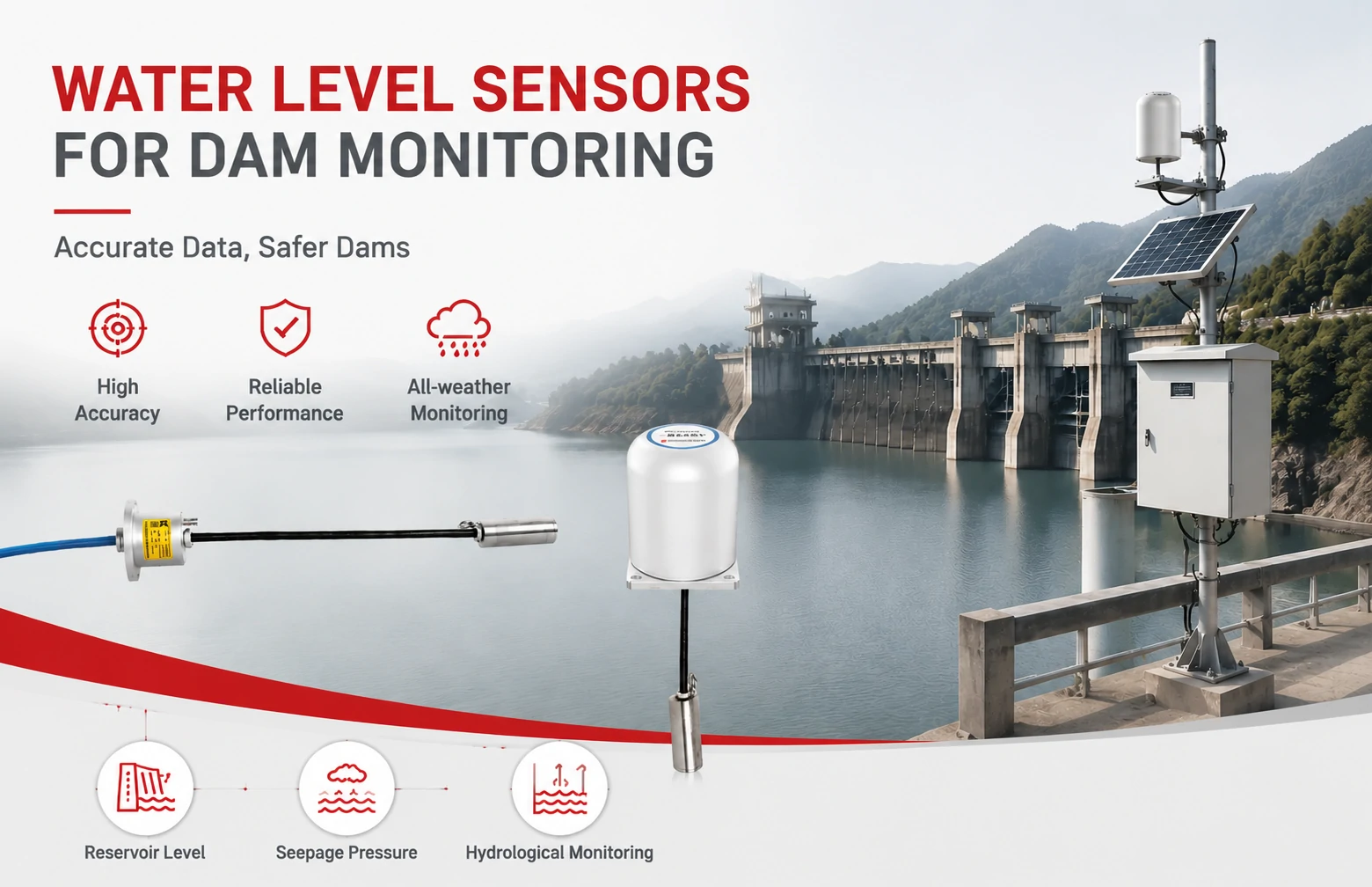
Kingmach Water Level Sensors for Dam Monitoring: A Buyer's Guide to Differential Pre...
Products
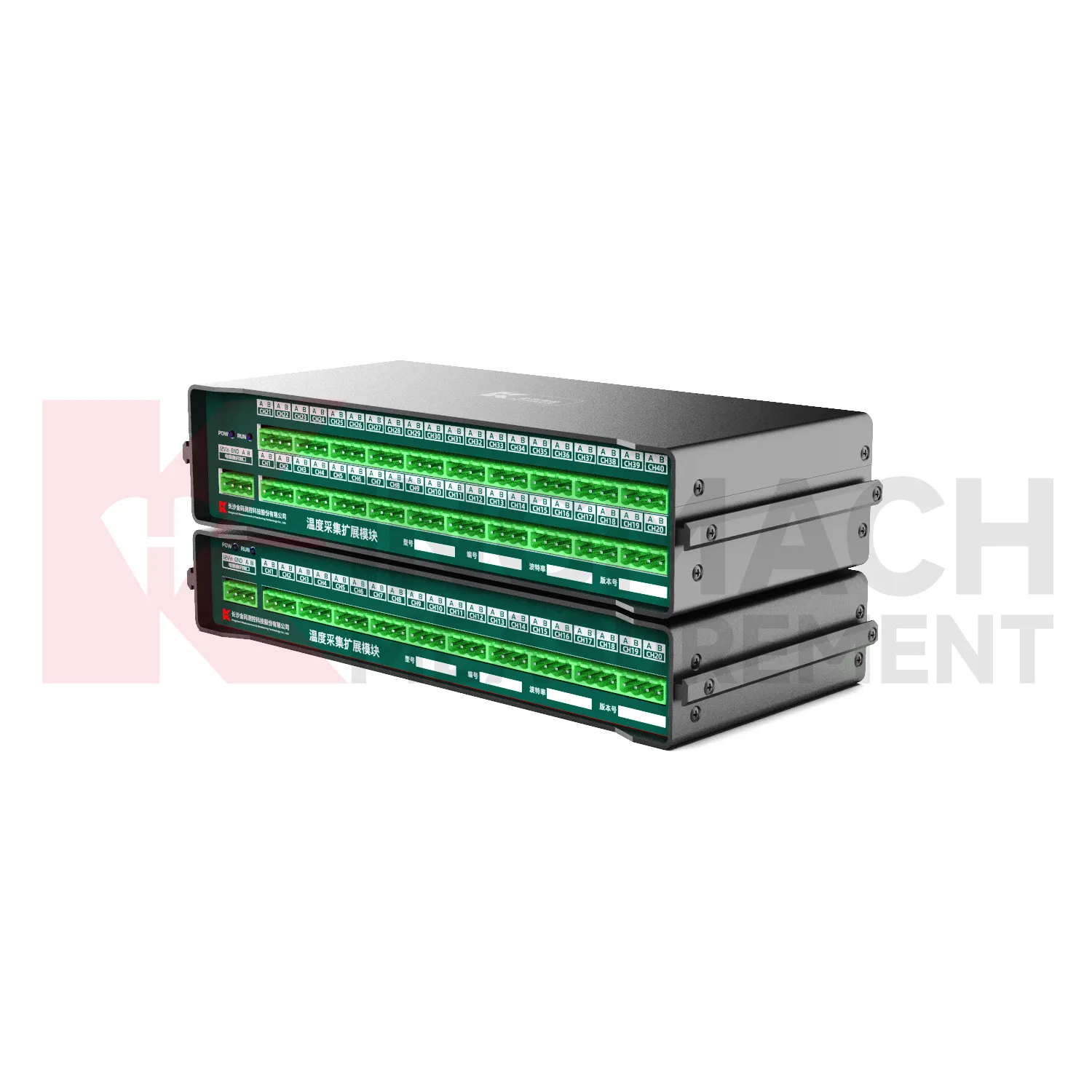
Temperature Acquisition Expansion Module JMWT-XXRTH
View Details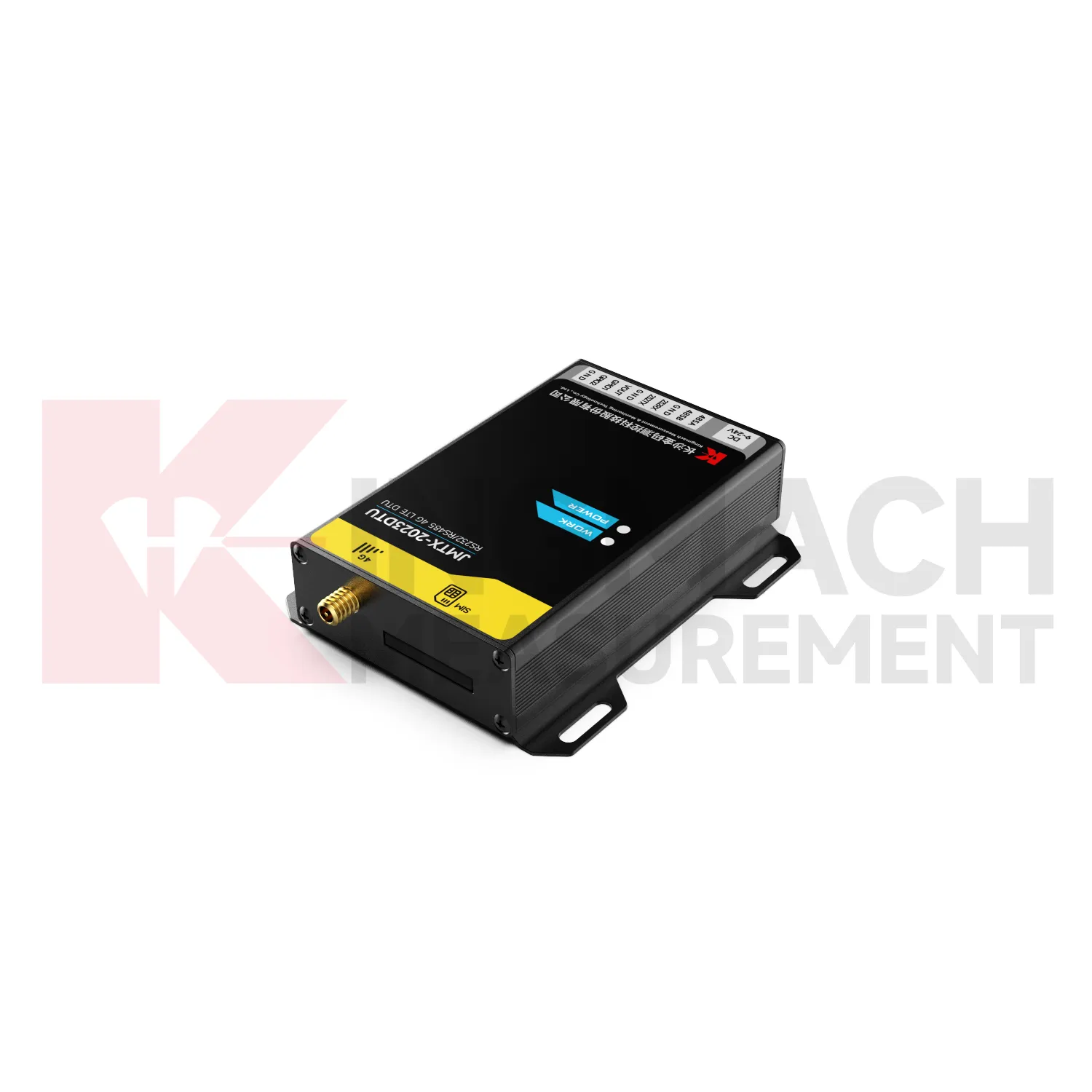
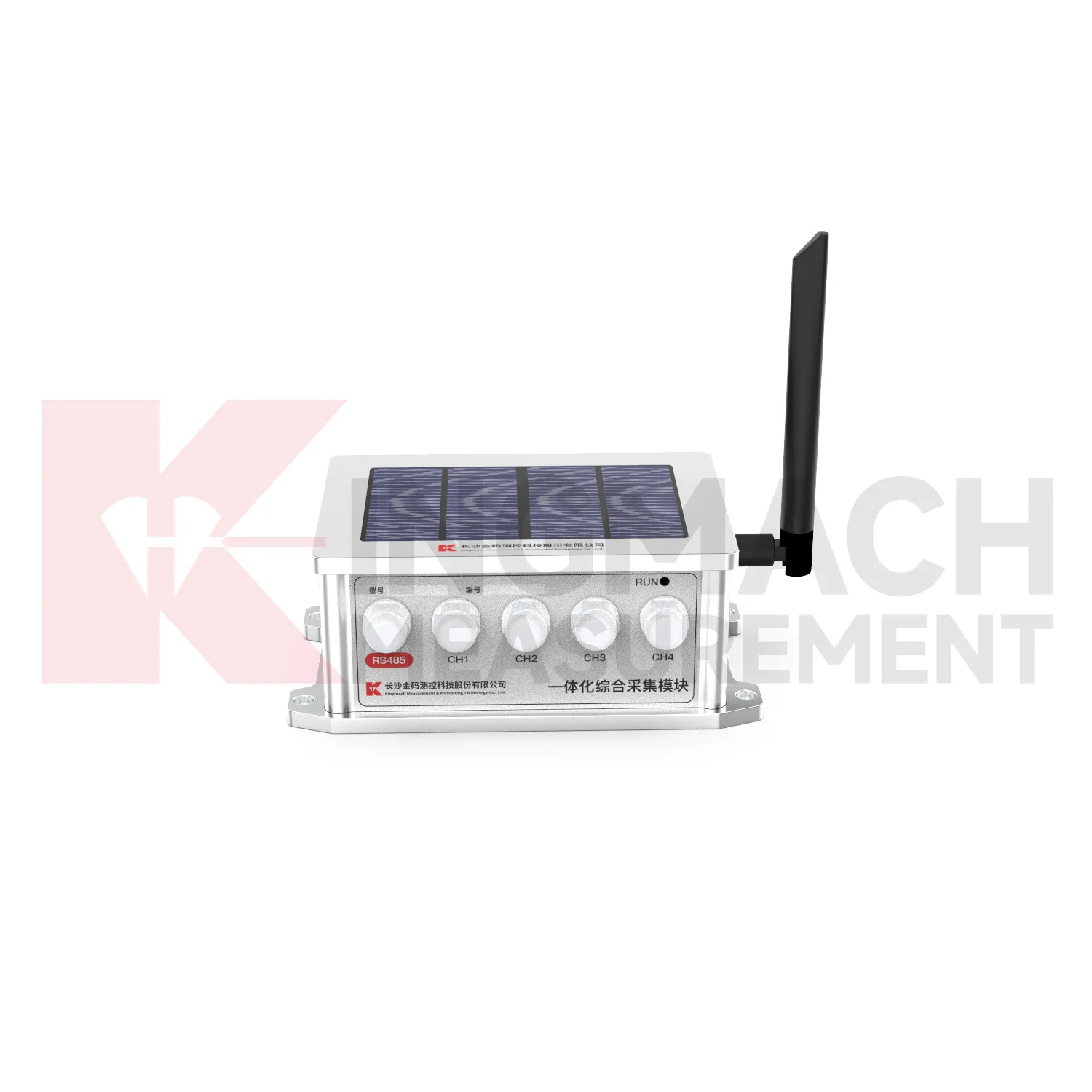
Integrated Comprehensive Acquisition Module JMZX-4/8GH-RTU
View DetailsFAQ
Out of the box, most of our readouts support vibrating wire, strain gauge (full bridge), thermistor, and potentiometer inputs. The unit automatically detects the sensor type when you connect it, and the display shows the relevant engineering units after you set the calibration factors. If you’re using a less common sensor, we can usually adapt the readout through firmware—just share the calibration sheet.
You can transfer stored readings via the USB or RS-232 port. The data stream is plain text or CSV, so you can open it in Excel, Notepad, or import it into monitoring software without installing extra drivers. For real-time monitoring, you can leave the readout connected to a laptop and log directly into your application using a simple terminal command set.
The enclosure is built to handle site conditions—dust, occasional rain, and humidity. It’s not submersible, but it will survive being set down on muddy ground or used in a light drizzle. The buttons are sealed and the connectors have protective caps when not in use. We’ve seen units come back from long-term tunnel jobs still functioning fine after a wipe-down.
Not really. The menu system is intentionally simple: switch on, select the sensor type if it doesn’t autodetect, let it take the reading, and store it. There’s a quick-start card in the box, and we can walk you through the first use over a video call if you’d like. Most technicians get comfortable in a few minutes.
Yes, you can set a logging interval—say every 10 minutes or every hour—and leave it connected to a sensor array. The internal memory will store readings until it’s full or you stop the session. Battery consumption depends on how often it wakes up to read sensors; we can advise on the right settings for multi-day unattended runs based on your project’s sensor mix.
Share your product type, target capacity, and application requirements. Our team can review the details and recommend a practical next step.
If you are interested in our products or want to become our partner.
Please leave your contact information, our team will contact you as soon as possible.
Mail: [email protected]
Contact Us: +8613808434127
Address: No. 188 Tongzipo West Rd, Changsha, Hunan, China