
 EN
EN
 ar
ar bg
bg hr
hr cs
cs da
da nl
nl fi
fi fr
fr de
de el
el hi
hi it
it ko
ko no
no pl
pl pt
pt ro
ro ru
ru es
es sv
sv tl
tl iw
iw id
id lv
lv lt
lt sr
sr sk
sk sl
sl uk
uk vi
vi et
et hu
hu th
th tr
tr fa
fa ms
ms hy
hy ka
ka ur
ur bn
bn mn
mn ta
ta kk
kk uz
uz ku
ku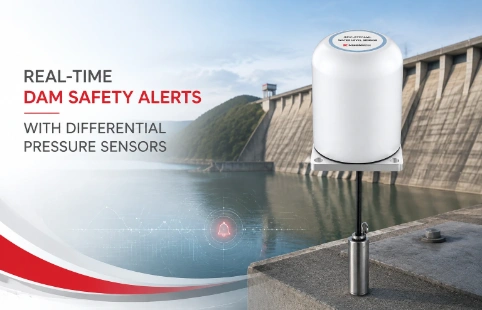
Real-Time Dam Safety Alerts with Differential Pressure Water Level Sensors
Key Takeaways An alert chain needs more than a sensor: define field in...

Resistance Temperature Sensors in Geotechnical Applications
Temperature shifts can throw off measurements or mask structural issues if not closely watched. In tunnel work, dam monitoring, or deep excavation, a few degrees matter. Resistance temperature sensors catch those changes early. Kingmach makes these sensors for field use—rugged enough for boreholes, embedment in concrete, or direct burial. Instead of stock products, we configure probes to your project: length, encapsulation, cable materials, output. Whether you use RTDs or thermistors, our sensors plug into standard data loggers. That way, you get clean temperature profiles without fighting the equipment. Our team also helps with placement strategies and data interpretation, drawing on years of geotechnical instrumentation work. From permafrost monitoring to heat-of-hydration studies, the sensors are built to last through weather, vibration, and long-term drift.
Technical Detail
Kingmach resistance temperature sensors cover typical industrial ranges from -50 °C to 200 °C, with Pt100 elements being the most common choice for geotechnical work. The sensing elements are encapsulated in stainless steel probes—common diameters are 4 mm, 6 mm, or 3/16 inch—and can be supplied with a variety of cable jackets (PVC, PUR, Teflon) depending on chemical exposure and mechanical protection needs. Accuracy typically reaches ±0.1 °C for precision monitoring, and the robust construction ensures long-term stability even in harsh environments. Customization options include probe length, diameter, thread type, and output signal (4-20 mA, 0-10 V, or digital). Kingmach also provides technical support for sensor installation and data integration, leveraging a global distribution network to deliver solutions quickly.
News
Key Takeaways An alert chain needs more than a sensor: define field in...
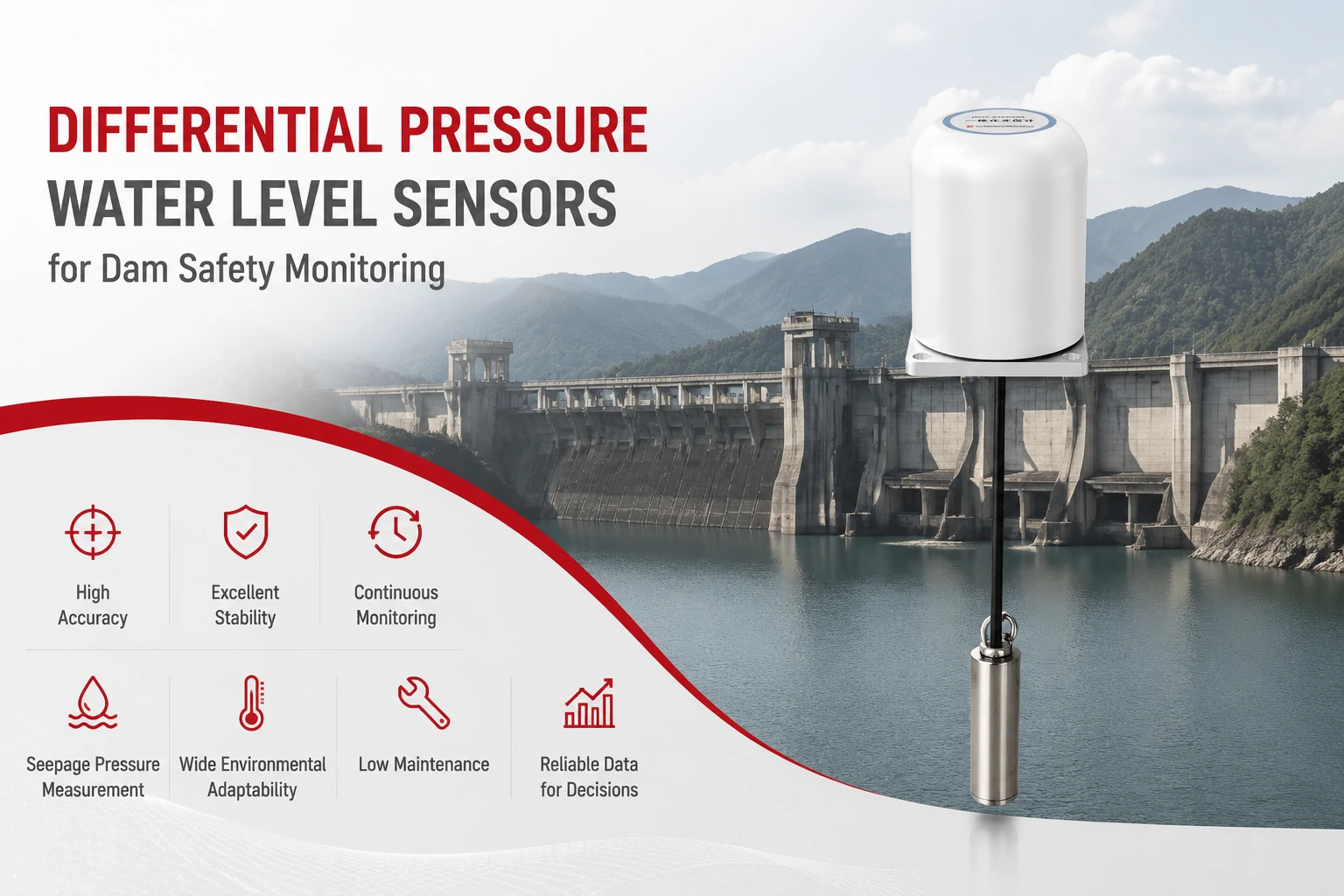
Key Takeaways The strongest fit is usually a confined, submerged, or s...
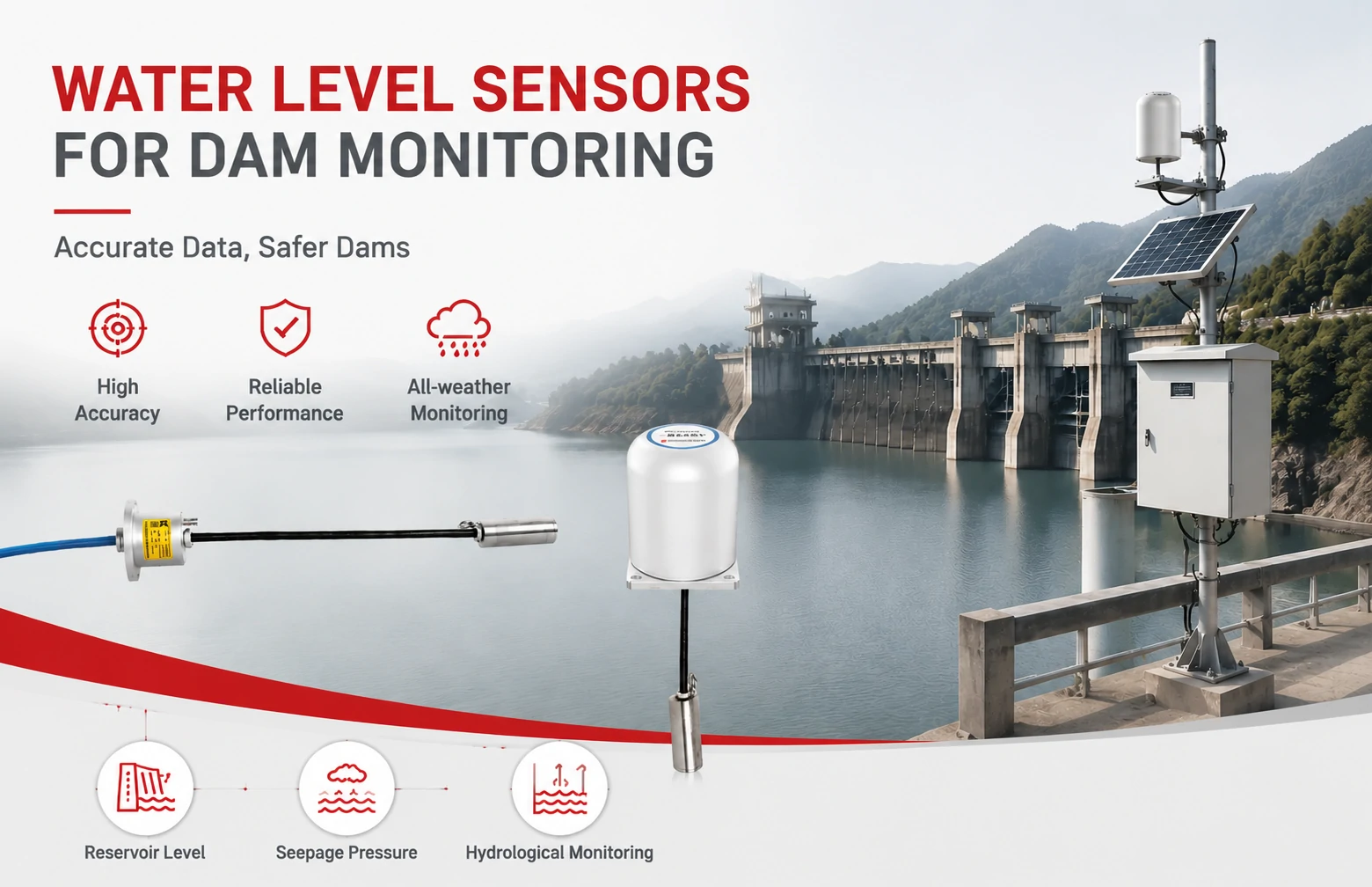
Kingmach Water Level Sensors for Dam Monitoring: A Buyer's Guide to Differential Pre...
Products
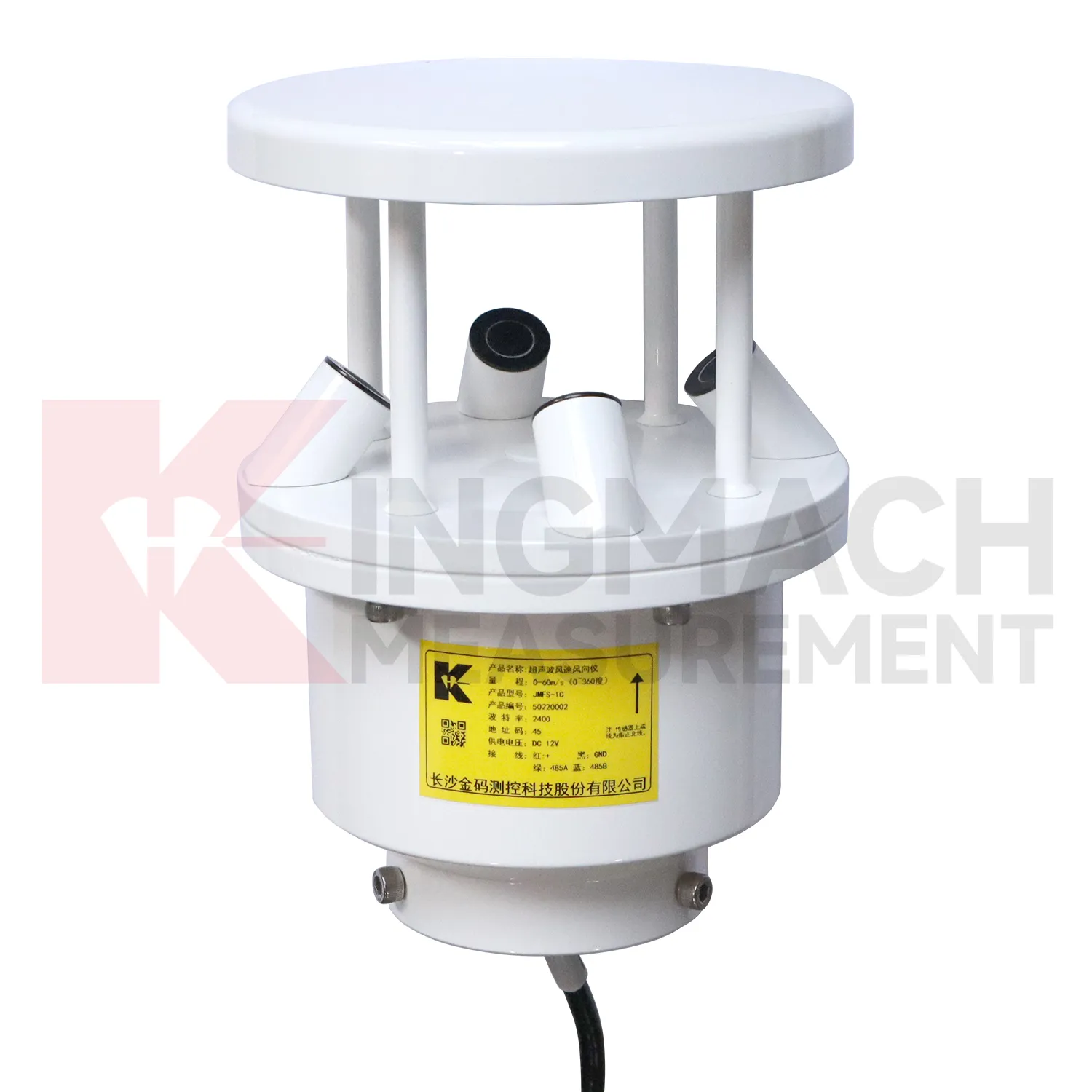
Ultrasonic Wind Speed and Direction Sensor JMFS-1C
View Details
FAQ
A resistance temperature sensor (RTD or thermistor) measures temperature by correlating the resistance of the sensing element with temperature. As temperature changes, the electrical resistance changes predictably, allowing accurate temperature readings.
They are used for monitoring concrete curing temperatures in dams and foundations, detecting permafrost thaw, measuring ground temperatures in boreholes, and tracking temperature in structural health monitoring to correct other sensor readings.
Kingmach can customize probe dimensions, materials, cable types and lengths, output signals, and encapsulation methods to suit specific project requirements, including deep boreholes or embedment in concrete.
Our sensors come with industry-standard output signals and connectors, making them compatible with most data loggers and readout units. We provide wiring diagrams and technical support to ensure seamless integration.
Share your product type, target capacity, and application requirements. Our team can review the details and recommend a practical next step.
If you are interested in our products or want to become our partner.
Please leave your contact information, our team will contact you as soon as possible.
Mail: [email protected]
Contact Us: +8613808434127
Address: No. 188 Tongzipo West Rd, Changsha, Hunan, China