
 EN
EN
 ar
ar bg
bg hr
hr cs
cs da
da nl
nl fi
fi fr
fr de
de el
el hi
hi it
it ko
ko no
no pl
pl pt
pt ro
ro ru
ru es
es sv
sv tl
tl iw
iw id
id lv
lv lt
lt sr
sr sk
sk sl
sl uk
uk vi
vi et
et hu
hu th
th tr
tr fa
fa ms
ms hy
hy ka
ka ur
ur bn
bn mn
mn ta
ta kk
kk uz
uz ku
ku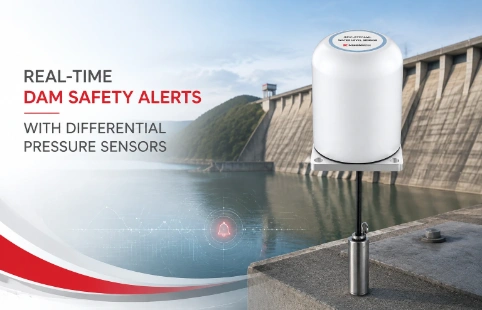
Real-Time Dam Safety Alerts with Differential Pressure Water Level Sensors
Key Takeaways An alert chain needs more than a sensor: define field in...

0.2 mm Resolution Tipping Bucket Rain Gauge – Standard Model
Rainfall data drives decisions in hydrology, agriculture, and urban planning. A tipping bucket rain gauge with a 0.2 mm resolution has become the baseline for many monitoring networks. This resolution balances sensitivity and practical bucket capacity, making it suitable for moderate to heavy rainfall regimes without excessive tip counts that accelerate wear. Kingmach supplies a standard model built around this widely accepted specification, offering a straightforward mechanical design that has proven itself in field installations across varied climates. The 0.2 mm tip sensitivity means each count directly represents two-tenths of a millimeter of precipitation, simplifying log scaling and telemetry. Rather than reinventing the mechanism, we focused on erosion-resistant pivots and a robust housing that holds calibration over time. For project managers weighing cost against data quality, this standard unit delivers consistent performance without the surcharges often attached to ultra-high-resolution alternatives.
Technical Detail
Kingmach Measurement & Monitoring Technology Co., Ltd. brings practical manufacturing experience to the standard tipping bucket rain gauge segment. The gauge features a single bucket mechanism calibrated to tip at precisely 0.2 mm of collected rainfall. The bucket assembly uses stainless steel pivots and a durable synthetic basin that resists corrosion and biological growth. A magnet-activated reed switch generates a contact closure for each tip, compatible with most data loggers and telemetry units. The housing is UV-stabilized and includes a debris screen and internal leveling screws for quick field setup. Installation only requires a mounting pole and a clear sky view. Calibration is set at the factory but can be fine-tuned via a set screw if local verification demands it. The 0.2 mm resolution aligns with guidelines from WMO for general meteorological and hydrological stations, making it a safe choice for tender specifications. Kingmach supports these gauges with spare parts availability and technical guidance, assisting distributors and end users in keeping measurement continuity. The standard model can be adapted for specific output requirements or integrated into larger monitoring systems through our customization service. With a global distribution network and a focus on mid-range pricing, we aim to supply projects that need durable instruments without the extra cost of laboratory-grade precision.
News
Key Takeaways An alert chain needs more than a sensor: define field in...
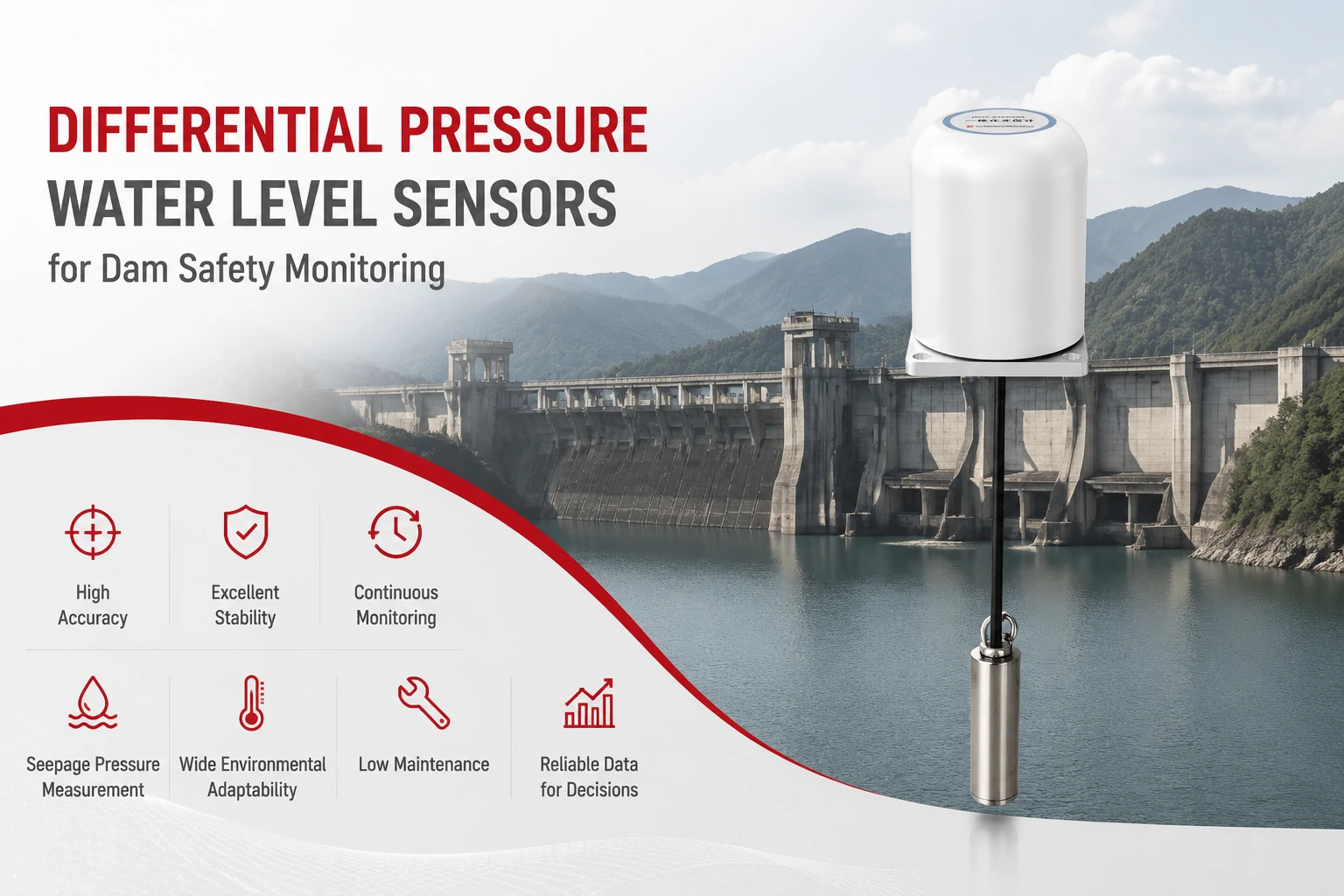
Key Takeaways The strongest fit is usually a confined, submerged, or s...
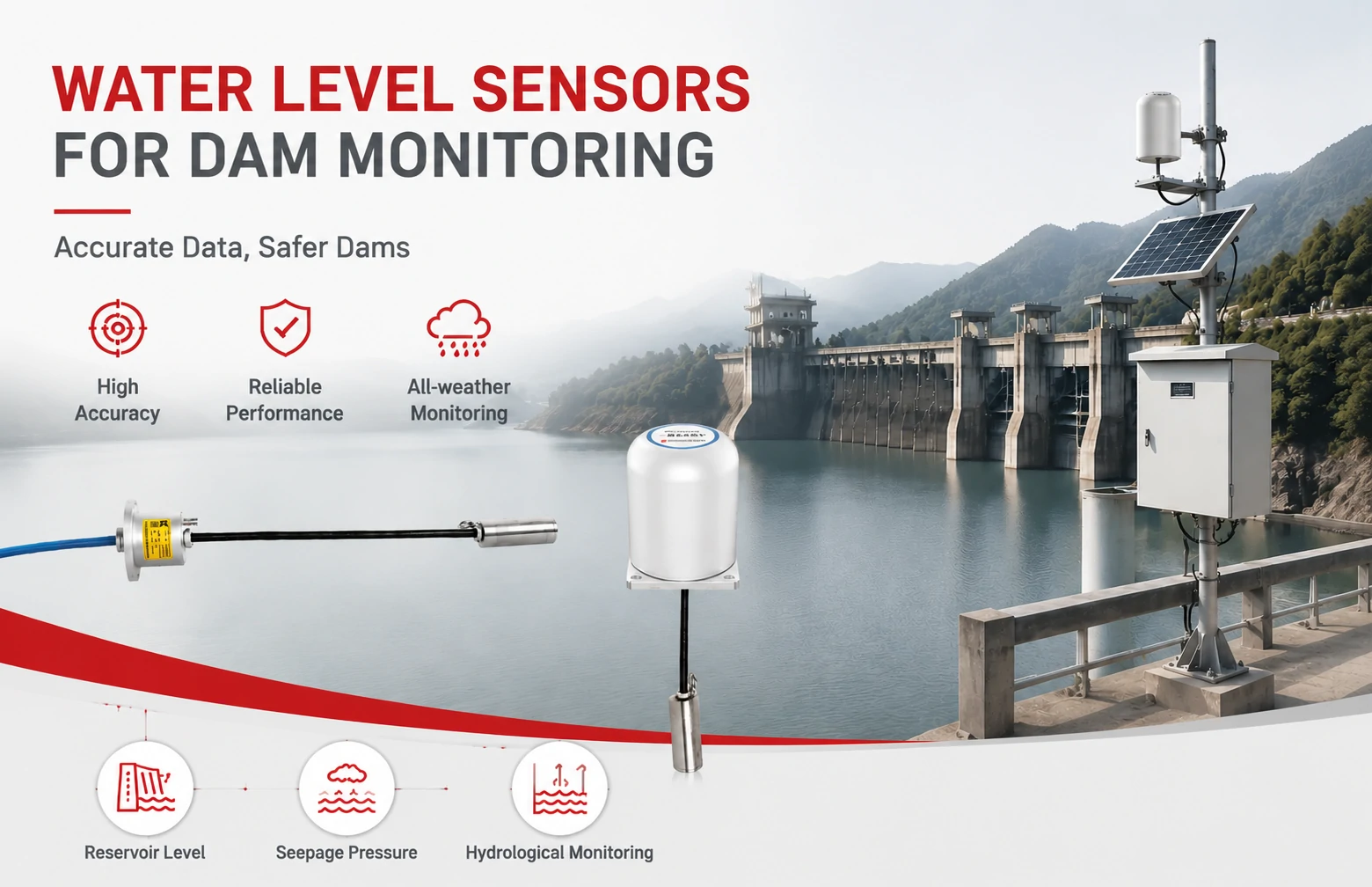
Kingmach Water Level Sensors for Dam Monitoring: A Buyer's Guide to Differential Pre...
Products
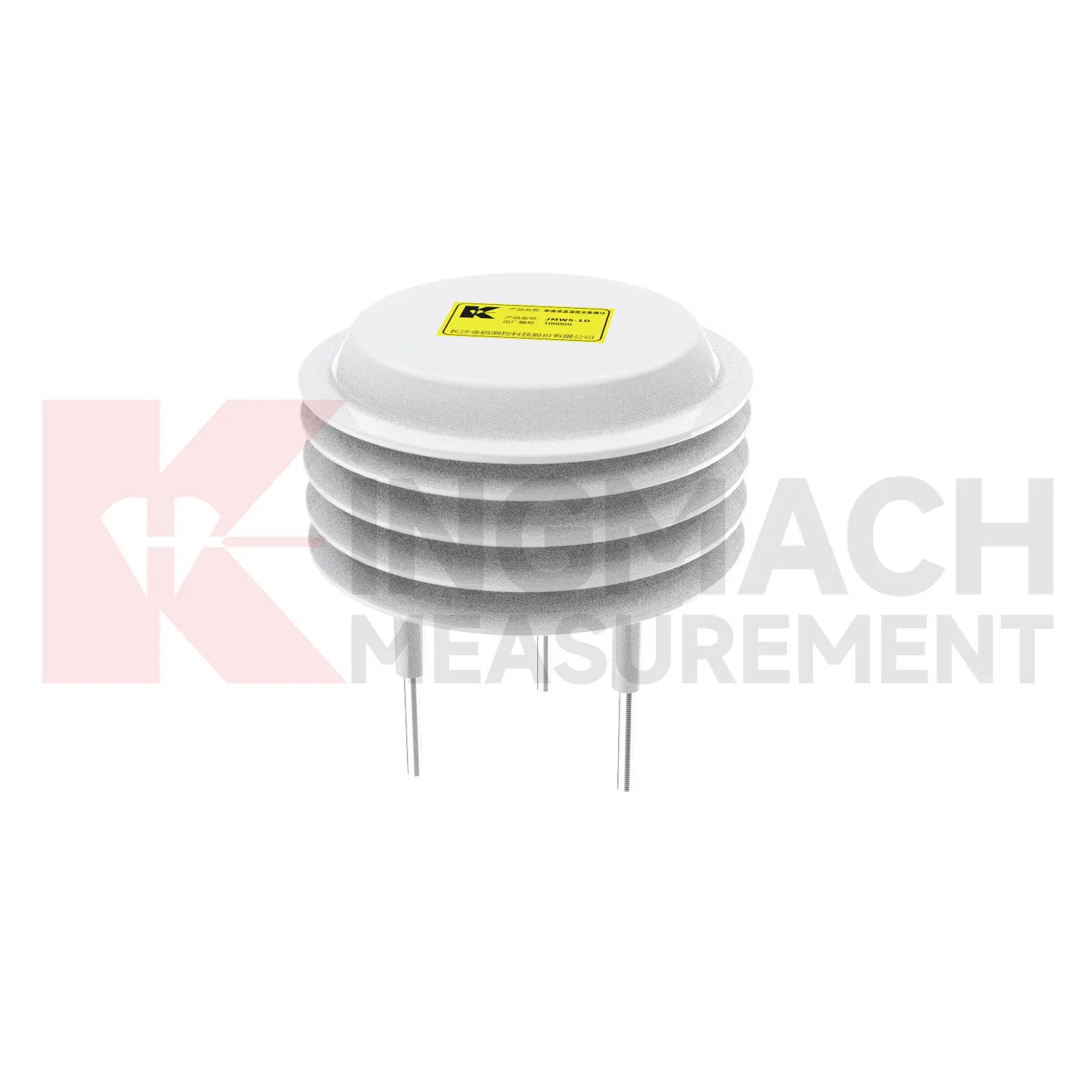
Single-Channel Temperature and Humidity Acquisition Module JMWS-1D
View Details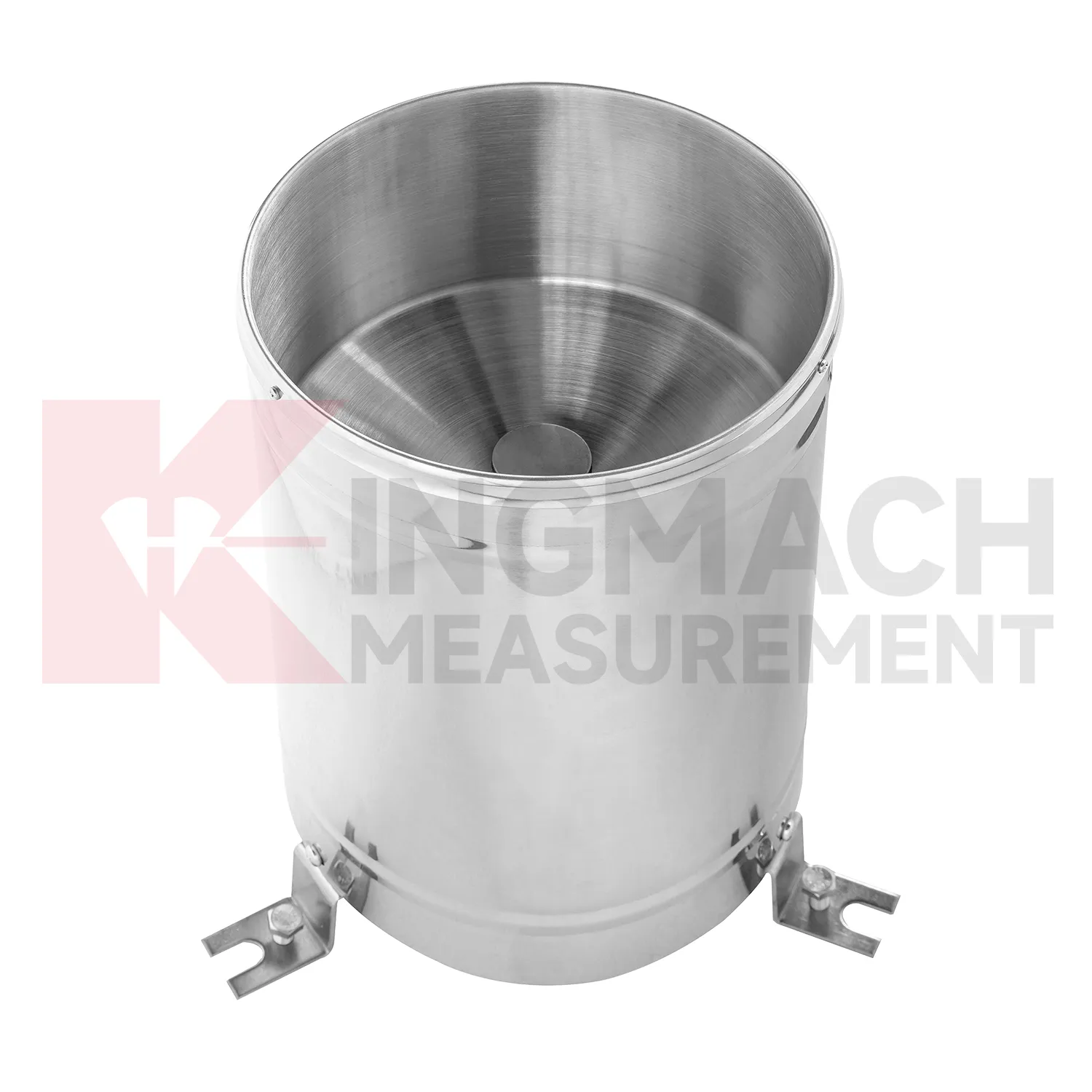
FAQ
0.2 mm hits a sweet spot: fine enough to capture most rainfall events with acceptable time resolution, yet coarse enough to limit mechanical wear and false tips from vibration or wind. Finer resolutions like 0.1 mm exist but increase bucket movement and maintenance, while coarser ones miss light precipitation details. Many national weather services adopted 0.2 mm as their baseline decades ago, and the supporting infrastructure, from loggers to data processing, is built around that pulse interval.
Field conditions dictate the interval. In clean environments with little debris or insect activity, an annual check is common. Sites with heavy dust, pollen, or birds may need more frequent attention. The gauge includes a calibration screw that adjusts the bucket stop, making fine-tuning straightforward with a reference syringe or a certified volume. We recommend validation after any major storm or strong wind event that could disturb the leveling.
The standard mechanical design will freeze if water remains in the funnel or bucket. However, the housing and materials tolerate low temperatures. Many users pair the gauge with a thermostatically controlled heater wrapped around the funnel or base to keep the mechanism above freezing. We provide access points for heater wiring. Without heating, the gauge will resume normal operation as soon as ice melts, though the daily total may be delayed.
Both have strengths. Tipping bucket gauges give event-timing data directly and are simpler to power and maintain. Weighing models excel at frozen precipitation and very high precision, but they cost more and need stable power. For most hydrological and agricultural applications, a properly maintained 0.2 mm tipping gauge provides reliable totalization and intensity estimates. The WMO classes 0.2 mm resolution gauges as suitable for general meteorological use, which covers a broad range of operational needs.
We can supply the rain gauge sensor alone, with various cable lengths and connector options. But since we manufacture a wide range of geotechnical and hydrological instruments, we also configure complete stations including data loggers, solar panels, and mounting structures. Our team can help you specify compatible components and advise on telemetry options based on your project's communication infrastructure. Customization is available for bulk orders.
Share your product type, target capacity, and application requirements. Our team can review the details and recommend a practical next step.
If you are interested in our products or want to become our partner.
Please leave your contact information, our team will contact you as soon as possible.
Mail: [email protected]
Contact Us: +8613808434127
Address: No. 188 Tongzipo West Rd, Changsha, Hunan, China