
 EN
EN
 ar
ar bg
bg hr
hr cs
cs da
da nl
nl fi
fi fr
fr de
de el
el hi
hi it
it ko
ko no
no pl
pl pt
pt ro
ro ru
ru es
es sv
sv tl
tl iw
iw id
id lv
lv lt
lt sr
sr sk
sk sl
sl uk
uk vi
vi et
et hu
hu th
th tr
tr fa
fa ms
ms hy
hy ka
ka ur
ur bn
bn mn
mn ta
ta kk
kk uz
uz ku
ku
linear displacement sensor
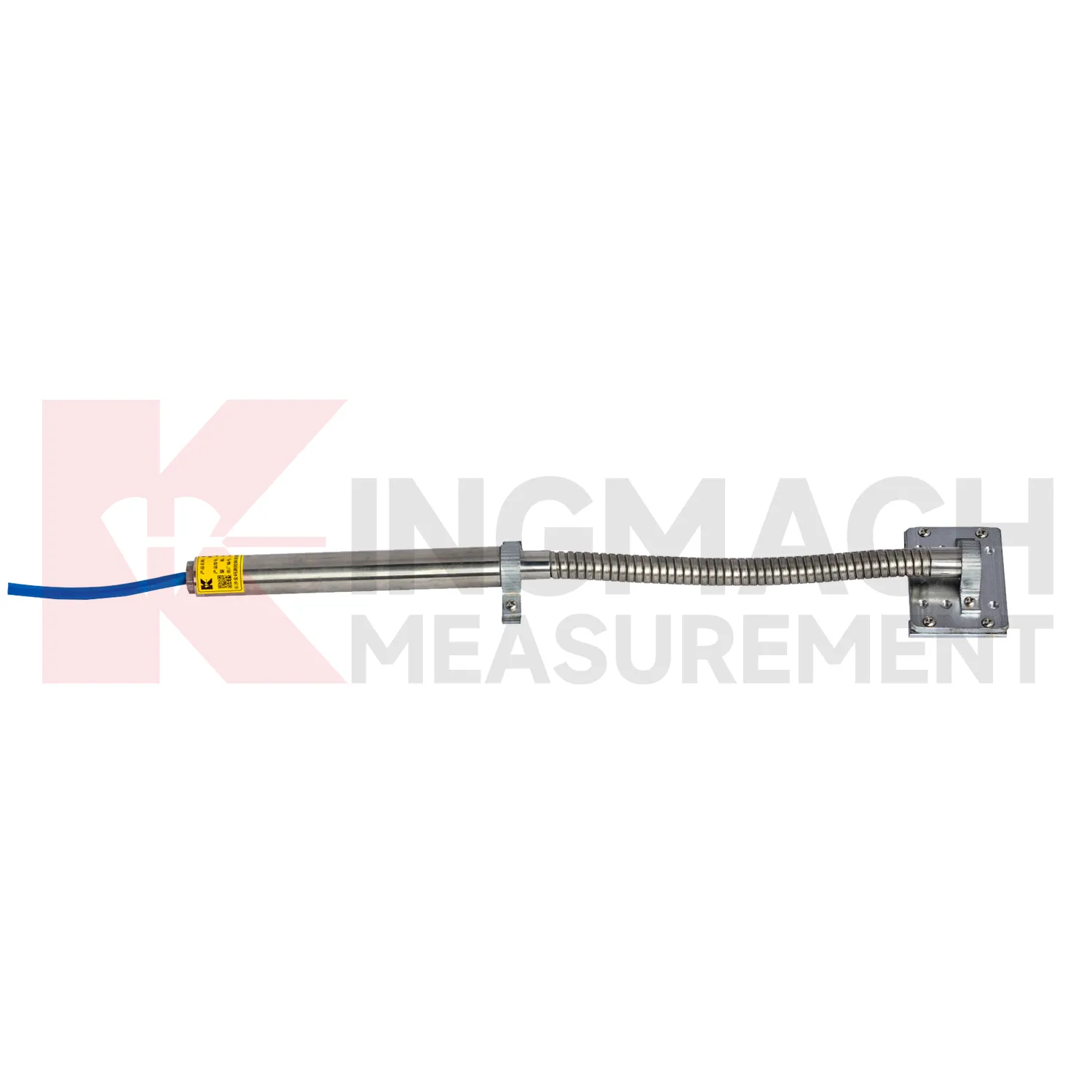
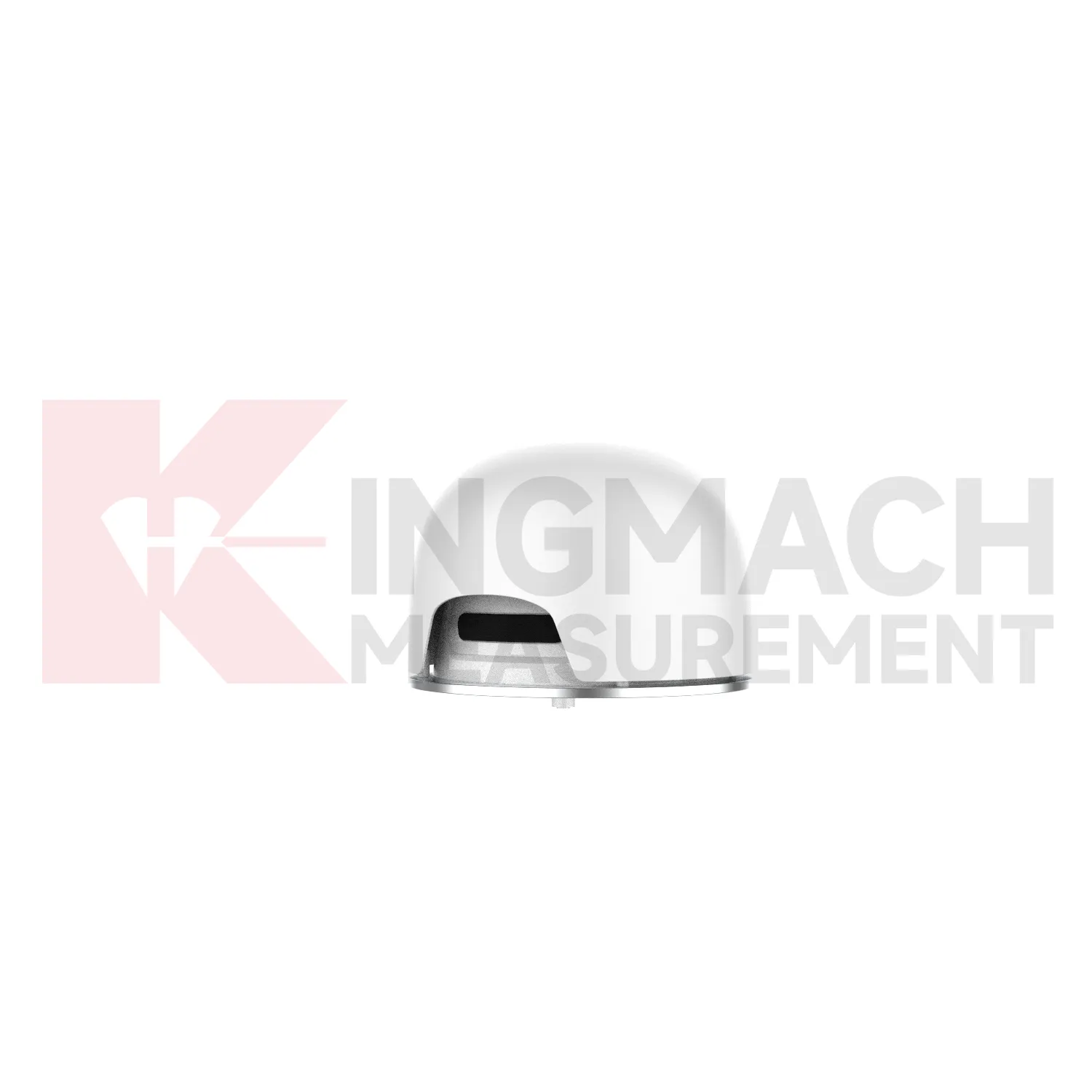
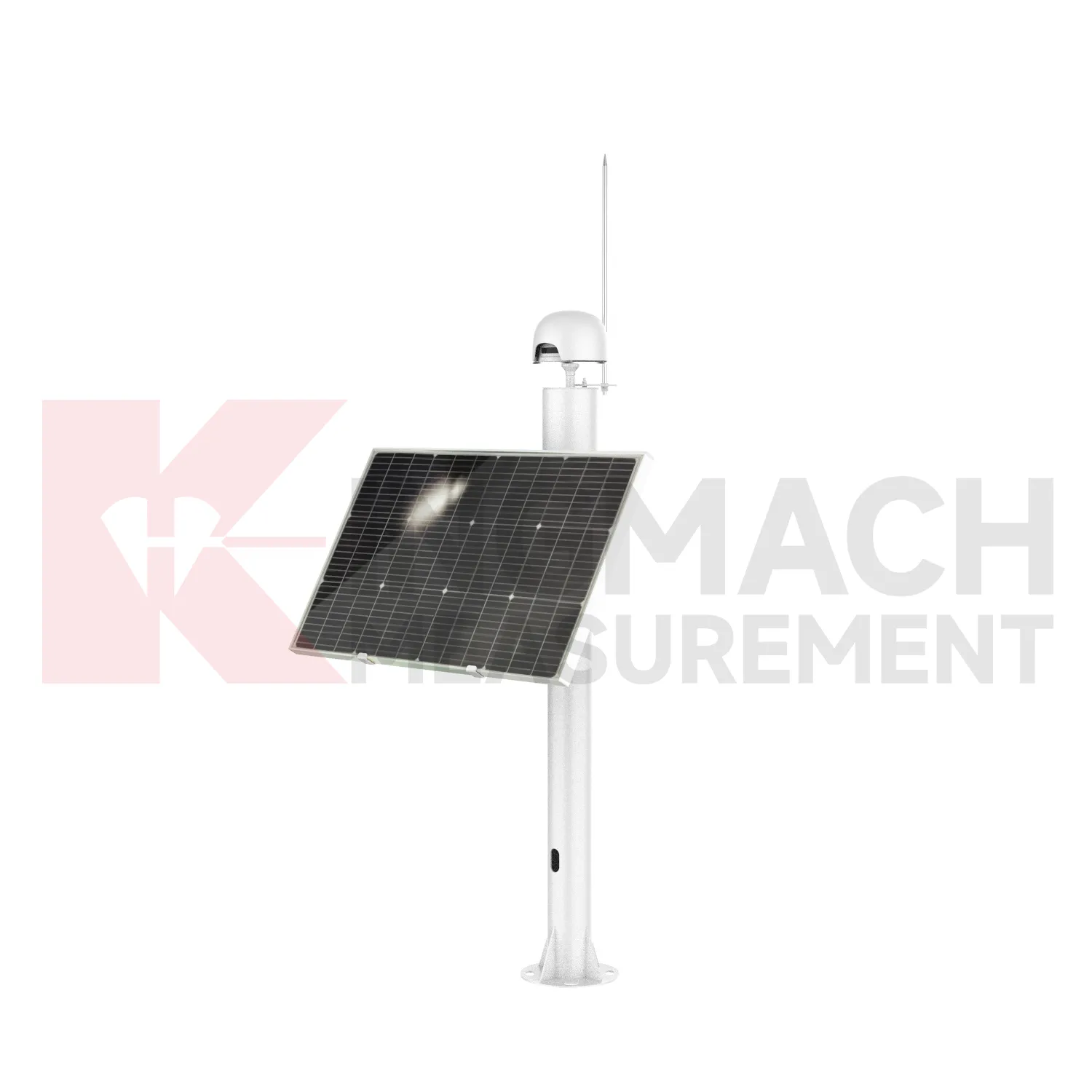
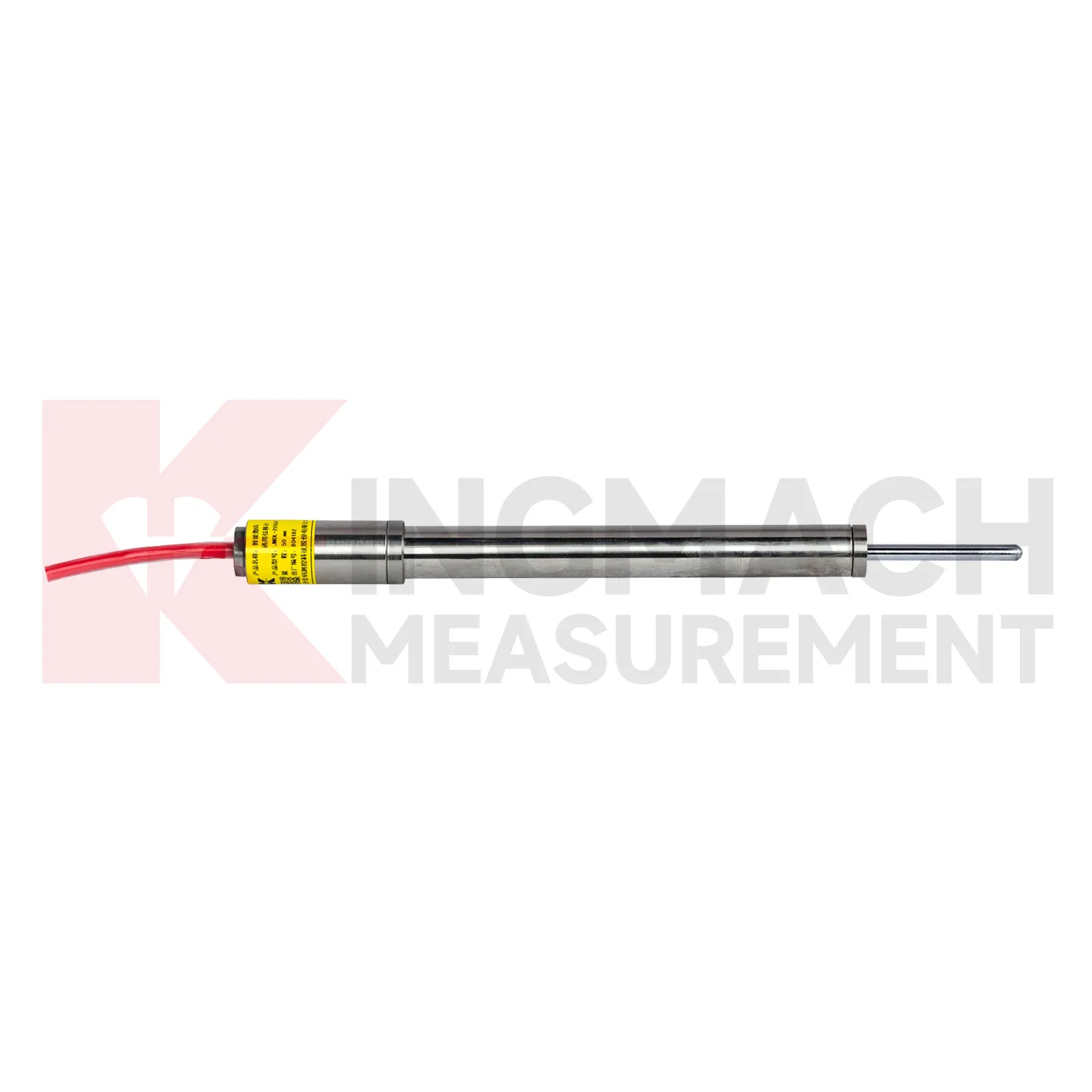
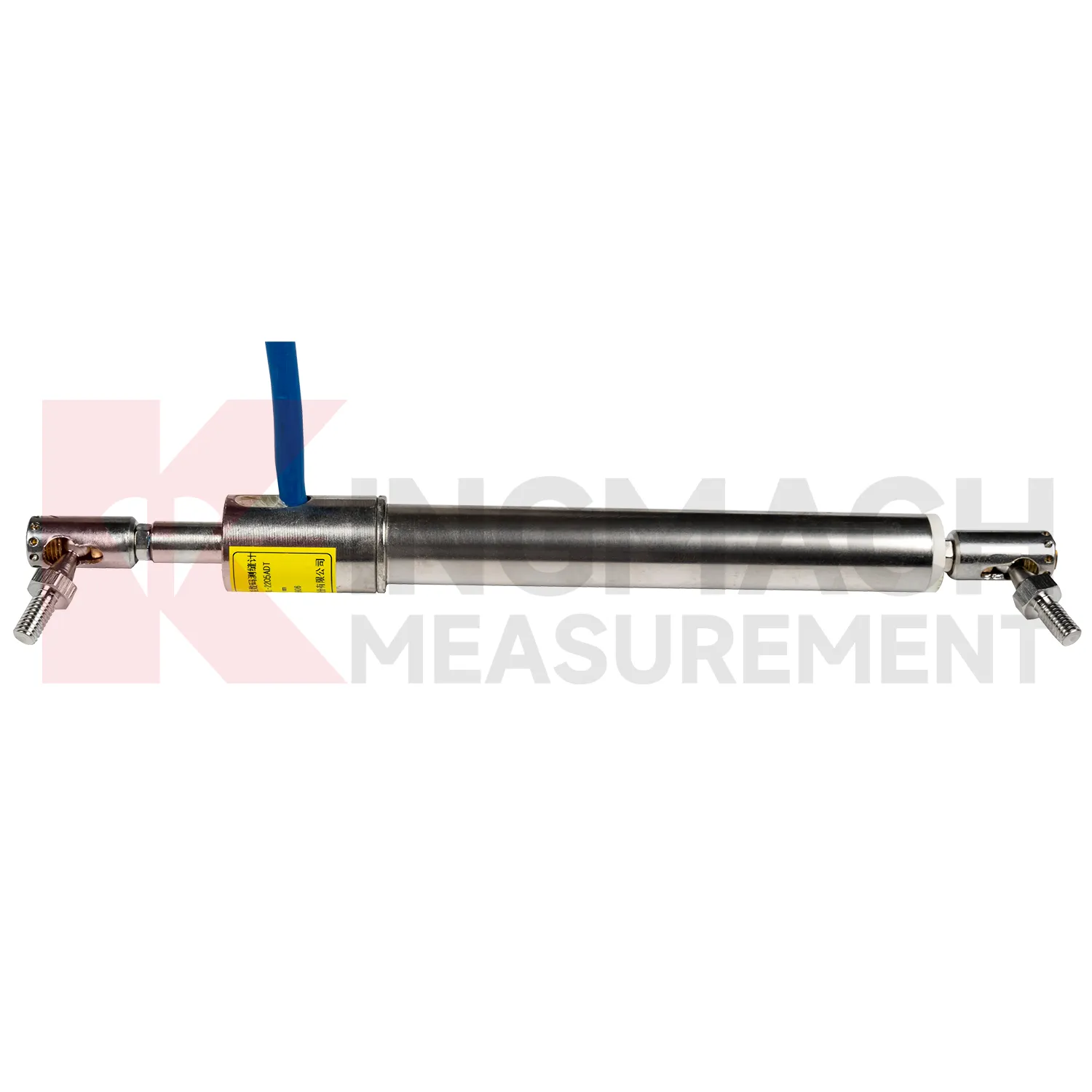
Kingmach linear displacement sensor include the JMDL-49XXAT Smart Formwork Displacement Meter, also described as a steel wire displacement meter for high-formwork support, horizontal movement of formwork steel pipes, slope sliding, bridge abutments, tunnel portals, dams, and railway subgrades. Listed ranges include 50 mm, 100 mm, and 200 mm, with 0.01 mm sensitivity and 0.5%FS accuracy. The product uses patented inductive magnetic flux modulation technology, non-contact measurement, 20-point calibration curve correction, a built-in memory chip, and digital detection. It stores model, serial number, calibration coefficients, time, temperature, displacement values, and other records, with up to 600 stored data sets. The construction-grade details are important: product information lists IP68 protection, a 30-year service life, and a temperature range from -40 degrees Celsius to +100 degrees Celsius with plus or minus 0.5 degrees Celsius temperature accuracy. These features make it suitable for wet, dusty, and high-load construction environments. During project setup, the measuring point should be matched with the expected travel direction, available mounting space, cable route, and required acquisition interval. This prevents a short-range joint instrument from being used on a long-travel point, or an exposed sensor from being placed where an embedded anchor is needed. It also helps the monitoring team set a baseline that can be defended during acceptance and later maintenance review.
Application of linear displacement sensor
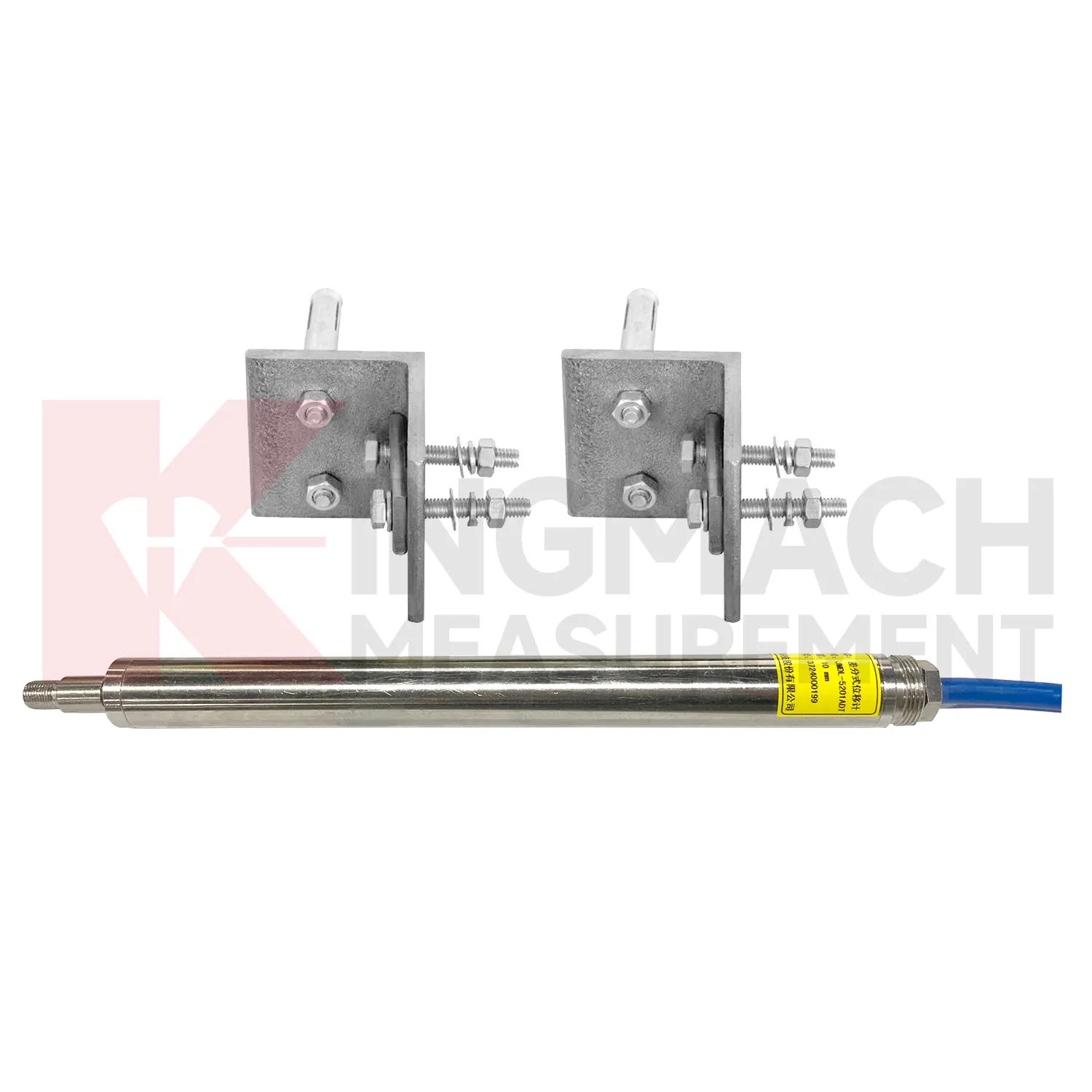
In foundation pit and deep excavation projects, linear displacement sensor are used to watch retaining walls, soldier piles, soil nails, nearby pavements, basement walls, and adjacent structures as excavation stages remove support from the ground. The main site concern is not only how far one point moves, but whether movement grows after each excavation layer, support installation, dewatering step, or backfill stage. Kingmach JMDL-32XXAT single-point bedrock meters can measure embedded displacement at a selected reference layer, while JMDL-22XXAT crack gauges follow opening at nearby structures or retaining elements. JMDL-52XXADT differential meters provide high-resolution relative movement at joints or structural interfaces, and JMLS-22XXADT wire rope sensors can cover longer exposed paths where access is available. A useful pit monitoring plan records excavation depth, support timing, groundwater level, construction vibration, and surrounding building observations beside each displacement curve. This helps engineers distinguish bracket disturbance from real ground movement, and it supports faster decisions when a wall, road edge, or adjacent building begins to respond to excavation. During review, the same point should be compared with nearby settlement, tilt, support force, groundwater, and inspection notes so the movement is interpreted as part of the excavation behavior rather than as a single isolated value. during maintenance.
The future of linear displacement sensor
The future of linear displacement sensor in infrastructure will depend on better integration with digital twins and asset management records. A displacement reading becomes more useful when it is tied to a drawing location, construction stage, material zone, inspection photo, and repair history. Kingmach products such as JMDL-31XXAT multipoint meters and JMDL-32XXAT bedrock meters can represent movement at depth, while JMDL-52XXADT differential meters and JMDL-22XXAT crack gauges represent surface or joint movement. Future platforms can map these readings onto tunnel sections, dam galleries, bridge joints, or slope profiles, allowing engineers to see where deformation is growing. This is especially useful when movement is small but repeated. A millimeter trend may not seem urgent in one report, but over months it may show a clear relationship with rainfall, traffic, excavation, or water level. The strongest systems will still depend on careful installation, because digital tools cannot correct a loose bracket, wrong range, or poorly recorded baseline. Clear reporting will make displacement monitoring more useful for non-specialist decision makers while preserving the detail engineers need.
Care & Maintenance of linear displacement sensor
Care for linear displacement sensor starts with selecting the correct range before installation. A 20 mm or 50 mm joint sensor cannot replace a 1000 mm draw-wire sensor, and an embedded rock displacement meter cannot be treated like a surface crack gauge. Confirm model, range, resolution, accuracy, mounting accessories, cable length, power supply, output type, waterproof rating, and acquisition method before the instrument is shipped to site. For Kingmach products, check whether the selected model is JMDL-21XXAT, JMDL-22XXAT, JMDL-24XXAT, JMDL-31XXAT, JMDL-32XXAT, JMDL-49XXAT, JMDL-52XXADT, JMCW-21XXADT, or JMLS-22XXADT. During installation, record the zero reading only after brackets, anchors, measuring rods, cable pulls, or grouted points are stable. A rushed baseline can make every later reading harder to interpret, even when the sensor itself is working correctly. Keep the installation photo, point number, zero value, and expected movement direction with the commissioning record for later review. If a reading changes after maintenance work, inspect the base, anchor, cable, and cabinet before assuming the structure itself has moved.
Kingmach linear displacement sensor
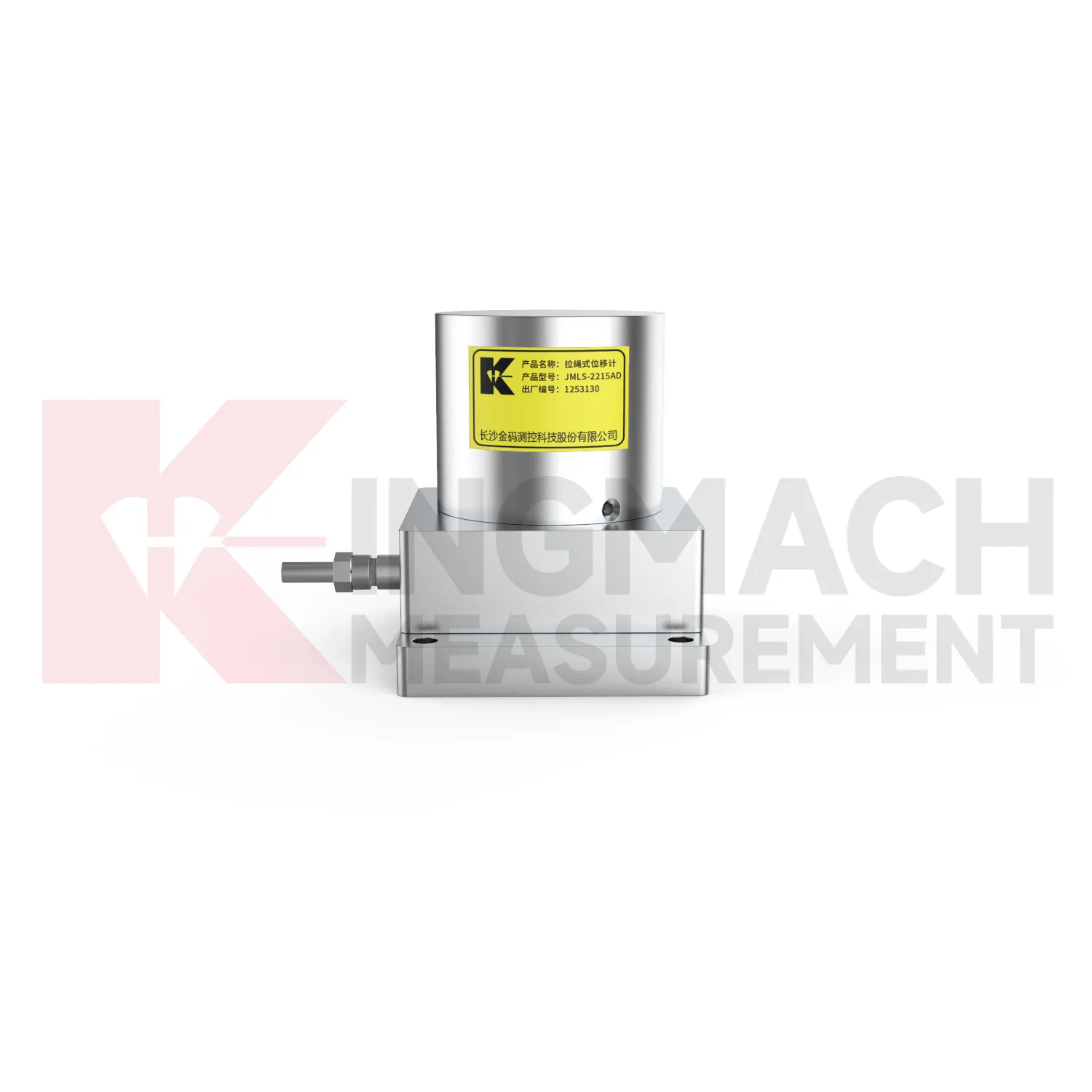
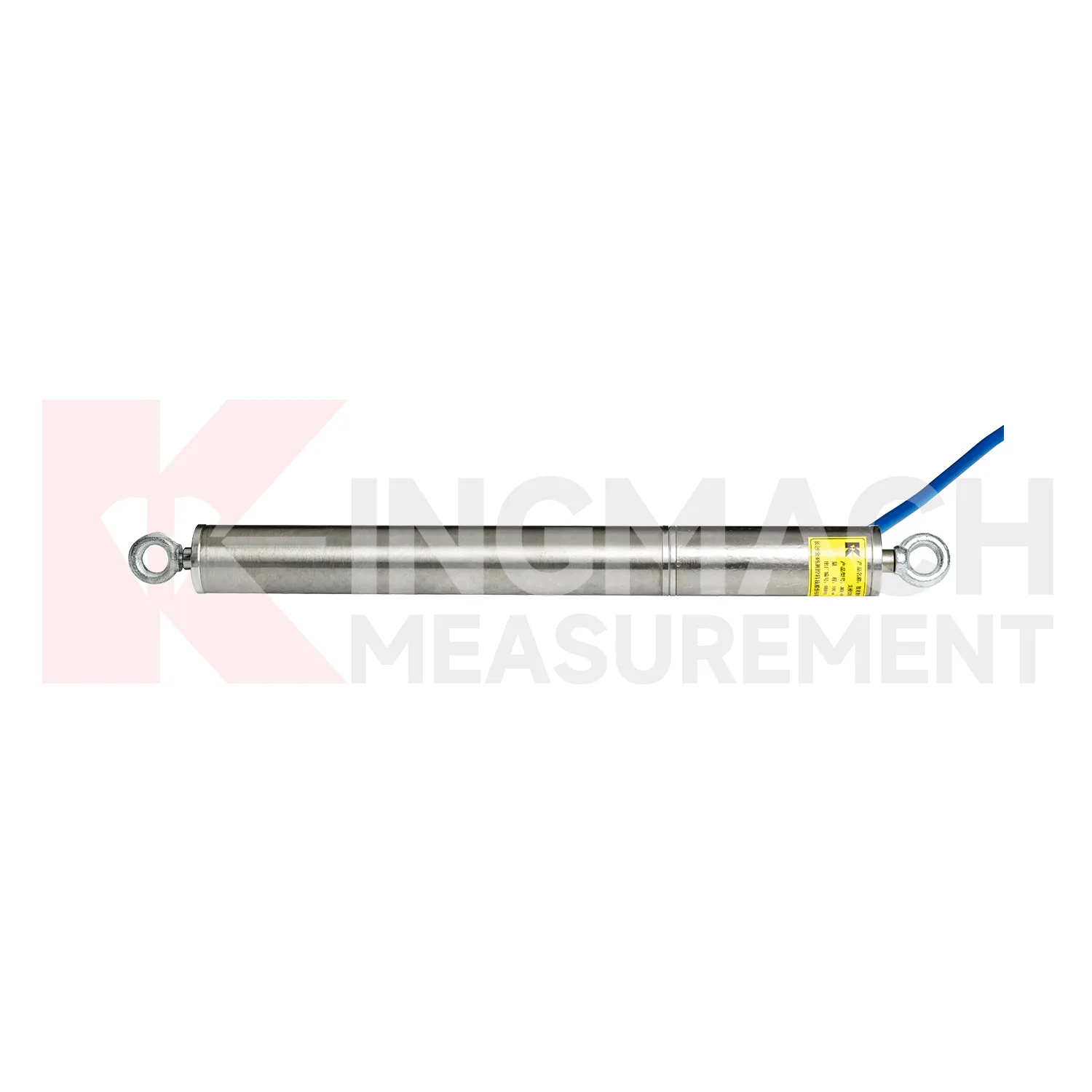
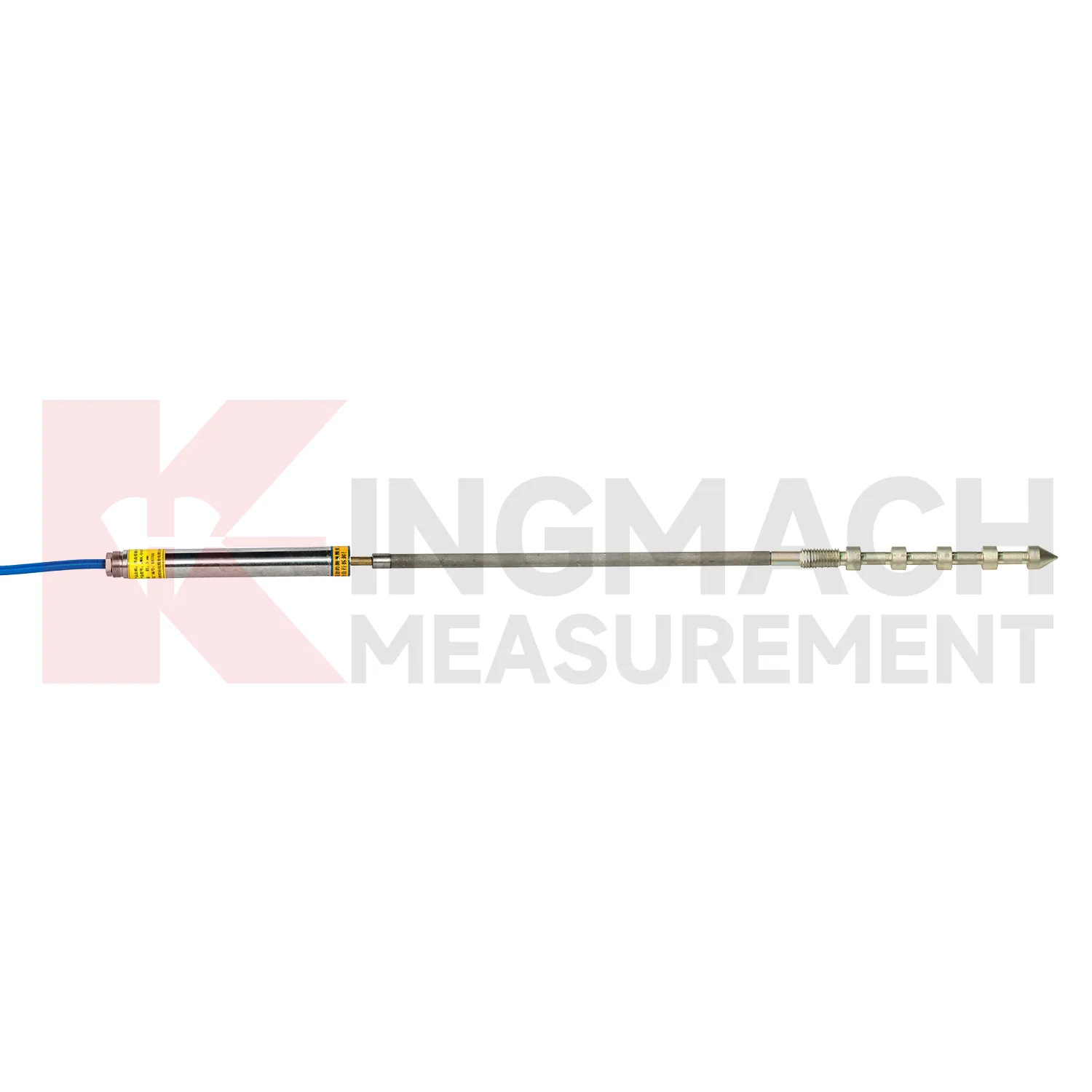
When a monitoring plan is built around linear displacement sensor, the first question should be the engineering decision behind the reading. If the purpose is crack control, the JMDL-22XXAT series focuses on crack width, joints, and expansion joints. If the purpose is rock layer movement, the JMDL-31XXAT multipoint meter anchors several depths and separates displacement by layer. If the purpose is bedrock or slope face movement, the JMDL-32XXAT embedded single-point meter uses an anchor head, tie rod, flange, and PVC pipe assembly. If the purpose is large travel or equipment position, the JMLS-22XXADT wire rope sensor and JMCW-21XXADT magnetostrictive meter provide longer range options. Kingmach's category is therefore a toolbox for movement diagnosis, not one product renamed many times. That distinction helps engineers set warning values that match the structure being observed. The point should be named on the drawing, linked with its cable route, and checked against the expected movement direction before the first automatic reading is accepted. For daily review, the reading should be compared with nearby points, recent weather, site operations, and any loading event that could explain the movement.
FAQ
Q: Which linear displacement sensor fit crack monitoring?
A: The JMDL-22XXAT Smart Crack Gauge is designed for cracks, joints, and expansion joints in bridges, buildings, roads, railways, dams, tunnels, and slopes.
Q: What ranges does the crack gauge list?
A: Listed models include 20 mm, 50 mm, 100 mm, and 200 mm ranges, with 0.01 mm resolution on the 20 mm to 100 mm versions and 0.05 mm on the 200 mm version.
Q: How many records can the crack gauge store?
A: Product information states that it can save up to 600 measurement results, including time, temperature for temperature versions, displacement values, and zero-point value.
Q: What installation details matter most?
A: Base stability, rod alignment, connector sealing, cable protection, and a clear zero reading matter more than a polished-looking installation.
Q: Can it be used for long-term observation?
A: Yes. The product is described for long-term monitoring, especially where crack width changes need stable and repeatable measurement.
Reviews
Daniel Brown
Excellent environmental monitoring sensors. The data is consistent, and the system integrates smoothly with our existing setup.
Matthew Garcia
Instrumentation cables are durable and perform well even in harsh environments. Will definitely order again.
Latest Inquiries
To protect the privacy of our buyers, only public service email domains like Gmail, Yahoo, and MSN will be displayed. Additionally, only a limited portion of the inquiry content will be shown.
Olivia***@gmail.comUnited States
Hello, we are currently sourcing high-precision strain gauges and load cells for a bridge monitoring...
Harper***@gmail.comIndia
Dear Sir, we are planning to procure a complete monitoring system including strain gauges, tiltmeter...
Related product categories
- Flexible Displacement Meter
- Multi-point Displacement Meter
- Single-point Displacement Meter
- Smart General-Purpose Displacement Meter
- Smart Flexible Displacement Meter
- Magnetostrictive Displacement Meter
- Smart Formwork Displacement / Steel Wire Displacement Meter
- Smart Multipoint Displacement Meter
- Smart Single-Point /Bedrock Displacement Meter
- Omnidirectional Displacement Meter
- displacement transducer
- displacement transducers